What are the effects and functions of cassia seeds
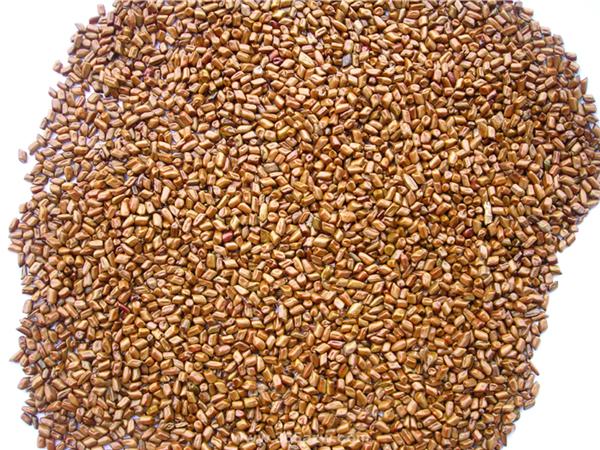
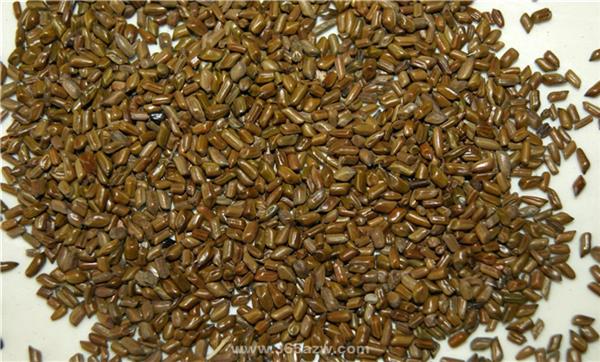
Cassia seeds are a kind of Chinese herbal medicine. The Chinese medicine cassia seed, also called cao jue ming, huan tong zi, gou shi dou, jia lv dou, ma ti zi, qian li guang, is the mature seed of the leguminous herb cassia or small cassia. It tastes bitter and sweet, and its nature is calming. It has the functions of clearing liver fire, dispelling wind-dampness, benefiting the kidneys and improving eyesight; so, what is cassia seed like? What effects and functions does it have?
Nutritional value of cassia seeds
In addition to containing carbohydrates, protein and fat, cassia seeds also contain steroid compounds, chrysophanol, emodin, aloe-emodin, rhein, emodin glucoside, emodin anthrone, emodin methyl ether, cassiaside, aurantio-obtusin, etc., as well as Fusarium neocosmosporiellum, rose pigment, cassia pine and cassia lactone; they also contain the trace elements essential to the human body, such as iron, zinc, manganese, copper, nickel, cobalt and molybdenum.
The emodin and rhein they contain have antiasthmatic, cholagogic, liver-protecting and blood pressure-lowering effects on the human body, and also have a certain antibacterial and anti-inflammatory action. Among them, emodin glucoside, emodin anthrone and emodin methyl ether have the effect of lowering serum cholesterol and strengthening the heart. Obtusin has an a-hydroxy group and can form complexes with metal elements, which has a great influence on the absorption of metal elements.
In modern clinical practice, cassia seeds are used to treat hyperlipidemia with satisfactory results, taken as a water decoction or made into tablets. Among the people, cassia seeds are often fried until yellow and ground into powder, then brewed as a tea, which has a health-care function of preventing and treating diseases. It promotes gastrointestinal peristalsis, clears retained stool in the body, and lowers blood lipids and blood pressure.
Effects and functions of cassia seeds
Cassia seeds are an important medicine in traditional Chinese ophthalmology, suitable for symptoms such as red, painful and gritty eyes, photophobia and excessive tearing caused by liver heat or wind-heat in the liver meridian. They can be decocted alone, or used in combination with Prunella vulgaris, mulberry leaf, chrysanthemum and the like. Famous ophthalmological formulas such as Cassia Seed Pill and Cassia Seed Powder can be found in prescription books of past dynasties. Cassia seeds also have a laxative effect, extremely suitable for heat-type constipation and yin deficiency with intestinal dryness in the elderly, and are praised for purging without damaging healthy qi. For symptoms such as headache and dizziness caused by hyperactivity of liver yang, cassia seeds combined with chrysanthemum, gambir and the like also have the effect of calming the liver and lowering blood pressure.
A long-lived elder skilled in health preservation once wrote a poem: "The foolish old man of eighty still keeps his eyes open, reading tiny characters by day and stargazing by night. It is not that he was born with good eyesight, but only that he has taken cassia seeds year after year." Lightly fried cassia seeds soaked as a tea are a convenient health-care recipe for the elderly. Put 10g to 20g in a cup, soak in boiling water; the color is yellow, the fragrance is fresh, and the taste is sweet-bitter with a distinctive flavor. People with hypertension and habitual constipation might as well give it a try. A cup of cassia seed tea may bring you health and happiness. But because its nature and flavor are slightly cold, those with weak spleen and stomach should not take it for a long time.
The Song Dynasty writer Huang Tingjian once wrote in a poem: "The pillow sack replaces the bent arm, sweet sleep listening to the fragrance. Old eyes still have willing power left, reading books has truly become a habit." What the poet highly praised is the effect of cassia seed pillows in clearing heat, calming the spirit, improving eyesight and aiding sleep.
The Tang Dynasty work Da Ming Ben Cao says: "Made into a pillow, it treats head wind and improves eyesight, better than black beans." Making a medicinal pillow from cassia seeds mixed with chrysanthemum, moderately soft and firm, clears the head and eyes, and is one of the external treatment methods of traditional Chinese medicine. A bag of medicinal pillow accompanies a person in peaceful sleep and sweet rest, gladly entering dreams.
The Qing Dynasty work Guang Qun Fang Pu says: "For use as ru and for tea food, the seedlings and leaves can be made into wine yeast." Ru is a general term for vegetables. The tender seedlings, flowers and leaves, and tender fruits of cao jue ming can all be eaten. Its leaves are extremely fragrant after being roasted over fire; "tea food" refers to making "cooked water," a kind of health beverage that began to be popular in the Song Dynasty.
Side effects of cassia seeds
Cassia seeds are slightly cold in nature, so people who are prone to diarrhea, loose stools or stomach pain should not drink this tea. It should be noted that those with diarrhea and low blood pressure should use cassia seed preparations with caution. Its side effect of "promoting purgation" must be taken seriously by pregnant women; the latest research found that long-term consumption may, at best, cause irregular menstruation, and at worst, make the endometrium abnormal, thereby inducing premature birth.
If you read in a book or heard from others that cassia seeds can treat myopia, then you are badly mistaken. This medicine, cassia seed, does indeed have the effect of clearing the liver and improving eyesight, so it is relatively suitable for those with heavy liver fire or heat signs, but it absolutely must not be taken by those without obvious heat signs and with loose, soft stools. There are many medicines in Chinese medicine that can improve eyesight, such as Plantago seed, goji berry, Dendrobium, dodder seed, mother-of-pearl, chrysanthemum, cicada slough, abalone shell, Tribulus fruit, ash bark, and countless others. The specific use of medicine must be combined with traditional Chinese medicine syndrome differentiation, and must not be used blindly; this is the biggest difference between using Chinese medicine and using Western medicine.
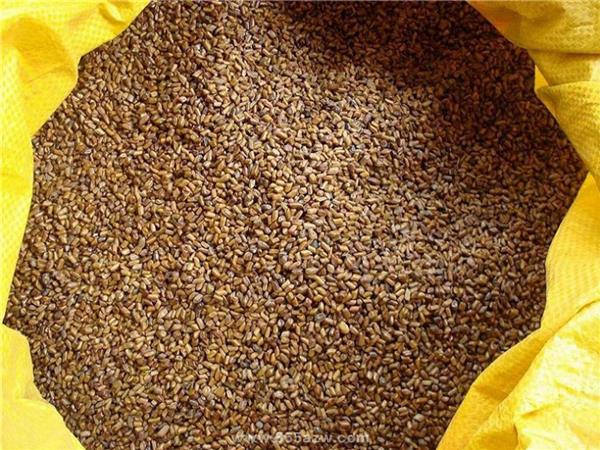
The biggest side effect of cassia seeds (cao jue ming) may be loosening the bowels and lubricating the intestines. Generally there will be no other problems, but those with qi deficiency and loose stools should not use it. This medicine does indeed have a fairly good weight-loss effect, and it can also be combined with raw hawthorn to enhance the weight-loss power, which is also very good.
The above is what we have explained to everyone about the effects and functions of cassia seeds. We hope it can be of help to everyone.