What are the cucumber cultivation techniques and its effects and functions?
Cucumber, also known as huanggua or qinggua, is an annual trailing or climbing herbaceous plant of the Cucurbitaceae family. It is widely distributed throughout China and is one of the main greenhouse products. So, what are the cultivation techniques for cucumber? What are its effects and functions?
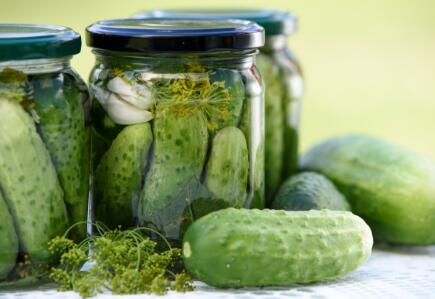
I. Cultivation techniques
1. Land preparation
Apply 5 cubic meters of decomposed organic fertilizer, 25-30 kg of superphosphate or 10-15 kg of diammonium phosphate (5-5 kg of superphosphate per cubic meter, 2-3 kg of diammonium phosphate per cubic meter). Before planting, plow and make beds, with a bed width of 1.2 m and a height of more than 15 cm, and cover with plastic film.
2. Planting
Determining the planting time: plant as early as possible on the premise that the plants will not be damaged by frost after planting. In the Chengde area, planting is generally done in late April to early May. Temperature requirements: the minimum night temperature should be above 5°C, and the soil temperature at 0-10 cm should be above 12°C. For autumn open-field cucumbers, direct seeding is used.
Planting density: 4000-4500 plants/mu, planted in wide and narrow rows, with a narrow row spacing of 40 cm, a wide row spacing of 80 cm, and a plant spacing of 25-30 cm. Use the dark-water method for planting.
3. Management
Trellising. Set up the trellis as early as possible after planting to prevent wind damage and stretching of the seedlings. A flower-frame or A-shaped trellis can be used, placed about 8-10 cm from the roots.
Tying the vines. Use the “8” method to tie the vines, preventing abrasion of the stems and vines and preventing the vines from drooping. Tie every 2-3 nodes, and do it in the afternoon; the stems and vines are easily broken in the morning. The tightness of tying should suppress the strong and support the weak; for plants with strong growth vigor, tie them appropriately tighter and keep the growing points at a uniform height.
Pruning and pinching. For varieties that bear fruit on the main vine, remove all side branches. For varieties that bear fruit on side vines, after fruit set, leave one to two leaves and pinch off the tips, and remove all tendrils. When the stem exceeds the top of the trellis, pinch off the tip in time to promote the growth of the lower fruits. The method of twisting the tip can also be used to inhibit upper growth.
Fertilizer and water management. Water and hoe in time; the amount and frequency of water depend on the weather and growth stage. Water to help the seedlings recover 5-7 days after planting; control water, hoe, and harden the seedlings before fruit set; when the root cucumber is 10-12 cm long, water to promote fruit growth; during the fruiting period, water every 5-7 days. The principle of topdressing is light first and heavy later, with small amounts applied multiple times. Apply fruit-promoting fertilizer after the root cucumber has set, and apply fertilizer for the peak fruiting period after the root cucumber is harvested. The use of organic fertilizer for topdressing is advocated.
II. Effects and functions
Cool in nature, sweet in taste, slightly toxic; enters the lung, stomach, and large intestine meridians. Clears heat and promotes diuresis, resolves toxins and reduces swelling, promotes fluid production and quenches thirst. It mainly treats conditions such as body heat and polydipsia, sore throat, wind-heat eye diseases, damp-heat jaundice, and difficult urination.
1. Anti-tumor
Cucurbitacin C contained in cucumber has the effect of improving human immune function, thereby achieving an anti-tumor purpose. In addition, this substance can also treat chronic hepatitis and persistent hepatitis, and has the effect of prolonging survival in patients with primary liver cancer.
2. Anti-aging
Cucumber is rich in vitamin E, which can play a role in prolonging life and resisting aging; the cucumber enzyme in cucumber has strong biological activity and can effectively promote the body's metabolism. Applying mashed cucumber juice to the skin has the effect of moisturizing the skin and smoothing wrinkles.
3. Preventing alcohol poisoning
The alanine, arginine, and glutamine contained in cucumber have a certain auxiliary therapeutic effect on liver patients, especially patients with alcoholic cirrhosis, and can prevent and treat alcohol poisoning.
4. Lowering blood sugar
The glucoside, fructose, and other substances contained in cucumber do not participate in normal sugar metabolism, so when diabetic patients use cucumber instead of starchy foods to satisfy hunger, blood sugar will not rise, and may even decrease.
5. Weight loss and body strengthening
The tartronic acid contained in cucumber can inhibit the conversion of carbohydrates into fat. In addition, the cellulose in cucumber has a certain effect on promoting the excretion of putrefactive substances in the human intestines and lowering cholesterol, and can strengthen the body.
6. Brain health and calming the nerves
Cucumber contains vitamin B1, which is beneficial for improving the function of the brain and nervous system, can calm the nerves and stabilize the mind, and can assist in treating insomnia.