-
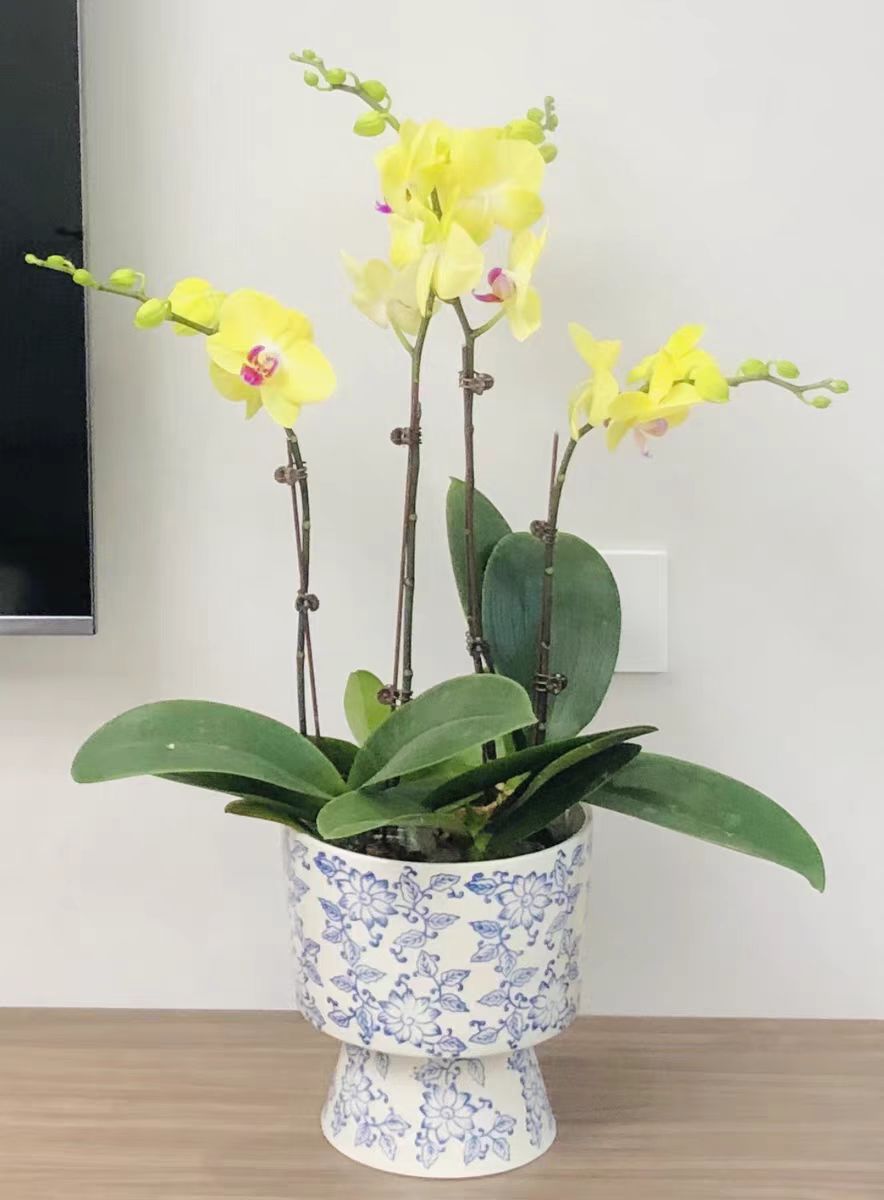
What to Do When Phalaenopsis Suffers from Waterlogging and Root Rot?
As a tropical orchid, Phalaenopsis often encounters the troublesome issue of waterlogging and root rot during the maintenance process. The following will
-

How to plant a multi-plant Phalaenopsis arrangement? Methods to prevent root rot from poor air circulation
Planting several phalaenopsis orchids or several clusters together not only creates a potted display with rich layers and vivid colors, but also adds to the joy of growing flowers. However, combined planting also requires attention to some issues, especially how to prevent root rot caused by poor air circulation. Steps for planting multiple phalaenopsis plants/clusters together: Selecting flowers
-

Will a Phalaenopsis die from over-fertilizing? Here's how to correctly remedy it
In the process of caring for Phalaenopsis orchids, improper fertilizing often becomes an "invisible killer" affecting the plant's healthy growth. Over-fertilizing in particular can very likely cause fatal damage to the Phalaenopsis. Will a Phalaenopsis really die from over-fertilizing? And if over-fertilizing unfortunately happens, how should we deal with it? The dangers of over-fertilizing to Phalaenopsis
-

How do you rescue a Phalaenopsis orchid whose roots have rotted from overwatering?
During routine care of Phalaenopsis orchids, improper watering, especially overwatering, can easily cause the roots to rot, which in turn affects their growth and blooming. What are the ways to rescue a Phalaenopsis orchid whose roots have rotted from overwatering? First, when you find that a Phalaenopsis orchid has been overwatered, you need to immediately observe its growth
-

Can Phalaenopsis orchids die from sun exposure?
During the process of caring for Phalaenopsis orchids, many flower enthusiasts often encounter a difficult problem: What is the impact of sun exposure on
-

Colchicum potted planting method and the harm to people from eating too much of it
Today I recommend a flower with a super strong autumn feel, and that is colchicum. Its floral characteristic is that the flower has no leaves, the flowers bloom in autumn, it goes dormant in winter, and the leaves grow out in spring. The flowering period is generally concentrated in autumn, and the flower colors are mostly light pink or purplish red. Colchicum is a wild flower native to Europe and belongs to the genus Colchicum in the lily family.
-

Is the elephant ear taro poisonous, and how is it different from Alocasia macrorrhizos (giant taro)?
Elephant ear taro, also known as taro or giant upland taro, is indeed poisonous. The whole plant contains strong toxins, especially the underground stem, where the toxicity is particularly intense. The alkaloid substances contained in elephant ear taro are the main source of its toxicity; these substances can bind to nerve cells in the body, interfere with the normal function of the nervous system, and then produce a
-

Growing potted plants from fruit seeds: which ones can bear fruit?
As the quality of life in every household improves, many people make a point of eating a piece of fruit every day, and it turns out that the seeds of many fruits can be used for planting after the fruit is eaten. When planting, you just need to casually toss them into a water flower pot, and after about ten days they will take root, sprout and grow into green plants, which is very interesting. Doing this also saves money on buying flowers
-

How to tell if a Phalaenopsis orchid has cold damage from low temperatures, and can it still survive after being frozen?
As an elegant ornamental flower, the cold winter weather poses a major challenge to the growth of Phalaenopsis orchids. So how do you tell whether a Phalaenopsis orchid has suffered low-temperature cold damage, and what are the treatment methods and survival chances after freezing? In a low-temperature environment, both the leaves and flowers of Phalaenopsis orchids may show obvious symptoms of cold damage.
-

Which flowers have super-long bloom periods? Recommendations for flowers that bloom from autumn to summer
As the autumn breeze gently blows, the leaves gradually turn yellow, and nature seems to enter a slumber. Yet in this quiet season, some flowers still quietly bloom, flowering from autumn all the way to summer, adding a touch of bright color to our lives. Campanula punctata: Campanula punctata belongs to the genus Campanula in the family Campanulaceae, and its name
条件筛选