-
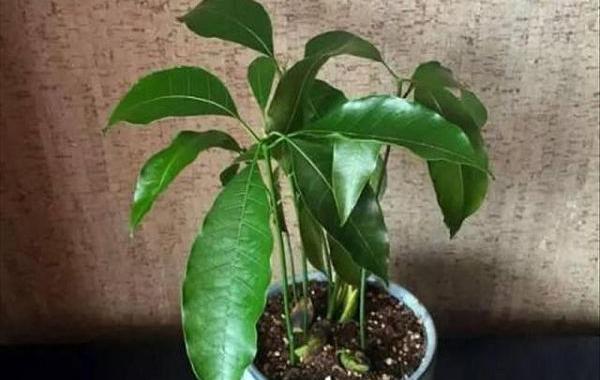
With simple treatment, leftover fruit seeds can grow into fresh, natural potted plants
Give the leftover fruit seeds a simple treatment, and they can grow into fresh, natural potted plants
-

How to process freshly picked Rosa laevigata (Cherokee rose) fruit? A detailed processing method guide
How should freshly picked Rosa laevigata fruit be processed? Processing methods
-

Detailed Explanation of Key Points of Lily Bulb Storage and Fresh-Keeping Techniques
I. Choose storage-tolerant varieties. China is the country of origin for lilies, with many cultivated types and varieties. The main ones include Longya lily, Chuan lily, and tiger lily (Lilium lancifolium) and other variants. Among them, the Chuan lily, which is white, flat-spherical, tightly clustered, large, and sweet-tasting, has good quality and stores well. Lilies are generally harvested in early November, mostly by digging out the bulbs with a spade, promptly removing the stems and soil, and cutting off the fibrous roots. Newly dug bulbs must not be exposed to wind and sun in the field, to prevent the outer scales from discoloring and losing water. II. Pre-cool and select the bulbs. After harvest, lilies should be promptly transported to a shady place and evenly
-
How to Store and Keep Lilies Fresh? A Full Breakdown of the Key Techniques
Lilies prefer warmth and are sensitive to cold; after being exposed to wind, the scales turn red and shrivel. There are many storage methods, but the yellow sand burial method works especially well. The specific method is: build a burial pit indoors with bricks or cement, or use a wooden box, bamboo basket, or similar container; first spread a layer of yellow sand about 20 mm thick on the bottom of the container, then alternate one layer of lilies and one layer of yellow sand, piling up to about 50 mm below the container rim. Then cover with more yellow sand so the lilies are not exposed to the air. With this method, note that: the storage container should first be disinfected with a 0.
-
Lily storage and preservation methods to keep them fresh longer
Fresh lily is a health vegetable that has become popular in recent years. It is generally harvested from mid-August to early September, and in double-cropping rice areas it is mostly harvested in late July. Timely storage and preservation of lily after harvest can not only regulate market supply and demand, but also significantly increase the selling price and planting benefits of fresh lily. For example, in Xinshao County, Hunan Province, in mid-August 2005 (during the harvest period), the market price was 4.5-5.0 yuan/kg, while after storage and preservation until New Year's Day to Spring Festival the market price was 8.0-10.0 yuan/kg. Calculated at a loss rate of about 15%, storing 1 ton of fresh lily
-
Storage Methods for Fresh Bulbs of Lanzhou Lily
1. Short-term storage in plastic bags: Lanzhou lily is an excellent variety among lilies in China. If consumed within 50 days after harvest, the fresh bulbs can be directly placed into plastic bags, sealed, and kept in a cool place. In winter, the storage temperature should not be lower than 0°C, and they can be taken out as needed. 2. Cellar storage method: Choose various earthen cellars such as sweet potato cellars. First, clean out the cellar thoroughly, shovel off a layer of old soil, fumigate with sulfur for 1-2 hours or spray with fungicide for disinfection. Sun-dry the dug-out fresh lily bulbs on a sunny day for 6-8 hours, then remove the soil clumps from the bulbs,
-
Sand storage method for lilies delivers good results in preserving freshness and increasing value
Lily is a medicinal and edible health product, with the effects of moistening the lungs and stopping coughs, and clearing the heart and calming the mind. In recent years, more and more people are eating lilies, and the fresh product sells very well. However, because the lily harvesting period is in early to mid-August, when temperatures are high, the newly harvested fresh product has a high moisture content and vigorous respiration, and if not stored well it very easily becomes moldy and rotten. Here is a method for storing lilies with fine sand, which can keep lilies fresh for more than half a year. During storage, not only can the fresh product maintain its original flavor, but it can also fetch a good price during festivals such as New Year's Day and Spring Festival. 1. Raw material before storage
-
Golden Pumpkin and Lily Soup recipe, sweet and refreshing, nutritious and delicious
Ingredients: 1000 g golden pumpkin, 200 g fresh lilies, 2500 g boiling water. Method: (1) Peel the golden pumpkin, remove the seeds and pulp, and cut into pieces. Add water to a pot, place over heat, add the pumpkin pieces, bring to a boil, then move to low heat and cook for about 15 minutes, then remove and set aside. (2) Strain the pumpkin through fine cheesecloth, blanch the fresh lilies briefly in water and cool them in cold water, then set aside. (3) Put the pumpkin juice back over heat for a second time,
-
Key Points and Detailed Methods for Lily Storage and Fresh-keeping Technology
Lilies prefer warmth and are afraid of cold; after being exposed to wind, the scales will turn red and shrivel. There are many storage methods, and the yellow sand burial method is especially effective. The specific method is: build a burial pit indoors with bricks or cement, or use wooden boxes, baskets, etc. as containers. First spread a layer of yellow sand about 20 mm thick on the bottom of the container, then place one layer of lilies and one layer of yellow sand, stacking to about 50 mm from the container opening. Then cover with yellow sand again so that the lilies are not exposed to the air. What should be noted with this method is: the containers used for storage should first be disinfected with 0
-
Harvesting and Fresh-keeping Methods for Cut Leaves of Japanese Spindle
[Other Chinese Names] Yagi, Dongqing Weimao, Fufangshu, Haiweimao, Huangzhualongshu, Jiaweimao, Maixiang, Japanese Euonymus, Sijiqing, Zhengmu [Family and Genus] Celastraceae, Euonymus [Place of Origin] Japan, China [Plant Characteristics] Japanese spindle is an evergreen shrub or small tree. The plant height can reach 8 m. The branchlets are green. The simple leaves are opposite, obovate or narrowly oblong, 3-6 cm long, with an acute or obtuse apex, a broad wedge-shaped base, and finely blunt-toothed margins, smooth, leathery. [Cut Leaf Harvesting] Harvested part
条件筛选