-
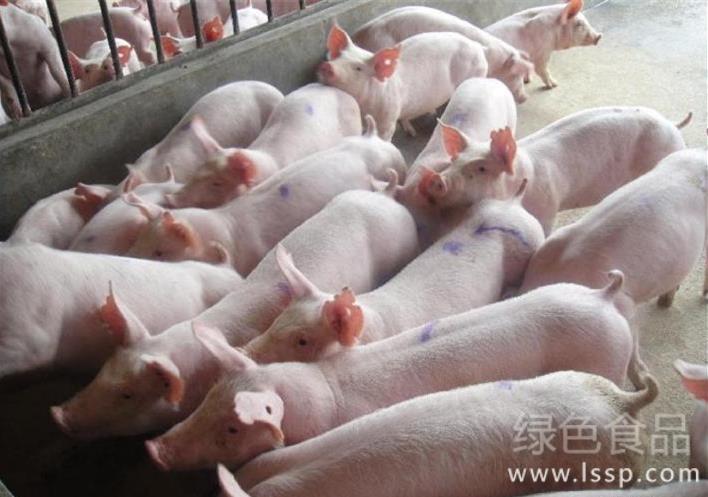
Sweet potatoes are nutritious, but they must be fed to pigs properly: four taboos to note
Though nutritious, sweet potatoes must be fed properly: four taboos when feeding sweet potatoes to pigs
-

Hele crab is one of the four famous dishes of Hainan.
Wanning Hele crab is one of the four famous dishes of Hainan. Crab is rich in nutrients, containing protein, fat, carbohydrates, ash, chitin, iron, aluminum, phosphorus and other components. It is an autumn delicacy. Crab is delicious and the meat is fresh, and the crab roe in particular has a unique flavor. It can be cooked fresh, soaked in wine, preserved in fermented rice, or salted. The most common way to eat river crab is: wash the crab, put it in a pot, add clean water, cooking wine and ginger and boil it until cooked, take it out, and dip it in a seasoning sauce made of vinegar, fine salt, soy sauce, sesame oil and shredded ginger. It is not only a famous dish, but its medicinal value should not be ignored. Special note:
-
Four major feed causes make chicken diarrhea difficult to prevent and control
1. Excessive salt content. To enhance appetite and prevent feather pecking, vent pecking and similar behaviors, too much salt is added to chicken feed, causing the chickens to drink excessively, which often leads to severe diarrhea. In addition, an excessive amount of fish meal or fish meal that itself contains a lot of salt can also easily lead to excessive salt content in the feed, causing diarrhea in laying hens. 2. Excessive limestone powder content. Adding too much limestone powder to the diet or increasing it too quickly will cause the blood calcium of laying hens to be too high, increase the burden on the kidneys, cause kidney swelling, and ultimately cause diarrhea. To meet
-
How to raise blue foxes? Master these four breeding techniques
This year, in Pulandian City, Liaoning Province, 10 specialized blue fox farming households averaged more than 8 cubs per litter, more than 40% higher than the local female foxes' litter size. In the survey, it was learned that skilled fox farmer Cai Yu achieved high results in mating rate, pregnancy rate, whelping rate, survival rate and economic benefit, with a cumulative average of 10.4 cubs per litter over 3 years. Because the blue foxes he raised were pure in breed and excellent in quality, his breeding foxes and fur sold well. His main experience consists of 4 techniques: introducing fine breeds. The breeding male and female foxes raised by Cai Yu were all purchased from the fur animal experimental breeding base of the Special Products Research Institute of the Chinese Academy of Agricultural Sciences in Zuojia, Jilin
-
What four diseases can pig bile treat? Detailed explanation of its effects and functions
1. Treating indigestion. Take one pig bile, 15 grams of mashed garlic, add some mung bean powder and mix evenly, make into pills the size of apricot kernels, feed each pig 2 times a day, 1 pill each time, 3 days as one course of treatment. 2. Treating gastroenteritis. Stuff soybeans into the pig bile, dry in the air, then take them out, feed each pig soybeans 2 times a day, 20-30 grams each time. 3. Treating pneumonia. Take one fresh pig bile, stuff crushed alum into the bile, filling it appropriately, dry in the air, then grind into powder for later use. For pigs over 50 kg, administer 9-12 grams
-
How to carry out field management of licorice? Four key points to master
Cultivation: Licorice seedlings grow slowly, and weeds have a relatively large impact on them. Cultivation should be combined with timely removal of weeds, with weeding 2-3 times in the same year. After the plants grow larger, weeds become fewer. Pay attention to pulling out weeds, and avoid hoeing the soil, so as not to damage new shoots sprouting from the rhizome. Topdressing: Licorice belongs to the legume family, and its root nodules have nitrogen-fixing ability, so nitrogen fertilizer is generally not applied, and phosphate fertilizer is mainly used for topdressing. After the aboveground parts of licorice wither in late autumn, 2000 kg of decomposed farmyard manure can be applied per mu to cover the ground, so as to increase ground temperature and soil fertility. Thinning: For direct-seeded seedlings of the same year, when they have 2-3 true
-
How to grow azaleas? Remember the four dos and four don'ts
Azalea, also known as yingshanhong, belongs to the genus Rhododendron in the family Ericaceae and is a typical acid-indicating plant. Because of its brilliant flower colors, unusual flower shapes, long flowering period and varied cultivars, it is often loved by people. However, improper management methods cause yellow leaves, few and pale flowers, and even death. Therefore, in routine care, special attention should be paid to the "four dos and four don'ts". 1. It prefers warmth and humidity, and should avoid blazing sun and excessive moisture. Azaleas grow best in a warm and humid environment. The potting soil should be kept moist, but not waterlogged, as waterlogging easily causes root rot and death. If watering with tap water, add an appropriate amount of edible vinegar or sulfur
-
Key Management Techniques for Jujube Orchards in Late Autumn and Early Winter (Part Four)
Step Four: Winter pruning. Pruning jujube trees can rationalize the tree structure, improve ventilation and light penetration conditions in the canopy and nutrient distribution within the tree, thereby achieving the goals of early fruiting, high yield, stable production, and high quality in jujube trees. Pruning jujube trees in the early fruiting stage: pruning at this stage should focus on thinning, renewal pruning, heading back, and training, carried out according to the "four keep, five remove" principle. The "four keep" means: keep peripheral jujube heads; keep jujube heads on scaffold branches; keep robust, well-developed jujube heads with growth potential; keep jujube heads with numerous secondary branches and fruiting spurs and strong fruiting capacity. The "five remove
-
Detailed Explanation of the Four-Harvest Cultivation Model: Rice, Cotton, Garlic, and Potato
The Gao'an Agricultural Technology Station in Fanchang County, Anhui Province, has promoted a three-dimensional cultivation model of four harvests per year: upland rice, cotton, green garlic, and potato. Per 667 sq m, it yields 213 kg of upland rice, 200.7 kg of seed cotton, 510 kg of green garlic, and 1,480 kg of potato, achieving good economic benefits. The cultivation model is as follows. I. Planting Method Each planting strip is 1 m wide. Cotton is grown in single-row ridges; cotton rows are ridged in single rows 50 cm wide, with 1 m between ridges, and a 50 cm wide bed surface is made between two ridges. Cot-
-
Four key points to ensure fish fatten up in autumn
A fishing proverb says: In summer they grow shells, in autumn they grow flesh. When autumn turns cool, it is the peak season for fish growth, and the following four points must be well managed: 1. Manage feeding and fertilizing well. Generally, from September to November, both the amount of fertilizer applied and the amount of feed given should account for about 30% of the total for the whole year. When applying organic fertilizer, apply small amounts multiple times to avoid excessive fertilization causing pond fish to gasp at the surface; when applying inorganic fertilizer, use 5-7.5 kg of ammonium bicarbonate per mu, or 2.5-3.5 kg of urea. After "White Dew," grass resources gradually
条件筛选