-

What are the key cultivation techniques for rice-following beans?
Rice-following bean cultivation is a method in which, after the autumn rice harvest, the field is not ploughed or harrowed; instead, trenches are made, the field is divided into beds, and drainage is carried out, then soybeans are broadcast or dibbled on the bed surface and covered with rice straw. It has the advantages of simple planting, saving labour and time, low input, and good results, and is a short, flat, and fast project for raising multiple cropping and increasing grain, feed, and income. 1. Select improved varieties. There are many local soybean varieties; after mass purification and rejuvenation, those with good ecological adaptability, high yield, and disease resistance and with a moderate growth period can all be selected; for
-
Caution Needed in Yew Cultivation Development: Don't Blindly Follow the Trend
After entering the 21st century, yew has been hyped up in some parts of China, with flyers everywhere exaggerating the benefits of growing yew to mythical proportions, claiming a "sky-high" profit of 100,000 yuan per 667 sq m. Tempted by the high returns, some kind-hearted investors were dazzled and rushed to invest in yew cultivation, and yew seemed to become a new project for getting rich overnight. In response, relevant experts in China remind: enterprises and farmers enthusiastic about investing in and developing yew cultivation need to be cautious. The true face of yew is as follows: 1. Exaggerated products
-
What technical principles should be followed when thinning flowers and fruit on pear trees?
Thinning flowers and fruit is, on the basis of winter pruning, the regulation of flowers and fruit on trees that still have too many flowers or have set too much fruit; this is a means of achieving a reasonable crop load; its main functions: first, to overcome biennial bearing and stabilize both yield and tree vigor; second, to ensure that the current year's fruit is large and uniform, so that every fruit left on the tree develops into a qualified, high-quality marketable fruit and few culls are produced; third, to form a sufficient number of flower buds for the following year's crop and maintain strong vigor. Trees that are not thinned or that carry an excessive fruit load very easily develop biennial bearing. The essence of biennial bearing is that the fruit
-
Cultivation Techniques and Management Key Points for Wheat Following Cotton
To address the problems of late sowing, low and unstable yields in wheat following cotton, we have developed a set of high-yield cultivation techniques for wheat following cotton, which has greatly increased wheat yields. In 1999, the planting area in the county was about 50,000 mu, with an average wheat yield of 350 kg per mu. The key technical points are: (1) Apply sufficient pre-sowing irrigation and sufficient basal fertilizer. Create soil moisture before October 15, then pull up the cotton plants and carry them out of the field, allowing the late autumn bolls to open naturally on the cotton plants. Because cotton stubble depletes soil fertility considerably, the amount of basal fertilizer should be increased. However, wheat following cotton is sown late and relies on the main stem for tillering; before jointing
-
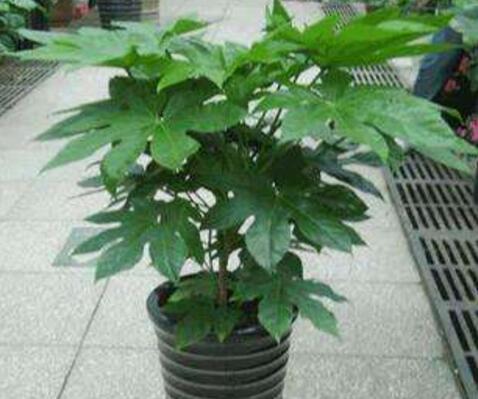
Fatsia japonica pruning time, methods and follow-up care to make the plant shape more beautiful
Some people think that growing Fatsia japonica is relatively easy, and that it basically needs little pruning to maintain good growth, but botanists tell us that if you want to maximize the ornamental value among the effects and functions of Fatsia japonica, you still need to prune it regularly
-
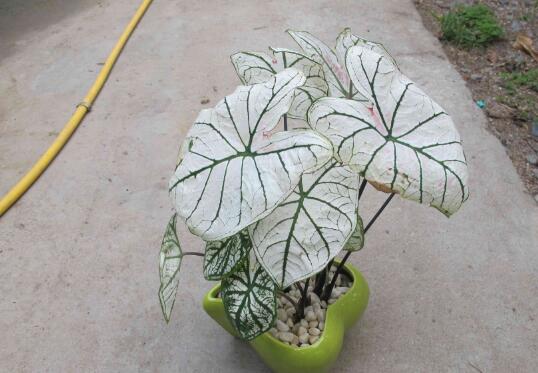
Caladium care methods after autumn: follow these 6 steps for better growth next year
Caladium is a plant native to the Amazon River basin in South America, later introduced to China, and today it can be seen in many regions of China. This plant is not tolerant of low temperatures, so caring for caladium after autumn requires great attention. So what are the care methods for caladium after autumn?
-

How to repot and transplant nasturtium? Choose the right time and soil, and provide good aftercare following transplanting
Because nasturtium grows quickly, it easily outgrows its pot, so after a period of time it needs to be given a new pot and soil. Since after repotting nasturtium needs to adapt to the new pot and soil environment, some skill is required during transplanting to ensure it gets through this period smoothly.
-
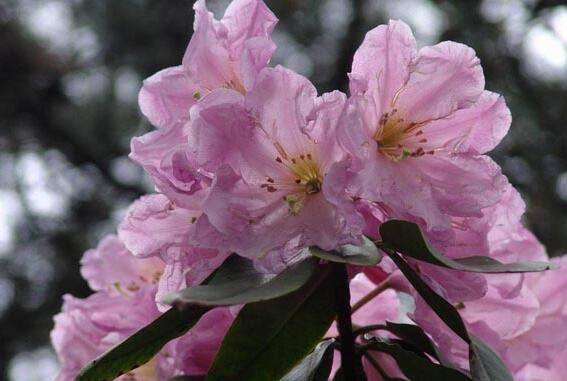
Rhododendron cutting propagation method, high survival rate and blooms the following year
As one of China's top ten famous flowers, the rhododendron's reputation is known to everyone; its beauty has won people's hearts and become a symbol of beauty. And to have rhododendrons blooming in more places, we need to master its propagation methods. So how do rhododendrons propagate? It is understood
-
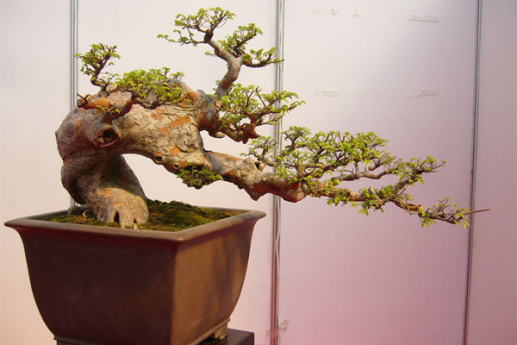
The reasons for yellowing elm leaves are roughly as follows:
1. Insufficient light 2. Overwatering causing root suffocation and root rot 3. Fungal disease on the leaf surface. So, if you want the elm bonsai to become lush and lovely again,
-

Taiwan's first Golden Rural Competition has kicked off, with county and city governments following suit one after another
Taiwan's first Golden Rural Competition has kicked off - county and city governments are launching Golden Rural GOGOGOLD one after another!!!
条件筛选