-

Reasons and solutions for yellowing leaves and failure to bloom in Catharanthus roseus (Madagascar periwinkle)
(1) Insufficient light causes yellow leaves and failure to bloom. Solution: In daily care, Catharanthus roseus needs to be placed in a sunny and warm location. If it is kept in a shaded environment for a long time, it will cause the plant to grow leggy, with yellowing leaves and failure to bloom, among other problems. This is especially true in winter when sunlight is insufficient.
-
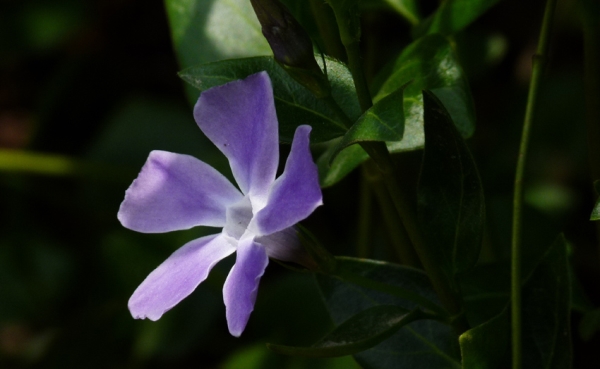
Why does variegated greater periwinkle fail to bloom?
Soil problems: If, during cultivation, the potting soil for greater periwinkle uses clayey soil that is on the alkaline side and has poor aeration, it may lead to poor drainage, poor air permeability, or even soil that is too poor, causing poor growth of greater periwinkle and resulting in failure to bloom. Overwatering: During the blooming period of variegated greater periwinkle, watering should be reduced.
-
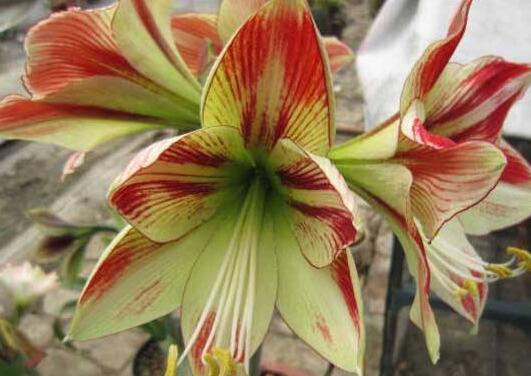
What to Do When Amaryllis Leaves Turn Yellow? Four Methods to Prevent Yellow Leaves and Failure to Bloom
Although the amaryllis does not have many leaves, and people do not grow it for its foliage, some flower enthusiasts still encounter yellowing leaves, which is not only frustrating but also affects the plant's growth and blooming. So what should you do when amaryllis leaves turn yellow? Let's look at the specific causes and solutions.
-
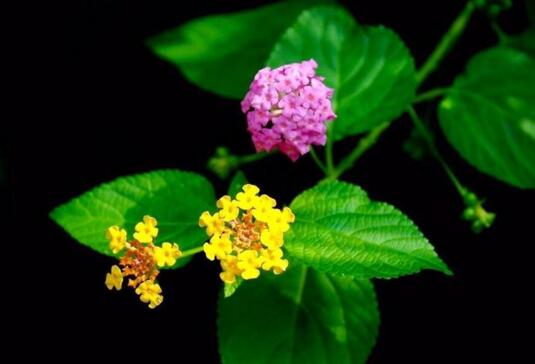
How long is the blooming period of Lantana camara? Four fixes for failure to bloom, for a longer blooming period
As everyone knows, the flower language of Lantana camara is very beautiful; it carries the meaning of cheerfulness and liveliness, and also symbolizes family harmony, so it is much loved by people. So in what season does Lantana camara bloom? How long is the blooming period of Lantana camara? And what should you do if your Lantana camara does not bloom? Let me give you the answers
-
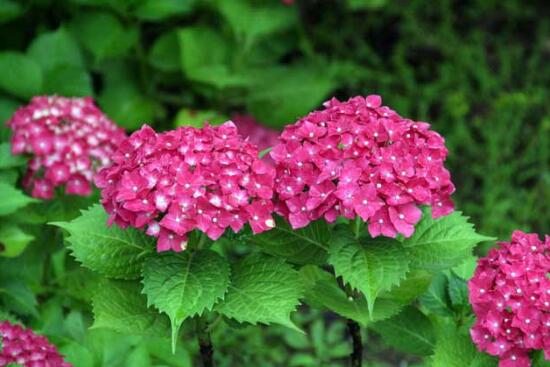
The reasons hydrangeas fail to bloom are improper lighting and excessive fertilisation
Hydrangeas have a long blooming period and large, brightly coloured flowers, making them a favourite among many flower lovers. In daily life, many people grow hydrangeas and look forward to them blooming. But by June, many growers' hydrangeas still show no signs of activity, so why won't hydrangeas bloom? On this, the editor has summarised 5 reasons why hydrangeas fail to bloom
-
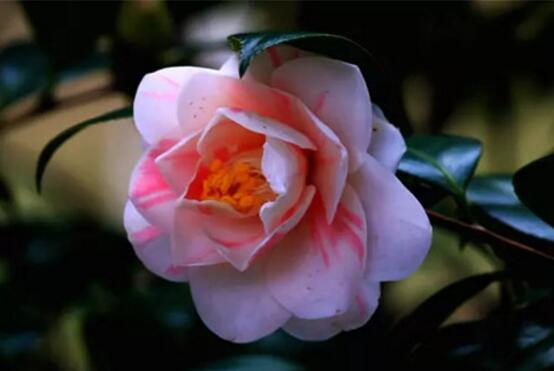
Camellias fail to bloom mostly because the temperature is too low, the air is too dry, the soil is too alkaline, or fertilizer is applied too frequently
As one of China's top ten famous flowers, the camellia has a long blooming period, gorgeous flowers and a captivating fragrance, and is welcomed and loved by people. However, if you do not follow the proper camellia growing methods, the camellia will also fail to bloom, and then you will be in trouble! So why do camellias fail to bloom? The following are two situations in which camellias fail to bloom
-
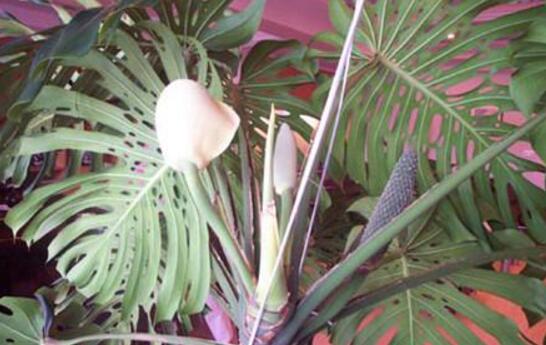
Does Monstera deliciosa bloom? Failure to bloom is heavily influenced by environment and flowering period
There is a saying circulating among people in China: "When the Monstera deliciosa blooms, it is as hard to see as the cycad tree," meaning that wanting to see a Monstera deliciosa bloom is as difficult as seeing a cycad bloom, which shows that its flowering is relatively rare. So, does Monstera deliciosa bloom? The answer is yes. Does Monstera deliciosa bloom? Monstera deliciosa originates from tropical regions
-
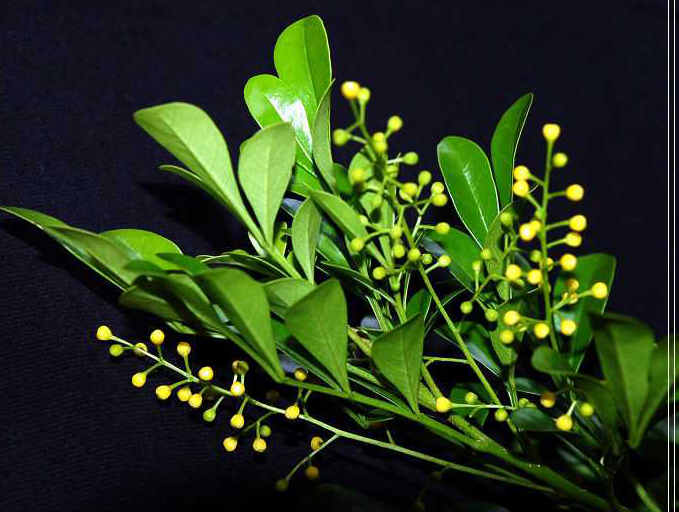
Why does Aglaia odorata sometimes fail to bloom or drop its buds
Aglaia odorata loves light. If the pot is kept in too shady a spot during its growth and development, the branches will grow leggy, flower bud differentiation will be affected, and it will bloom little or not at all. Insufficient light, temperatures that are too low, or applying too much nitrogen fertilizer and not enough phosphorus fertilizer are also a main reason why Aglaia odorata fails to bloom, blooms little, or has a faint fragrance
-
Why does home cultivation of Phalaenopsis fail? An analysis of four reasons
1. Overwatering: Friends who grow Phalaenopsis always worry that the orchid lacks water, and regardless of whether the growing medium is dry, they water it every day, causing severe root rot. 2. Temperature too low: Usually, flowering Phalaenopsis plants are mostly brought to market in early spring, and after being bought and taken home they are generally placed in places such as the living room for enjoyment. Although the daytime temperature in these places is sufficient, the nighttime temperature is somewhat on the low side. On the other hand, professionally cultivated orchids are mostly kept in well-equipped greenhouses. By comparison, the temperature and humidity at home are both somewhat insufficient, so the plants' growth tends to
-
Why oyster mushroom mycelium fails to fruit for a long time after fully colonizing the substrate, and how to fix it
In oyster mushroom cultivation, you sometimes run into bags or blocks whose mycelium grows very well but, after fully colonizing the substrate, produce no mushrooms for a long time. The main causes and remedies are as follows: 1. The oyster mushroom variety does not match the season. The temperature type of the spawn differs too greatly from the air temperature at cultivation time, which is to say the sowing time was chosen poorly. For example, if a medium-to-low-temperature oyster mushroom spawn is sown at the turn of spring and summer, the mycelium fully colonizes just as the hot season arrives, making fruiting very difficult. Remedy: dig a trench in a shady spot, arrange the bags in it and cover them with soil to oversummer; when the autumn cool arrives and conditions are suitable, dig away the soil cover and carry out fruiting management to reduce losses.
条件筛选