-
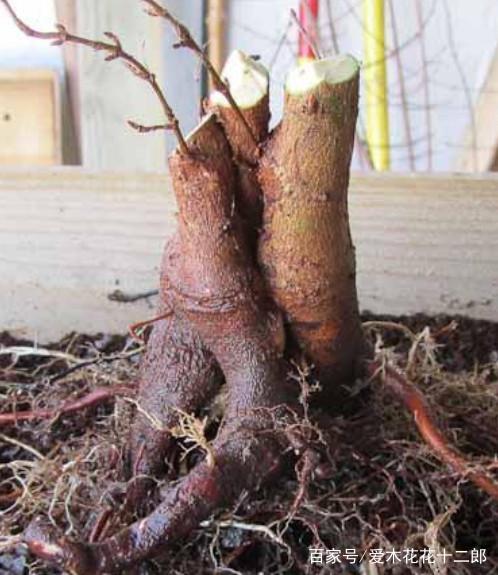
Bonsai approach grafting: how to obtain an elephant-foot trunk
Enjoying bonsai is all about the "play" in it. However, time waits for no one: a bonsai takes a day to complete but ten years of work, and life does not have many ten-year spans. Sometimes we can use certain techniques to quickly achieve the effect we want. For example, using the approach grafting method...
-
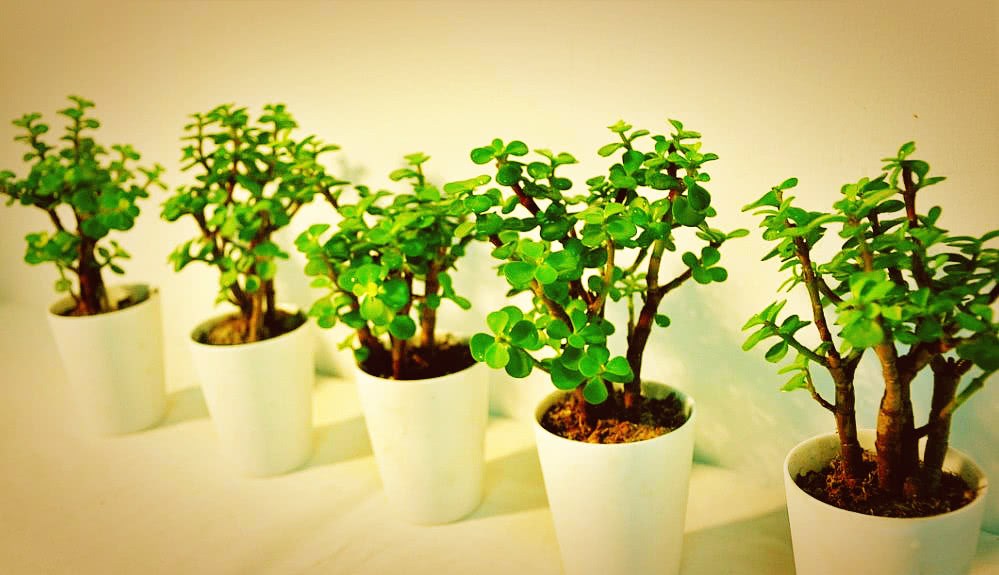
Bury a few soybeans in the pot of the elephant bush, and in one month it grows into an exquisite bonsai
The elephant bush (Portulacaria afra) belongs to the purslane family (Portulacaceae). It has extremely strong adaptability and is a very easy plant to grow. To grow it well, pay attention to the following points: First, soil mixing. The soil must be loose and breathable. For example: granular soil makes up more than 40%, leaf mold makes up 30%...
-
What to Do When the Leaves of the Elephant Bush (Portulacaria afra) Change Color? Causes and Solutions
There are several reasons why the leaves of the Elephant Bush change color, and you just need to treat the cause accordingly. Control watering and provide it with soil that drains well; too much water turns the leaves yellow, so watering only when the potting soil is dry is best. When the leaves turn green, it needs more light; a purplish-brown color is the normal one.
-
How to grow Portulacaria afra (elephant bush) so it blooms? Master these few care points
Light: Ensure plenty of sunlight, and it is best to grow it in a well-ventilated spot. Temperature: Increase the day-night temperature difference to encourage blooming. Fertilizing: Fertilizer provides sufficient nutrients for blooming, but do not use too much at that time to avoid fertilizer burn; just add a dilute nitrogen-containing fertilizer solution once every half month.
-
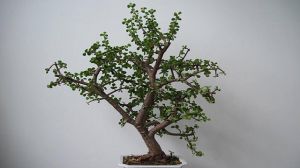
How to propagate Portulacaria afra (elephant bush) from cuttings? Detailed method and steps
The best time for cuttings is spring and autumn, when the survival rate of the roots is relatively high. When doing it, choose a slightly older branch, preferably one with leaves on it, trim the length to about 10 cm, leave the branch in a cool, ventilated place to dry, then insert it into a sand bed. Do not water it for the first week, and it will take root in about half a month.
-
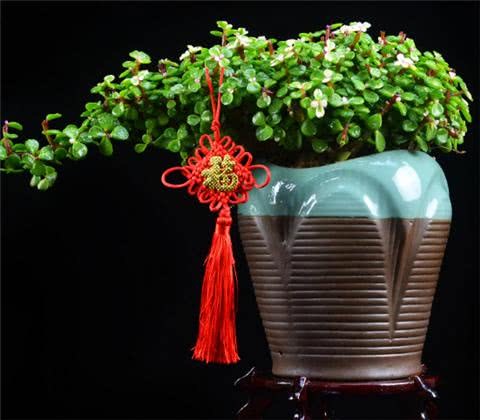
Bonsai Methods for Elephant Bush: Beautiful Shapes, Elegant Living
Elephant bush bonsai looks very beautiful, with the shape trained from many years of old stock, an elegant plant form, and verdant color, giving a sense of natural dignity. Let's take a look below at how to make an elephant bush bonsai! Methods for making an elephant bush bonsai (1). Selection of the plant. Generally...
-
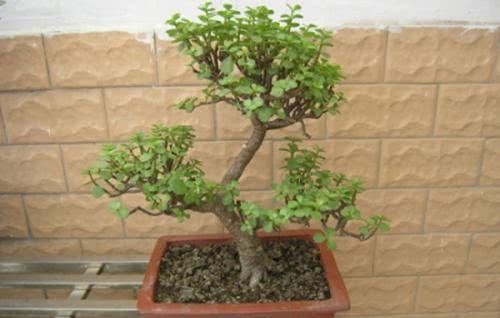
4 main reasons why Elephant Bush (Portulacaria afra) goes soft and drops its leaves
Many gardening enthusiasts love Elephant Bush (Portulacaria afra) for its whole plant being lush green with plump, fleshy leaves, which is extremely adorable, so they take extra care in looking after it, just wanting it to grow quickly. But during the care process, they often see the Elephant Bush going soft, dropping...
-
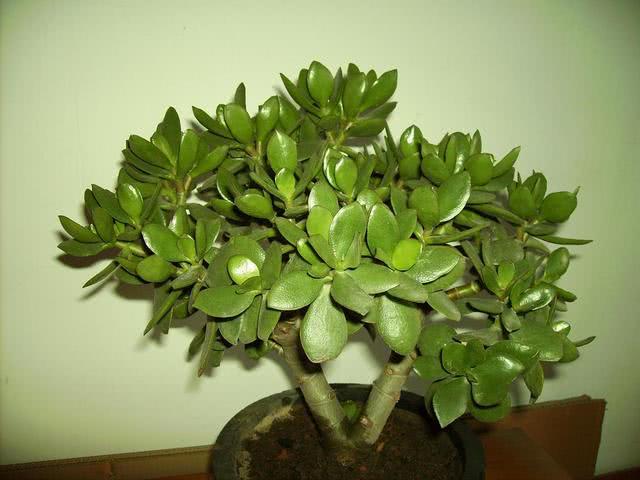
What is the difference between Portulacaria afra (elephant bush) and Crassula ovata (jade plant)? A full analysis of growing techniques by variety
In nature there are always some extremely similar varieties. They look almost identical in appearance, differing only by region, and it is hard for us to tell on our own what really makes them different. The slight differences are impossible for us to distinguish with the naked eye, so it is difficult...
-
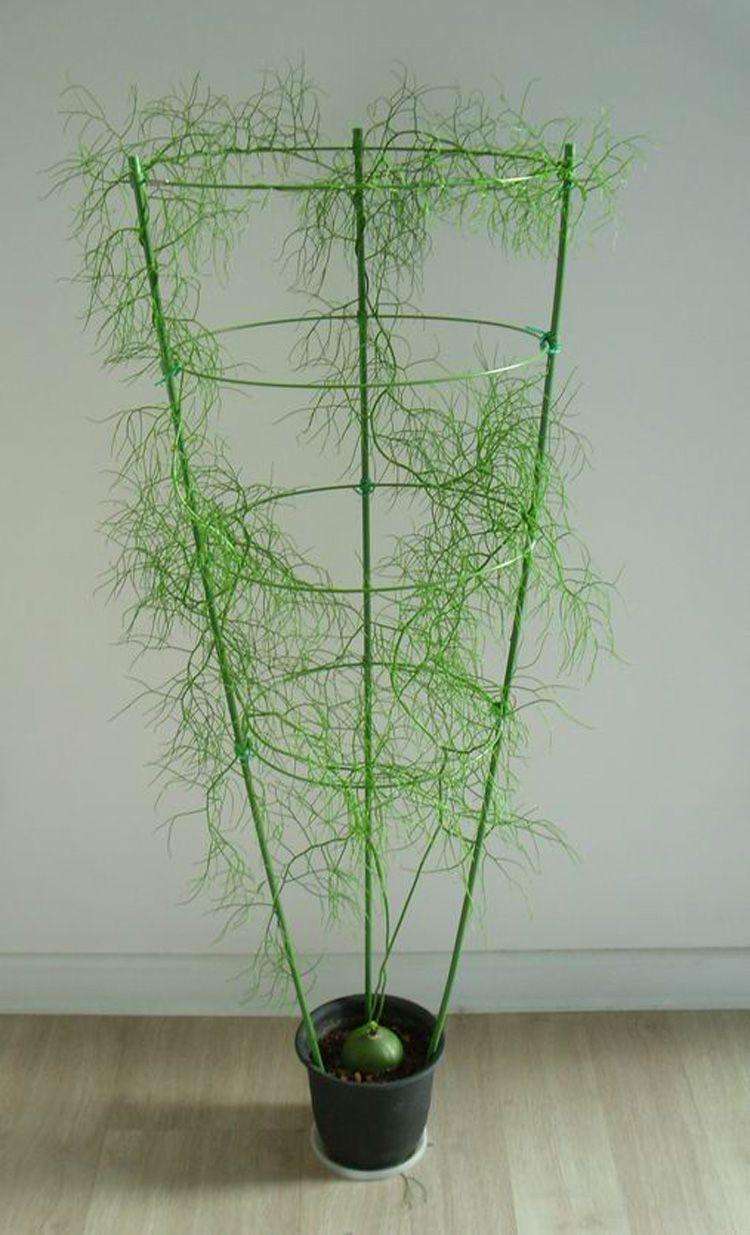
Dioscorea elephantipes is a well-known representative species among succulents
Dioscorea elephantipes originates from the arid regions of southern Africa, and the plant has a large fleshy caudex. The maximum diameter can reach 20-30 cm, and the surface is light green and glossy. It prefers cool conditions, and its cold tolerance and heat tolerance are both somewhat poor. It likes bright light and avoids direct sunlight...
-
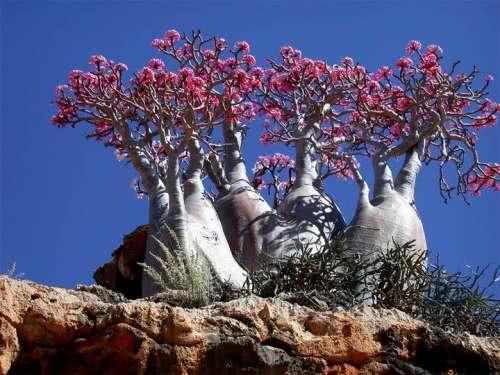
The elephant's leg succulent blooms with incredibly gorgeous flowers, and the more sun it gets, the more flowers it produces.
Desert rose does not actually grow in deserts, nor is it a rose. Its scientific name is Adenium obesum, and it belongs to the dogbane family (Apocynaceae). It is a succulent plant that grows on extremely barren Gobi gravel with intense sunlight. Its trunk is thick and sturdy, and its flowers are brilliantly colorful. It is called...
条件筛选