4 main reasons why Elephant Bush (Portulacaria afra) goes soft and drops its leaves
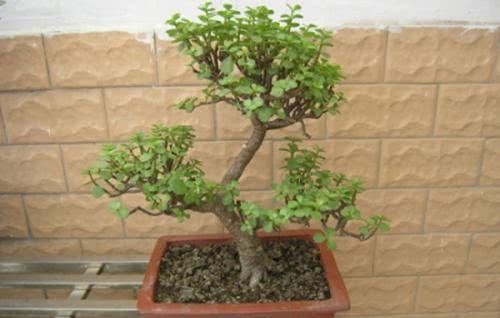
Many gardening enthusiasts love Elephant Bush (Portulacaria afra) for its whole plant being lush green with plump, fleshy leaves, which is extremely adorable, so they take extra care in looking after it, just wanting it to grow quickly.
But during the care process, situations such as the Elephant Bush going soft and dropping leaves are often seen, so Huar will introduce the 4 reasons why this happens.
1. Insufficient sunlight
Elephant Bush (Portulacaria afra) likes light, but it cannot be exposed to harsh sun, otherwise it is very easily scorched. Gardening enthusiasts basically keep it indoors for care. Although Elephant Bush is also shade-tolerant, being in a dark environment for a long time means its metabolism cannot stay balanced, which leads to the leaves going soft, dropping, and so on.
Move the Elephant Bush promptly to a place with light, but note that you cannot move it directly to a place with strong light, as its metabolism cannot keep up, and it will wither and die even faster. You can first move it to a weak-light environment, and after it recovers for a period, then move it to a place with relatively strong light for care.
2. Not watering for a long time
Many gardening enthusiasts always think that Elephant Bush (Portulacaria afra) is a drought-tolerant plant that does not need much watering, but you should know that the weather is getting hotter and hotter now, and the plant's transpiration rate keeps increasing. If you do not water it in time, its leaves will slowly become thinner, turn yellow and fall off, and the whole plant will be very wilted.
Water it in time. Usually you can spray some water vapor onto the leaves more often to increase humidity, making its leaves even more emerald green.
3. Too much fertilizing
During the growing season, some gardening enthusiasts fertilize frequently in order to let it grow better, which leads to excess nutrients in the soil that cannot be absorbed, and even causes root burn, leading to leaf drop.
Even during the growing season, fertilizing cannot be too frequent or at too high a concentration. Applying once about every half a month or twenty days is most suitable. Each time it is best to use fully rotted, diluted liquid fertilizer, so that it can absorb it better.
4. Branches and leaves have not been pruned for too long, causing them to be too dense
Elephant Bush (Portulacaria afra) has very strong sprouting ability. If it is not pruned in time, the branches and leaves become too dense, and the branches and leaves will compete for nutrients. Branches and leaves with insufficient nutrients will go soft and drop leaves, and when ventilation and light are both poor, it is also very easy for pests and diseases to breed.
Prune the Elephant Bush (Portulacaria afra) at irregular intervals, cutting off some overly dense branches and leaves, which can promote the growth of side branches, make the plant shape fuller, and increase its ornamental appeal.
That is all for the introduction to Elephant Bush (Portulacaria afra). If gardening enthusiasts have other additions, you can share them with everyone in the comments section below. If you want to learn more about plant care knowledge, you can follow Huajianke!