-
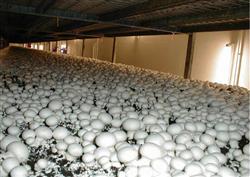
Eight precautions for the prevention and control of pests and diseases in button mushrooms
Strengthening the comprehensive management of button mushroom cultivation and creating an environment conducive to the growth of button mushrooms while unfavorable to the reproduction of pests and diseases is the key to growing organic button mushrooms. 1. Do a good job of environmental sanitation. Spawn production and operating personnel must establish a normal cleaning and sanitation management system, continuously remove contaminants and disinfect them with chemicals,...
-
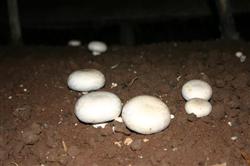
Eight Key Points for the Prevention and Control of Diseases and Pests in Button Mushrooms
With the rapid development of mushroom production, finding ways to improve economic returns and reduce costs is the direction that growers and related technical personnel are striving toward. North China has large amounts of corn straw, and using it instead of rice straw to cultivate mushrooms can greatly reduce costs. The relevant techniques are introduced as follows: 1. Mushroom compost formula...
-
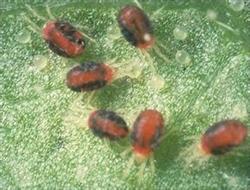
Eight Detailed Methods for Controlling Mites in Substitute-Material Wood Ear Mushrooms
Rapeseed cake powder trap method: take an appropriate amount of rapeseed (0,-5025.00,-100.00%) cake, grind it into powder, put it in a hot wok, and stir-fry over low heat until the powder gives off a rich oil fragrance, then remove from the wok. On the surface of the growing substrate or bed where the mushroom mites are causing damage, cover with a wet cloth, then lay a piece of gauze on top of the wet cloth, sprinkle the fragrant rapeseed cake powder onto the gauze, and wait...
-
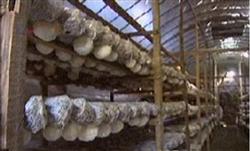
Eight Practical Measures for High-Quality, High-Yield Cultivation of Lion's Mane Mushroom
Lion's mane mushroom (Hericium erinaceus) is a mid-to-high-grade edible fungus with a distinctive flavor and high nutritional and health value. As people's living standards rise, the market for fresh lion's mane mushroom is gradually expanding. Popularizing its cultivation can both meet consumer demand and help mushroom growers become more prosperous. The techniques are described below: ...
-

How to prevent and control mushroom wilting disease? Remember these eight key points
1. Early prevention in the substrate mix. When using corncobs, wheat straw, or rice straw as the main material, add 5% wheat bran or 4% fermented and decomposed livestock and poultry manure at the bottom; when using nitrogen-rich cottonseed hulls as the main material, no nitrogen source needs to be added, but attention must be paid to controlling mite damage, and spraying an 800-fold dilution of trichlorfon when mixing the substrate works very well. 2. Moderate acidity and alkalinity. The amount of lime added when mixing should reach 5%, and after each mushroom harvest, spray 1% lime water or 4% plant ash water to raise the pH. 3. Ventilation and air
-
Eight Technical Measures for High-Yield Cultivation of Lion's Mane Mushroom
Selecting Good Strains First, the mother cultures used for production should have excellent traits, shown as fast growth, uniform and neat, and covering the slanted surface within two weeks at suitable temperature. When preserved in a refrigerator, primordia often form, and microscopic examination shows a small number of chlamydospores; if there are too many spores, the yield tends to be low. If the mycelium turns yellow, is thin and weak, or sparse, it indicates that the strain has degenerated. If growth is uneven or irregular, or there is antagonism, it indicates that the strain is not pure, and none of these should be used. All stock cultures should be dense and white, uniform from top to bottom, with no interruption in the mycelium, and vigorous mycelium on the surface. If the substrate shrinks and dries, separates from the container wall, and the color darkens, it indicates that the strain is aging.
-
Eight preventive measures for bagged shiitake mushrooms to safely overwinter the summer, explained in detail
Based on our investigation and analysis of the summer-survival problems in large-scale bagged shiitake mushroom cultivation in Xixia over more than ten years, we have summarized a set of preventive measures for bagged shiitake mushrooms to safely get through the summer. They are presented below for reference. 1. Prevent contaminated spawn. There are many factors that can cause contamination in spawn, for example: incomplete sterilization of the substrate, lax disinfection during inoculation, introduction of pathogens during inoculation operations, air forced in through the cotton plug, respiration or damage during spawn transport, inoculation with contaminated spawn, and other such reasons. If contaminated spawn is used for production, it can harbor incalculable losses. 1.1
-
Detailed Explanation of Key Points for Lightweight Cultivation Technology of Substitute-material Shiitake Mushrooms
Since the 1990s, the substitute-material flower shiitake cultivation technology successfully researched by the Qingyuan County Edible Fungi Research Center has been rapidly promoted and applied nationwide, making major contributions to poverty alleviation and prosperity in rural areas and to the transformation of shiitake production from quantity-oriented to quality-oriented. However, in substitute-material shiitake production, processes such as substrate log sterilization, inoculation operations, and manual bag cutting require large labor inputs, and problems such as low substrate log success rates, uneven fruiting, and deformed fruiting bodies have long constrained the development of shiitake production, especially creating major obstacles for intensive production. For this reason, our
-
Scraping the mushroom bed surface of oyster mushrooms can increase mushroom weight
After two harvests of oyster mushrooms, the bed surface often becomes severely dry and compacted, with poor air and water permeability, and the mycelium becomes senescent and weak, which delays the fruiting time, reduces mushroom yield, and may even result in no mushrooms at all. Scraping the bed surface can effectively solve this problem and produce a very good yield increase. The method for scraping the bed surface is: for a severely compacted bed surface with an overly thick mycelial skin, scrape off a thin layer of the aged mycelial skin over the entire surface. For a slightly compacted bed surface with a relatively thick mycelial skin, use a wire to scratch many small crisscrossing grooves until the mycelium is exposed. For ridge-bed cultivation,
-
How to control edible mushroom pests? Eight methods to help you deal with them skillfully
In the process of edible mushroom production, the control of pests (mushroom gnats, mushroom midges, springtails, mites, nematodes, etc.) is a headache for mushroom growers. Now I would like to introduce several methods for skillfully controlling edible mushroom pests to mushroom grower friends, for their reference. 1. Use fermented or sterilized substrate cultivation as much as possible to control the insect population in the cultivation site; the cultivation beds for button mushrooms (Agaricus bisporus) should use fermented substrate. When mixing the substrate, add 0.5% salt, 3% lime, 5%-8% plant ash, etc., which has a good insect-repellent and preventive effect. 2. Before the mushroom bags or substrate are brought into the shed, empty-shed disinfection should be carried out: use 0
条件筛选