-
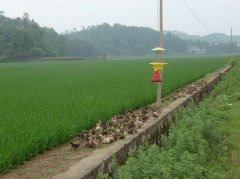
New Technology for Ecological Duck Farming in Rice Paddies: An Introduction to Efficient Duck Farming Methods
Natural ecosystems are diverse, with various organisms coexisting in harmony. We can raise many animals in rice paddies to increase income. Let's take a look at how to raise ducks in the fields. Also, beneath this beautiful ecology lie troublesome problems. For organic farms
-
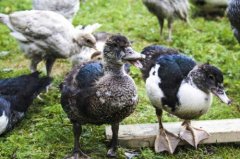
What Are the Key Points of Duck Farming Methods and Disease Prevention
Nowadays, the economic income from duck farming is quite high, so there are also many farmers raising ducks, but raising good ducks is not easy. So how should you raise them? There are many problems in the farming process, and below we will solve these problems for you. Ducks grow fast,
-

Key Technical Points and Feeding Management Methods for Gaoyou Duck Farming
Abstract To farm Gaoyou ducks, you must first build a good duck house, choosing a flat area with a water source to build it, and the common equipment inside such as drinking water and feeding equipment must be prepared. Then choose relatively good ducklings to raise, control the light at 23 hours, and control the temperature at around 25°C to 31°C.
-
Detailed Guide to Beijing Duck Farming Technology, Full Analysis of Scientific Breeding Methods
Abstract To farm Beijing ducks, the first step is to build good duck houses. There must be a clean water source near the duck house, and the interior of the duck house should be well divided into zones. Then select high-quality ducklings that are healthy, have loud calls, and glossy feathers. During rearing, light should be maintained for 23 hours, drinking water must be fresh, and the food
-
How Many Ducks Should Be Released Per Mu of Land in Rice-Duck Farming?
Abstract: About 15 to 20 ducks can be raised per mu. Benefits: it reduces the feed cost for the ducks and reduces pest damage in the rice field. Notes: when raising ducks, do not apply pesticides or chemical fertilizers, so as to avoid causing illness in the ducks. Rice-duck farming is now relatively popular
-
Key Technical Points and Methods for Raising Green-Headed Ducks (Anas platyrhynchos domesticus)
Abstract First comes the selection of breeding stock; high-quality breeding ducks play a crucial role in later-stage farming. When raising ducklings, the temperature must be well controlled, and within 24 hours after hatching, they must be given water before feed. During the rearing of growing ducks, attention must be paid to their diet; this period is the growth stage,
-
Key Technical Points and Scientific Feeding Management Methods for White Duck Farming
Abstract In the early stage of white duck farming, the duck house must be built first. The duck house should be built in a place where the soil has good permeability and which is sheltered from the wind and faces the sun. After the ducks hatch, they should first be given water, and then fed. Ducklings from 1 to 3 days old need to be fed once every hour, while ducks in the weight-gain stage
-
How many days does it generally take for a Shelduck to be ready for market?
Abstract Shelducks can be ready for market after about 38-45 days of farming. Shelducks grow especially fast, the input cost is not high, and the farming benefits are very good, so they are deeply loved by farmers. Shelducks can be fed roughage and are also very suitable for beginners to raise. Common Shelduck breeds
-
Muscovy Duck Farming Techniques, Precautions and Common Disease Prevention and Treatment Methods
Abstract During the brooding period of ducklings, temperature and humidity must be well controlled and the immunization program fully implemented. After 1 month of age, rearing is mainly based on free-range in paddy fields, with appropriate supplementary feeding of concentrate at night. After rice transplanting, enclose the paddy field all around to prevent weasels, cats, dogs and others from entering, and in one corner of the paddy field build a simple shelter for the Muscovy ducks
-
A Detailed Guide to Muscovy Duck Farming Techniques and Precautions
Summary Site: In plain areas, choose a place with higher terrain facing north and south; in mountainous and hilly areas, choose the south side or southeast-sloping side of a hillside; the Muscovy duck house should have good ventilation, lighting and drainage. Feeding: The male-to-female ratio of Muscovy ducks is 1:3-5; mixed raising, pen raising and free-range raising are all acceptable; the pen should be provided with a water pool and an appropriate exercise area, and the house should be provided with egg-laying nests. Disease prevention: Before the Muscovy ducks are moved into the house, the house and equipment must be thoroughly disinfected 1 time, and antibacterial drugs should be added to the daily ration at irregular intervals to prevent and control disease.
条件筛选