-

Vietnam's Persistent Heavy Rain Devastates Agriculture: Northern Region Flooded, Durian Trees Die Off en Masse in Central Highlands
Vietnam's persistent heavy rain devastates agriculture: heavy rain in the north kills 3 people, floods more than 16,000 houses, and damages 22,000 hectares of crops; in the Central Highlands, durian orchards in Gia Lai Province suffer from diseases triggered by waterlogging, with thousands of hectares of durian trees affected and large numbers of trees dying from resin oozing and root rot.
-

"The fruit of love" cherry tomatoes (small tomatoes): are they a fruit or a vegetable? Are they genetically modified? Are they high in calories?
Cherry tomatoes, often called small tomatoes, have
-
How to Grow Lily of the Valley: A Complete Guide to Planting Methods and Precautions
A detailed introduction to lily of the valley planting methods and care techniques, including how to grow lily of the valley, soil preparation, light and watering, propagation methods, fertilizing and pruning, pest and disease control, and other practical content.
-
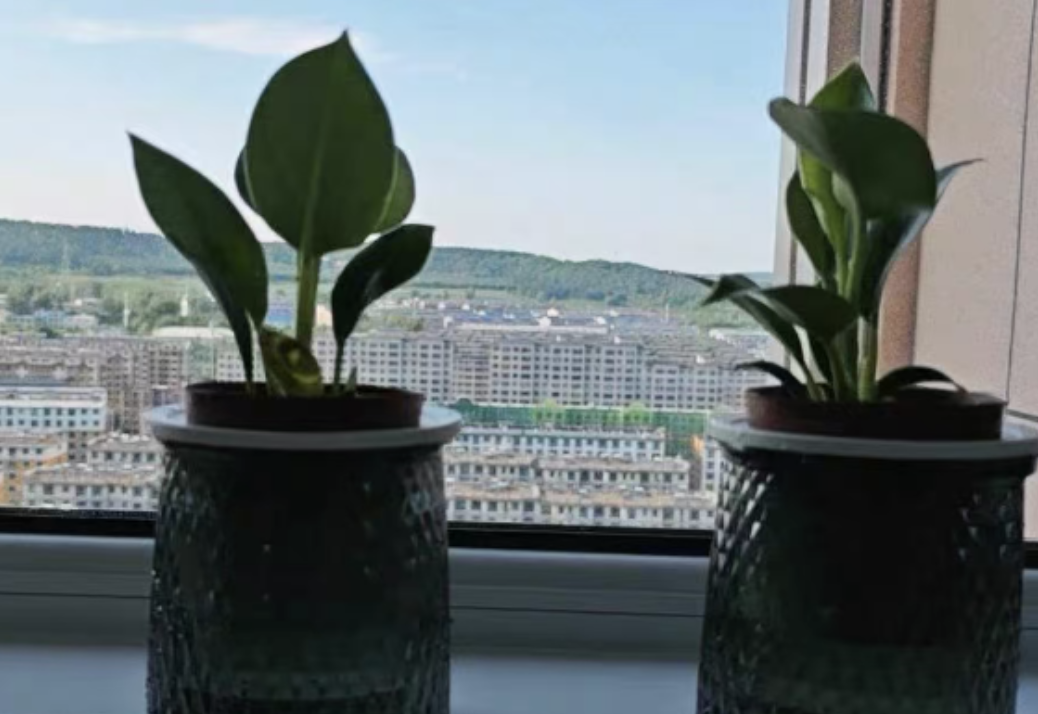
Is it normal for the new leaves of an orchid to be smaller than the old ones? Does it mean it's lacking nutrients?
You notice the new leaves of your Phalaenopsis orchid slowly emerging, but something seems off – they're smaller than the old ones! You immediately start
-

What are the common diseases of small-leaved Syzygium buxifolium? These 3 need early detection and early treatment
Has your pot of small-leaved Syzygium buxifolium been looking a bit "droopy and listless" lately? Either the leaves develop spots, or the branches get moldy, or even the whole plant wilts. In fact, it is mostly down to common diseases. Today let's talk about the 3 diseases that small-leaved Syzygium buxifolium is most prone to, and how to identify and save them. The first and also the most common one is
-
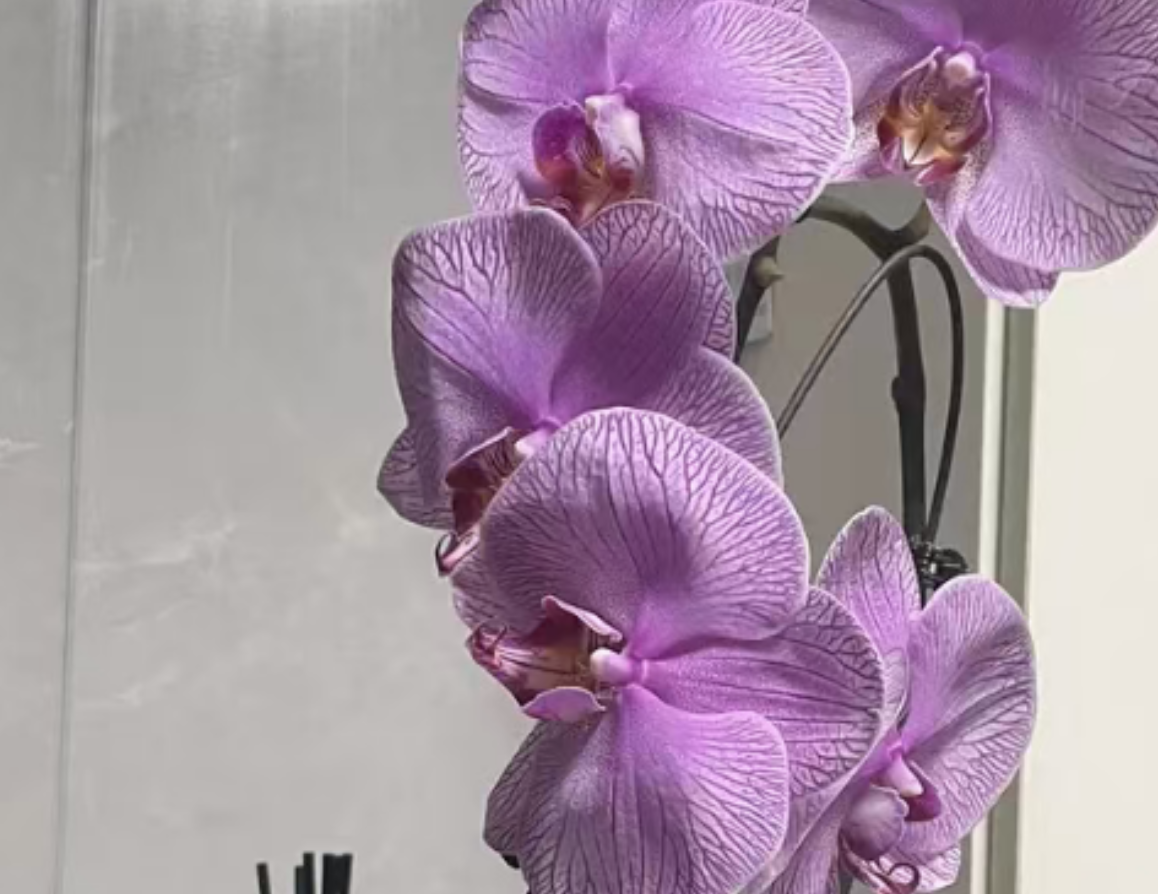
The leaves of Phalaenopsis orchids thick like they've been coated with wax? Just do these few "small things"!
The Phalaenopsis orchid, known as the "noble lady" of flowers, is most admired for its glossy, thick leaves, which feel like they've been waxed and even
-
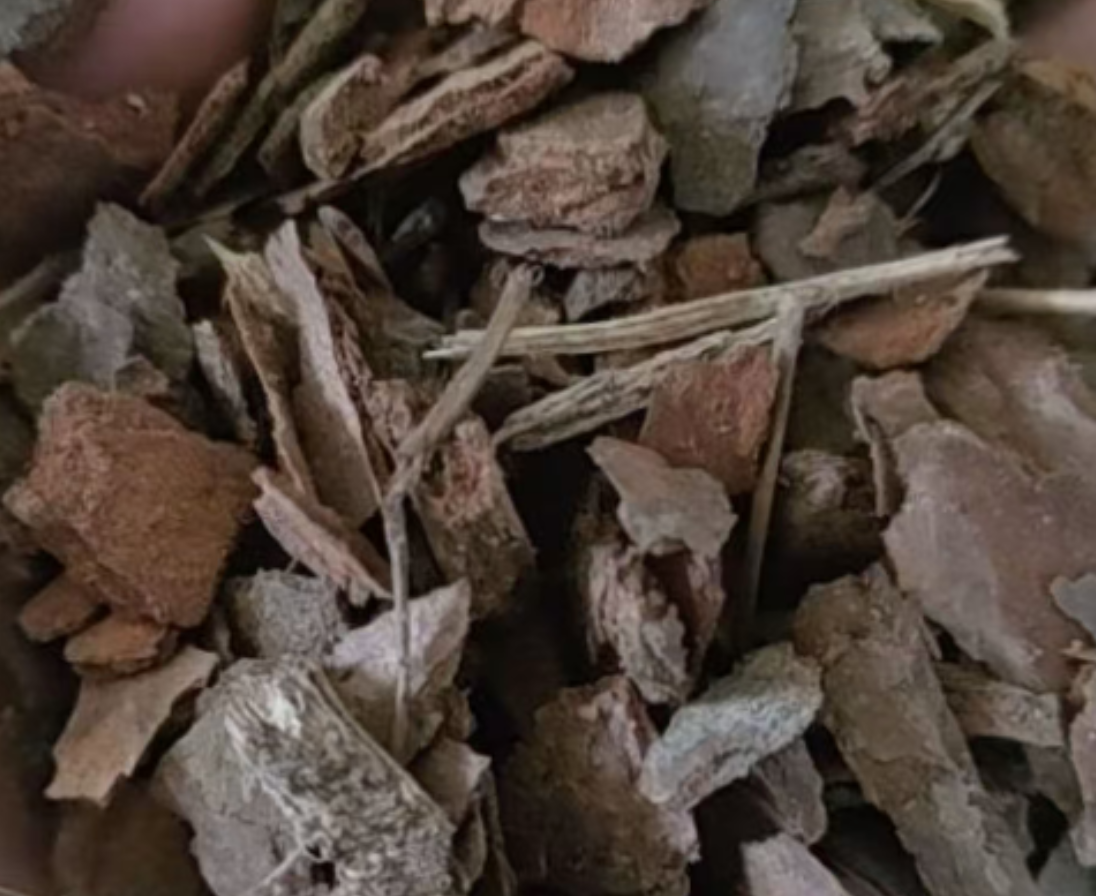
In the South, choose these three types of substrates for growing Phalaenopsis orchids to avoid pitfalls!
For orchid enthusiasts in the South, the biggest headache isn't watering or fertilizing, but choosing the right substrate. Given that it often rains in the
-
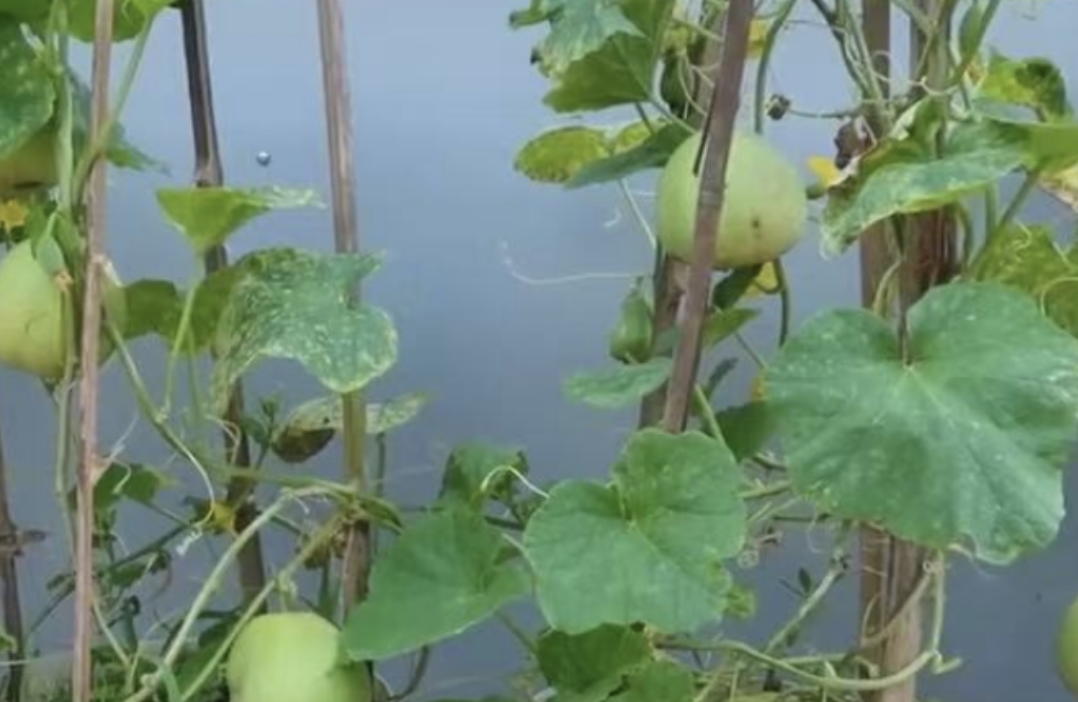
Casually threw melon seeds into the flower pot, and a few months later, it was full of fruit! Can't eat them all, there's just too many!
A netizen casually threw melon seeds into an old flower pot on their balcony after eating melon in the summer. They didn’t think much of it, but a few months
-
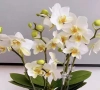
After upgrading the cup of young Phalaenopsis seedlings, learn step by step how to grow strong seedlings, identify roots, and care for them all in one go
When growing young Phalaenopsis seedlings, many flower enthusiasts always think "young seedlings don't need an urgent cup change," and end up stifling the seedlings! Just like this 1.7-inch tissue-cultured seedling at the base, after only 4 months of growing, the roots are already densely emerging and look about to drill out from the bottom of the cup - at this point, it must be upgraded in time, switched to a 2.5-inch cup, to give the young seedling enough
-

Tired of root rot when growing flowers? Tuck a few small things into the pot for better airflow and drainage, and the roots will grow stronger
The biggest headache in growing flowers is root rot - you clearly don't water much, yet the plant still droops, and when you take it out of the pot it's all black, mushy rotten roots, heartbreaking and a waste. Actually, the core problem with root rot is just one thing: water accumulates in the pot and can't drain out, so the roots are smothered in wet soil and lack oxygen. Don't just blame yourself for being heavy-handed with the watering can - add some "small things" to the pot,
条件筛选