-

Clivia Pest and Disease Control Methods and Repotting and Division Techniques
Control Methods for Clivia Blight
-

A Detailed Guide to Propagating Cymbidium Orchids by Division
Cymbidium orchids can generally be propagated by division. When new shoots begin to sprout in spring, this is the suitable time for division. The new divisions should have more than 3 pseudobulbs. After cutting apart, wait for the wounds to dry before potting. Healthy plants can be divided once every 3 years. The cutting tools should be sterilized during division to avoid introducing viral infections
-
How to Propagate Clivia nobilis by Division: A Detailed Guide
Clivia nobilis (drooping clivia) gets its name because its flowers hang down like a bowed head smiling. Asexual propagation of ornamental plants includes methods such as cuttings, division, layering and grafting, but clivias are generally propagated only by division, and this method is even more commonly used for Clivia nobilis. Propagating by division
-
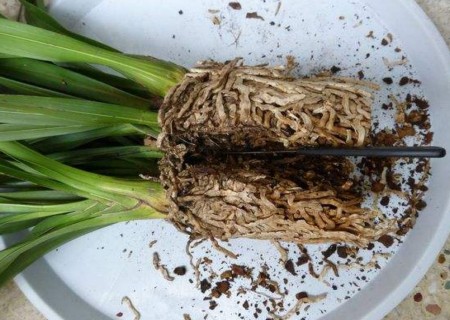
How to divide Cymbidium orchids? Detailed guide to the division method
There are many varieties of Cymbidium orchids, with large petals, brilliant colors and a wide range of flower colors, including red, yellow, green, white, pink, purple and various transitional and compound colors. The flower stems are upright and firm, and the flowering period is relatively long. They can be grown in pots or used as cut flowers, and are deeply loved by gardeners. They have become one of the most widely cultivated orchids in the world. As a general rule
-
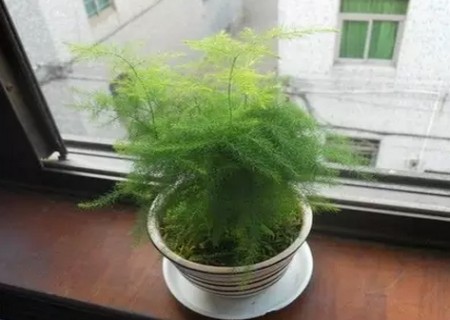
A Detailed Guide to Propagating Potted Asparagus Fern by Division
There are many friends who love asparagus fern. Although asparagus fern is not bamboo, its stems have nodes like bamboo and its form is very elegant. Many people who grow asparagus fern do not know how to propagate it. In fact, household potted asparagus fern can also be propagated by division. Asparagus fern has a strong clumping habit.
-
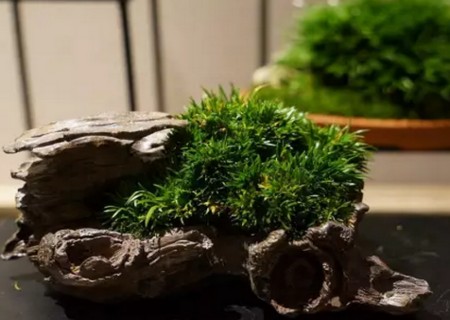
Detailed Guide to Acorus calamus Division Propagation Methods and Steps
The ancient scholar Zhang Tingjiao said that Acorus calamus has the spirit of mountains and forests, not the air of wealth and nobility. It has a clean form, not a filthy form. Its pure qi rises beyond the dust of the world, its spiritual essence dwells among water and stones. This is a quiet specimen, this is a long-lived specimen; those who cultivate it cherish it. As one of the best companion plants for bonsai, Acorus calamus, with its scholarly temperament and fragrant scent
-
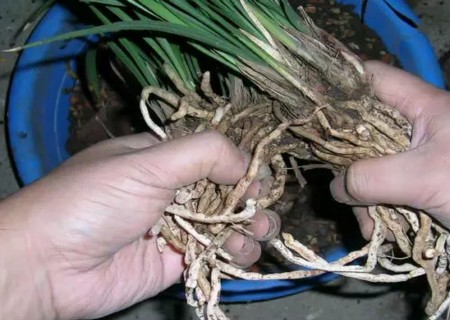
How to divide a potted Clivia (Kaffir lily) by division? A full process in pictures
At the right time, cutting the axillary buds growing at the junction between the pseudobulb and the roots of the Clivia away from the mother plant and growing them separately is called Clivia division propagation. Clivia has strong adaptability and regenerative ability; a mature potted Clivia often produces several, or even a dozen, axillary bud seedlings in a year
-
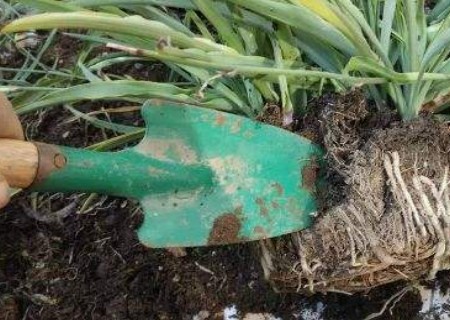
How to divide a potted spider plant? Methods and steps for propagation by division
Potted flowers that can be propagated by division are mainly perennial evergreen herbaceous flowers. Among these flowers, some rely on creeping underground stems that keep extending, causing the clumps to continuously expand. When dividing, first take the mother plant out of the flower pot, shake off the outer soil, and use a sharp knife or pruning shears to cut apart the underground stems connecting the leaf clusters
-
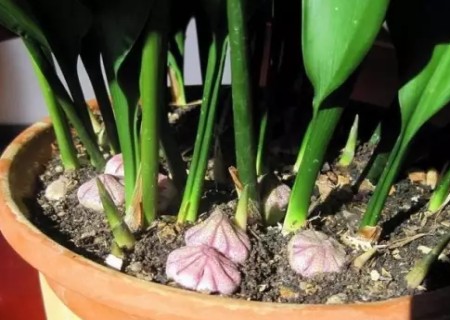
How to Propagate Aspidistra? Detailed Guide to the Division Method
Aspidistra (cast iron plant) stays evergreen all year round, with upright and neat leaf shapes, deep green and glossy leaf color, and a graceful, elegant and refined posture. At the same time, it grows vigorously, has strong adaptability, and is extremely shade-tolerant, making it an excellent shade-loving foliage plant for indoor greenery decoration. It is suitable for placement in homes and offices, and can be enjoyed on its own
-
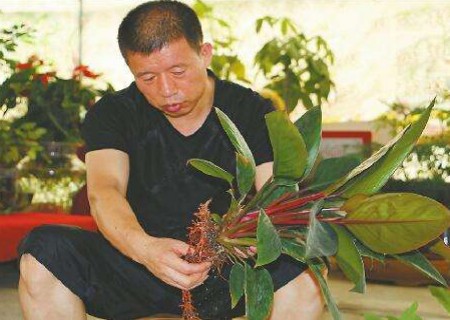
Detailed Guide to Propagating Alocasia (Dripping Guanyin) by Root Division, Easily Grow New Plants
Alocasia (Dripping Guanyin) is an indoor foliage plant. Foliage plants have relatively large leaves, so their transpiration is stronger; with a high transpiration rate, more moisture is released into the air. Dry weather leaves everything in a state of water shortage, so keeping a pot of Alocasia at home this season
条件筛选