What kind of soil does plum blossom like, and how can its morphological features be distinguished?
Since ancient times, plum blossom has been deeply loved by the public for its unique temperament and quaint charm, and its ornamental value is also very high, especially when grown as an excellent bonsai, it has won much praise. But after flowering, the growth of the plant is often inseparable from soil, and good soil quality is the most basic condition for keeping the plant growing well. So, what kind of soil does plum blossom like?
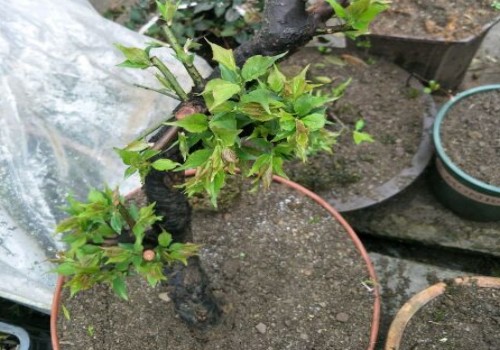
In fact, plum blossom is not very strict about soil, especially when grown in the ground, it is even very tolerant of poor soil. However, if we grow it as a bonsai, we often need to provide it with a better soil environment, so as to ensure it grows better, blooms more brilliantly, has higher ornamental value, and shows more artistic charm.
As for what kind of soil plum blossom likes, this needs to be judged according to its growth habits. Plum blossom prefers a moist growing environment, but at the same time it is not tolerant of waterlogging, and excessive watering can easily cause root rot. Therefore, when mixing soil for plum blossom, we must make loose, breathable soil with strong water permeability the baseline. At the same time, plum blossom also prefers fertilizer, so in addition to timely topdressing later, the soil is also required to be fertile when potting.
In addition, plum blossom is indeed quite tolerant of poor soil and is not very particular about potting soil, so it can generally survive in neutral, slightly acidic, or slightly alkaline soil conditions. To better promote plant growth, it is recommended that you still prepare a better soil for it. For pot cultivation, it is recommended to use leaf mold, garden soil, river sand, and decomposed base fertilizer, then mix and stir them evenly in a 3:3:3:3 ratio to make a mixed substrate.
The potting soil prepared according to the above scheme is not only fertile and loose, breathable and permeable, but also not prone to compaction, so it can be considered a type of potting soil that plum blossom relatively likes. Of course, if we can mix some better substrates such as vermiculite and perlite into the potting soil, it can also improve the soil quality and make the potting soil more suitable for the growth of plum blossom. Therefore, using such a mixed culture soil to grow plum blossom, the plant's growth effect will certainly be very good.
However, if we want to grow potted plum blossom well, it is not limited to preparing good potting soil for it. Daily care and management work is also very important, such as light, temperature, ventilation, watering, fertilizing, pruning, repotting, and many other links that may have a certain impact on its growth. Usually, all these links need to be done well to provide it with a very comfortable growing environment, so that it can always maintain relatively good growth and ornamental condition.