-
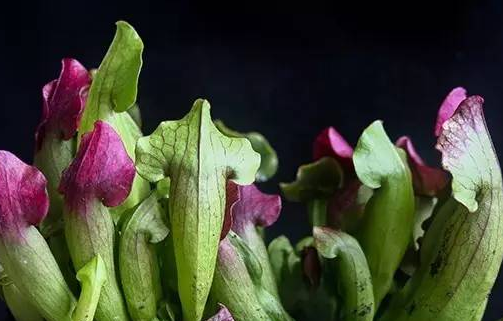
What are the common pests of pitcher plants, and how do you deal with them?
During cultivation, pitcher plants are easily attacked by red spider mites, aphids and root mealybugs. To grow our pitcher plants well, we must be extra vigilant about pest prevention! Red spider mite treatment: dilute abamectin 2000 times or dimethoate 1000 times, add to a spray bottle, shake well and spray
-
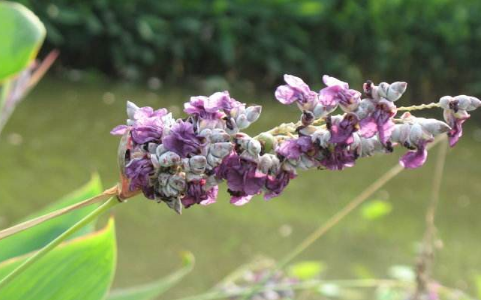
How does Thalia dealbata reproduce? Introduction to common propagation methods
Division propagation The most common propagation method for Thalia dealbata is division propagation. First dig out the plant, break its roots apart, and select the more robust plants for planting. Thalia dealbata can also have one or two rhizomes cut from the mother plant's rhizome, and planting the rhizomes can grow new plants. Sowing method Thalia dealbata can also be propagated by sowing
-
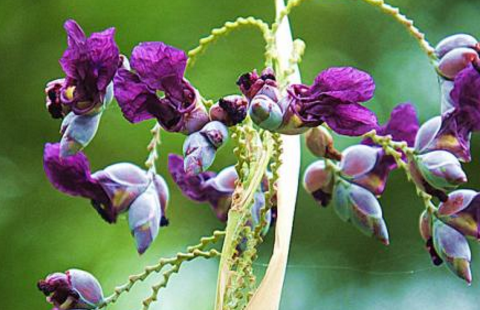
Thalia dealbata (Powdery Alligator-flag) Cultivation Methods and Precautions
1. Growing medium: For cultivating Thalia dealbata, the growing medium can be lake or pond silt, or garden soil, and it is best to mix in some organic fertilizer as a base fertilizer. 2. Light: Thalia dealbata is a type of plant that very much likes sunlight, but it is also very shade-tolerant. For about one week after planting, it should be kept out of direct light, especially in summer, where light exposure should be reduced.
-
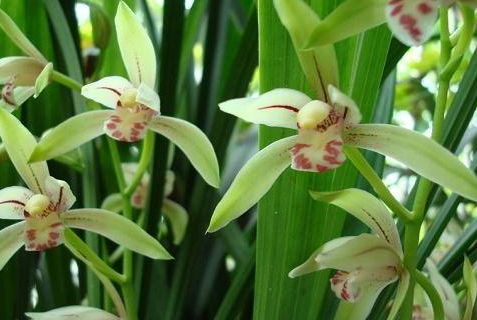
How to deal with root rot in orchids? Sharing practical remedies
1. Water properly. Watering should be decided according to the dryness and wetness of the potting soil and the temperature changes of the four seasons. Overwatering can easily lead to root rot. In summer, you can water in the evening to ensure the potting soil is neither too dry nor too wet. In winter, water less, otherwise the plant may suffer root rot due to frost damage or heat damage. 2. Ventilation and air permeability. If the ventilation conditions are poor
-
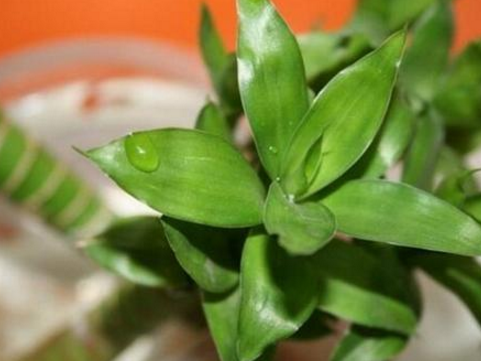
How to deal with yellowing leaves on lucky bamboo grown in water
1. For lucky bamboo grown in water, water is the most basic nutrient for its growth, so it may cause the leaves to turn yellow. In this case, first check whether its roots are fresh. If there are rotten parts, they need to be cut off, and cool boiled water should be added. 2. Light is also a direct factor in yellowing leaves. If the light is too dim
-

-

How to deal with root rot in string of pearls? Here's the correct remedy
Ventilation: First, move the plant to a spot with good ventilation and ample light for care. If it improves after a while, that proves there's no problem. If it doesn't improve, then you need to trim the roots. Removing the potting soil: If it doesn't improve in a well-ventilated spot, then we need to take the plant out of the pot.
-
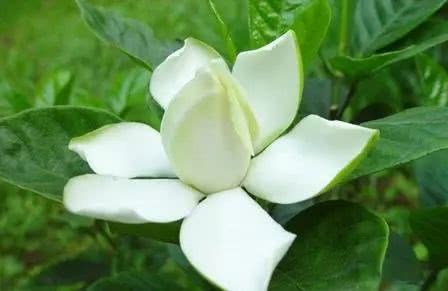
How to deal with root rot in gardenia? Here's how to bring it back from the brink
Some flower lovers are especially fond of gardenias, but sometimes they fail to get the watering just right, which easily leads to waterlogged roots and rot. So how should you deal with a gardenia after its roots have rotted? First, once you notice your gardenia has rotted...
-
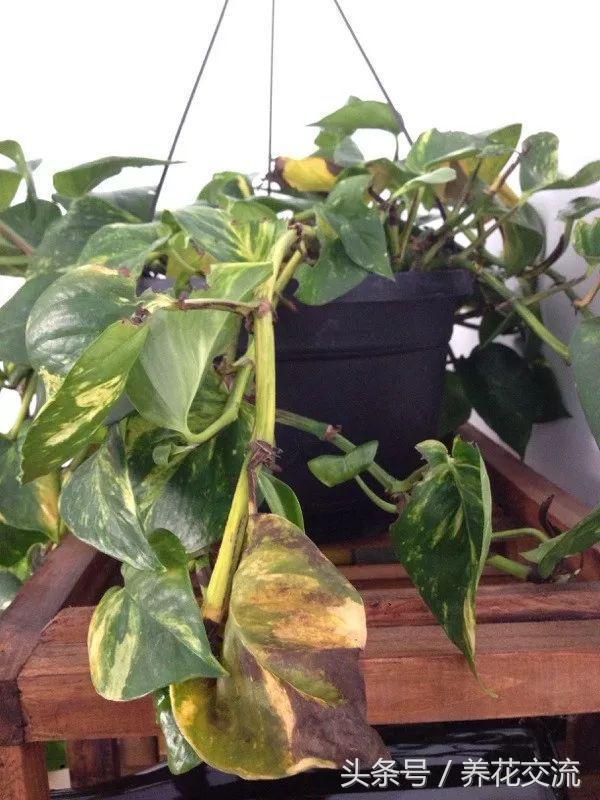
How to deal with yellowing leaves on common indoor plants, so your potted plants stay green all year round
No matter how well you care for your plants, yellow leaves are unavoidable; all plants go through normal metabolism, and even a plant known as evergreen, growing especially vigorously, will still develop yellow leaves at the bottom, which is perfectly...
-

How do you choose the ideal floor plan? Don't be fooled by the saleswoman's endless hype
Huahua knows that people today, when buying a home, pay a lot of attention to the floor plan. A good floor plan can keep the home bright every day and make living comfortable; by contrast, a bad floor plan inevitably comes with a few things that are hard to talk about. Today...
条件筛选