How to deal with root rot in gardenia? Here's how to bring it back from the brink
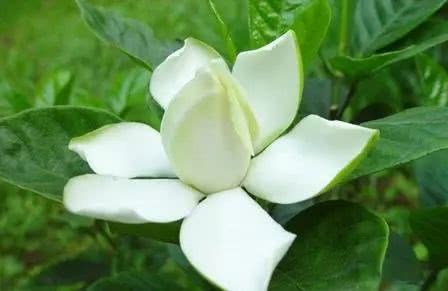
Some flower lovers are especially fond of gardenias, but sometimes they fail to get the watering just right, which easily leads to waterlogged roots and rot. So how should you deal with a gardenia after its roots have rotted?
First, once you notice your gardenia has rotted, take it out of the pot, clean the soil off the roots, then use scissors to cut away all the rotted roots.
Once that's done, put it in a carbendazim solution or a potassium permanganate solution and soak it for about an hour, then place it in a cool, shaded spot and let it dry.
Then find a flower pot, or use the original one, and mix leaf mold, sandy loam and river sand in a 2:2:1 ratio. First line the bottom of the pot with some ceramsite, coal cinders or something else suitable for drainage.
Then add the nutrient soil, repot the treated gardenia, and water it thoroughly. Right after repotting, keep it in a cool, shaded spot for care. Once the plant has adapted to its surroundings, gradually increase its light exposure.
If camellias, Radermachera sinica, jasmine or other woody plants in your home develop root rot, this method can be used to treat them as well.
So how should gardenias be cared for in daily life?
Gardenias like to grow in humus-rich, fertile, acidic soil, so before repotting you can mix leaf mold with decomposed soybean cake, then add an appropriate amount of ferrous sulfate to it.
When watering, make sure to water thoroughly only after the soil has dried out. If you have rainwater, snow water or fermented rice-washing water on hand, you can use it to water the gardenia; just remember that tap water needs to be left to stand for two or three days before use.
In winter, keep it in a spot with plenty of light, stop fertilizing it, and when watering, control the amount of water to avoid overwatering and root rot.
About every one or two years, repot it in spring, and in spring also prune its branches, which encourages new shoots to sprout and promotes the plant's growth.