-

Which common crops are sensitive to pesticide formulations?
Some common crops sensitive to pesticide formulations
-

-
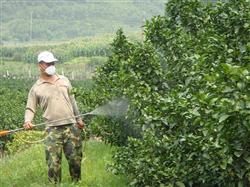
Correct methods for using crop growth regulators
How are growth regulators used on crops? Here is an introduction. When using growth regulators, you can refer to the following methods: 1. Combine them with cultivation measures. Plant growth regulators are not nutrients; they can only regulate plant growth and development to a certain extent. They cannot replace the need for temperature, light, water, fertilizer, etc., nor can they replace...
-

Sensitivity of Crops to Common Insecticides and Fungicides and Precautions for Use
① Take 200 g of scallions, chop them, soak them in 10 L of water for a day and a night, filter the liquid, and use it to spray the affected plants several times a day for 5 consecutive days. ② Take 200-300 g of garlic, crush it and extract the juice, dilute it with 10 L of water, and use it immediately to spray the plants. ③ Take 400 g of tobacco powder and soak it in 10 L of water for two days and two nights...
-
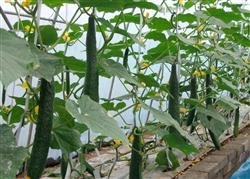
How to choose insecticides specifically for cucurbit crops?
During the growth of cucurbit crops, for the pests commonly encountered, there are some specialized insecticides, that is, low-toxicity pesticides that will not cause serious residue problems for cucurbits, introduced as follows. 1. Menazon. Also known as mieyaling. A highly effective, low-toxicity organophosphorus insecticide with contact and systemic action. In the early stage of melon aphid...
-
The key to cultivating spice crops lies in the skillful use of herbicides
What are herbicides? How many categories are there? Chemical pesticides used to control various weeds in fields are called herbicides. Herbicides can be classified by mode of action, translocation within the plant, method of use, and chemical structure system. (1) Classification by chemical structure system: they can be divided into inorganic herbicides, mineral oil herbicides, ...
-
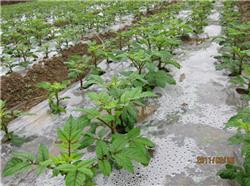
How to scientifically select herbicides for spice crops
Precautions for herbicide use During the use of herbicides in vegetable plastic-film mulching cultivation, in order to achieve safety, economy and effectiveness, the following points should also be noted in operation: 1. During herbicide application, the amount of water used to dilute each 667 sq m dose must not be less than 40-50 kg at minimum; only by ensuring wet...
-
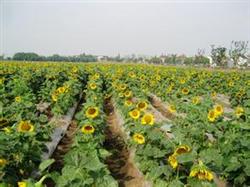
After using which herbicides can you not plant sunflowers in the following crop
If Pursuit (imazethapyr, imazethapyr acid) was used on the previous crop, there must be an interval of 18 months before planting sunflowers; for chlorimuron-ethyl (chlorimuron) there must be an interval of 18 months before planting sunflowers; if the per-hectare rate of nicosulfuron exceeds 60 grams of active ingredient, that is, more than 100 milliliters per mu of 4% nicosulfuron, there must be an interval of 24 months before planting...
-
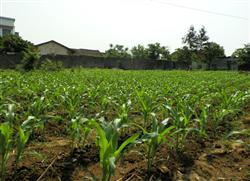
Which crops can paraquat be used on? Detailed introduction to its scope of application
Which crops can paraquat be used on? Please give a detailed introduction. Paraquat is a fast-acting non-selective herbicide with contact action and a certain systemic action. It is rapidly absorbed by the green tissues of plants, causing them to wither and die. It has no effect on non-green tissues. In soil it rapidly binds to soil particles and becomes deactivated, with no effect on plant roots and many...
-
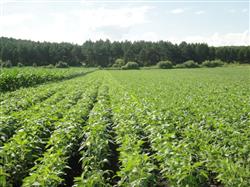
How to prevent pesticide damage to crops? A detailed guide to practical prevention methods
How to prevent crops from suffering pesticide damage? Please give an introduction to prevention methods. Correctly selecting pesticides: when choosing pesticides, understand their characteristics and apply them strictly according to the control scope stated on the label. When purchasing, guard against counterfeit and inferior products, and ask for a purchase invoice or credit card.
条件筛选