-

Hainan cowpea found to contain banned pesticide, Wuhan Municipal Agriculture Bureau reports
Eastday.com news, February 22: Yesterday the Wuhan Municipal Agriculture Bureau announced that on February 6, the bureau sent a letter to the Hainan Provincial Department of Agriculture requesting assistance in an investigation, and that as of the date of the letter, cowpeas produced in Hainan would be barred from the Wuhan market for three months. The Municipal Agriculture Bureau said that from January to early February of this year,
-
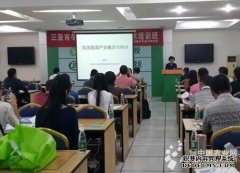
Cowpea Green Control Technology Training Session Successfully Held (Photos)
On January 22, 2016, the Cowpea Green Control Technology Training Session was successfully held at the Sanya Nanfan Science and Technology Research Institute. This training session was co-hosted by the Sanya Municipal Agriculture Bureau and the Sanya Nanfan Science and Technology Research Institute. It was mainly held to address the occurrence and control of Fusarium wilt, root rot, thrips, and leafminers in cowpea production in Sanya.
-
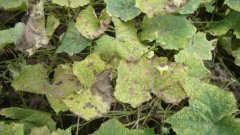
How to Treat Cowpea Fusarium Wilt? A Complete Guide to Prevention and Control Methods
Cowpea is a common vegetable on the market, and many people enjoy eating it, so how do you treat cowpea that has caught wilt disease? Let's take a look together. Cowpea (commonly known as "cai dou" in Taiwanese) has a growing season from April to September, and is an important edible pod vegetable in Taiwan, China, during the summer,
-
Cowpea Aliases and 2020 Price Trend Analysis
Cowpea is one of the vegetables we commonly eat in daily life, cultivated all over the country, with relatively high requirements for the growing environment. Cowpea is rich in certain nutritional value and has the effects of tonifying the kidneys and strengthening the stomach. Besides tasting good when eaten fresh, cowpea is also very appetizing when pickled into sour vegetables
-
How much is a jin of cowpeas? Detailed explanation of rust disease prevention and control methods
Cowpea is a vegetable rich in nutrients, with a crisp texture and many ways to prepare it, and it is deeply loved by consumers. Cowpeas are widely grown in the northern regions of China, can be sold on the market all year round, and have a strong ability to adapt to the growing environment. So what is the current
-
How to Treat Soilborne Diseases of Cowpea? A Detailed Guide to Prevention and Control Methods
Cowpea is a common vegetable in China, grown in almost every region, but during cultivation, soilborne diseases can occur. So how do you treat soilborne diseases of cowpea? 1. How to treat soilborne diseases of cowpea? Soilborne diseases of cowpea can be treated with 50% carbendazim wettable powder
-
What pesticides are used to control pests and diseases in cowpeas?
Cowpea is one of the common vegetables in daily life. It has strong adaptability, can be cultivated in the open field or under protected cultivation, and can also be produced year-round and marketed in all four seasons. So, what pesticides are used for cowpeas? Under normal circumstances, cowpeas do not need pesticides.
-
How are cowpea seeds dispersed?
Cowpea is one of the common vegetables in our daily lives. Inside its pod are the seeds, which are oblong or cylindrical or slightly kidney-shaped, and colored yellowish-white, dark red or other colors. So, how are cowpea seeds dispersed? 1. How does cowpea
-
Detailed Explanation of Key Techniques for Growing Cowpeas in Greenhouses
Summary Site selection and planting: Cowpeas should be planted on flat terrain with good permeability and good drainage, and sufficient base fertilizer must be applied after land preparation. Sowing time: Greenhouse cowpeas can be sown all year round. Reasonable close planting: Plant according to large and small rows, with a hole spacing of 27-30cm, and each
-
Detailed Guide to Cowpea Planting Methods and Cultivation Techniques
The cowpea is a warmth-loving food that is not tolerant of cold, so it is generally seen in summer. The cowpea has high edible value, and eating cowpeas regularly has the dietary benefits of supplementing nutrition and promoting digestion. This is also one reason people like it, and therefore many people want to grow
条件筛选