-

A Detailed Guide to Coprinus comatus Cultivation Techniques and Management Methods
Cultivating Coprinus comatus requires some cultivation raw materials, which are mixed according to a certain ratio. After the substrate is evenly mixed, the moisture content is adjusted to about 65%, and it is piled for fermentation according to conventional methods. Make beds inside a plastic greenhouse or in open fields, remove all the film from the fully colonized mushroom bags,
-
Latest Control Methods for Coprinus on Reishi Mushroom Explained in Detail
Coprinus is a common fungus harmful to reishi mushroom (Ganoderma). The cap is initially bullet-shaped or oval, jade white, grayish white or grayish yellow, with most of the surface covered in scaly hairs. After maturity the cap expands, the gills turn from white to black, and finally the cap autolyzes into an inky liquid, which can easily cause devastating
-
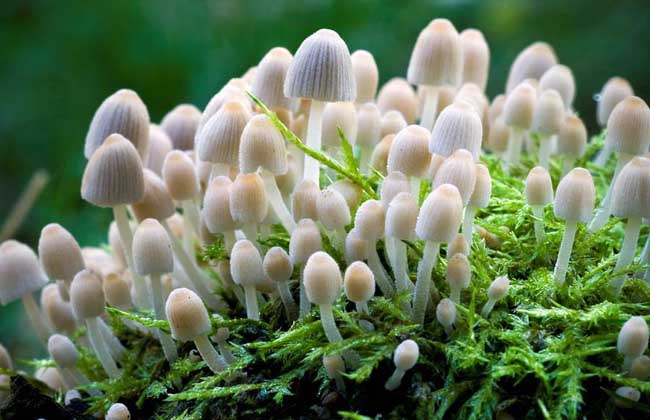
Control Methods and Technical Key Points for Coprinus Mushroom in Ganoderma lucidum Cultivation
Control Methods for Coprinus Mushroom in Ganoderma lucidum Cultivation
-

Key Technical Points for Cultivating Shaggy Mane Mushroom (Coprinus comatus) with Distiller's Grains
Distiller's grains are a good raw material for cultivating edible mushrooms. Their nutrient composition is suitable for the mycelial growth of shaggy mane mushroom (Coprinus comatus) and other mushrooms, which can both reduce the cost of edible mushroom production and solve environmental pollution. Distiller's grains contain a small amount of ethanol and active yeast that are harmful to mycelial growth, and are highly acidic, with a pH value of about 3-5. Choose fresh...
-
Ganoderma (Reishi) Cultivation Techniques: How to Control Coprinus Mushrooms When Growing Ganoderma?
How to control Coprinus mushrooms when growing Ganoderma? Please introduce 1. Morphological characteristics The common morphological features of Coprinus species are that the cap is initially bullet-shaped or oval, jade white, grayish white, or grayish yellow, and most of the surface has scaly hairs. The stipe is slender and hollow. After maturity, the cap expands, the gills change from white to black, and finally autolyze together with the cap into ink-like liquid. The spores are black, oval, and mixed within the ink-like liquid.
-
Key points of high-yield techniques for cultivating shaggy ink cap mushrooms (Coprinus comatus) with distiller's grains
Distiller's grains are a good raw material for cultivating edible fungi. Their nutrient composition is suitable for the mycelial growth of shaggy ink cap mushrooms (Coprinus comatus) and other fungi, which can both reduce the cost of edible fungus production and help solve environmental pollution. Distiller's grains contain a small amount of ethanol and active yeast that are harmful to mycelial growth, and are highly acidic, with a pH of about 3-5. Choose fresh...
-
Technical Key Points for Cultivating Coprinus comatus (Shaggy Mane Mushroom) with Biogas Residue
1. Substrate formula: 300 kg biogas residue, 200 kg corncobs, 10 kg superphosphate, 1.5 kg urea, 20 kg lime powder, 5 kg gypsum powder, 5 bags of Mushroom Disease Eliminator, and 240 g of the three-dimensional edible mushroom nutrient essence. 2. Substrate composting: Except for the three-dimensional nutrient essence, mix the corncobs directly with fresh biogas residue and auxiliary materials...
-
Detailed Explanation of Bag Cultivation Technology for Shaggy Mane (Coprinus comatus) Using Fermented Substrate
I. Cultivation Timing and Spawn Selection (1) According to the actual conditions of each mushroom grower, substrate production is carried out in winter, spring, and autumn respectively. Since shaggy mane has the characteristic of not fruiting without casing soil, spawn bags can be mass-produced during the slack farming season, and casing soil applied 20-30 days in advance according to market demand for fruiting. (2) Select varieties with plump fruiting bodies, moderate individual size, few scales, disease resistance, and high yield. For fresh sales, choose solitary-growing varieties; for salting, choose cluster-growing varieties. II. Substrate Formulas Formula 1: cottonseed hulls 58%, corncob 30%, nitrophosphate-potassium 2%
-
How does the Coprinus mushroom disease occur?
Coprinus belongs to the Basidiomycotina, Hymenomycetes, Agaricales, Coprinaceae, genus Coprinus. Common species include Coprinus atramentarius (Bull.) Fr., Coprinus fuscescens (Schaeff.) Fr., Coprinus comatus (Muell. ex FX.) Gray (shaggy mane), Coprinus sterquilinus Fr., and Coprinus micaceus (Bull.) Fr.
-
条件筛选