Control Methods and Technical Key Points for Coprinus Mushroom in Ganoderma lucidum Cultivation
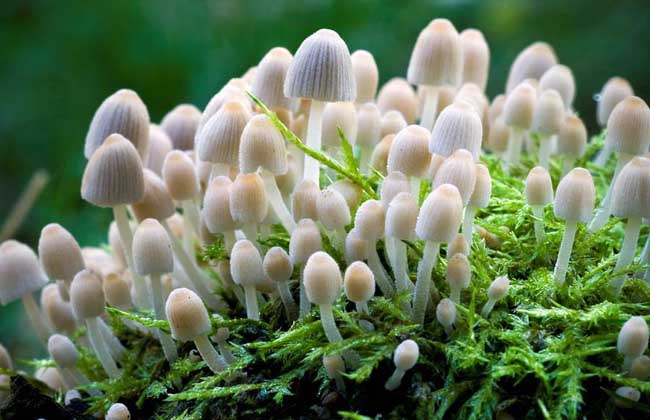
Coprinus mushroom is a common fungus harmful to Ganoderma lucidum. Its cap is initially bullet-shaped or oval, jade white, grayish white or grayish yellow, and most of its surface is covered with scaly hairs. After maturity, the cap expands, the gills turn from white to black, and finally the cap autolyzes with the gills into an ink-like liquid, which can easily cause devastating disasters to Ganoderma lucidum. Let us take a look at the control methods for Coprinus mushroom in Ganoderma lucidum cultivation!
Symptoms of Coprinus Mushroom Damage in Ganoderma lucidum Cultivation
Before the fruiting bodies of Coprinus mushroom appear, there are no obvious symptoms. After the fruiting bodies emerge from the substrate surface, many small gray-black umbrella mushrooms can be seen. They grow extremely fast, are ephemeral, and cover the entire bed surface. This fungus can be seen occurring in soil-casing cultivation of Ganoderma lucidum, competing with Ganoderma lucidum for water and nutrients, causing reduced yield or total crop failure.
Occurrence Patterns of Coprinus Mushroom in Ganoderma lucidum Cultivation
1. Transmission routes: Coprinus mushroom often occurs on horse, cattle and sheep manure, compost, and poorly fermented material piles. Moldy or damp rice straw, cottonseed hulls and other raw materials also often carry large amounts of Coprinus mushroom spores. It spreads through air and spore-carrying substrates and casing materials. Once Coprinus mushroom has occurred, it rapidly autolyzes after opening its cap and spreads again with the ink-like liquid.
2. Occurrence conditions: In terms of nutrition, adding too much nitrogen source to the culture material, or excessive fermentation that produces acid and releases excessive ammonia. It prefers high-temperature and high-humidity environments, mostly occurring in hot summer and on moist substrates. Acidic environments very easily induce mass occurrence of Coprinus mushroom.
3. Growth characteristics: Coprinus mushroom grows fast, appears early and has a short cycle. For example, Coprinus radiatus takes about 7 hours from fruiting body formation to cap opening, about 8 hours from cap opening to autolysis of the fungal body, and only 24 hours from fruiting body formation to complete autolysis. It produces many spores, has strong reproductive capacity and strikes fiercely. A single Coprinus comatus releases more than 5 billion spores. Once it occurs, it can easily cause devastating disasters.
Control Methods for Coprinus Mushroom in Ganoderma lucidum Cultivation
1. Select dry, fresh, mold-free raw materials and sun-dry them for 2 days before use. When stacking and fermenting raw materials, the material temperature must reach above 70°C and the pile must be turned promptly. The carbon-to-nitrogen ratio and moisture content of the formula must be reasonable.
2. Before casing, the soil must be fumigated with a 5% formaldehyde solution in a sealed treatment.
3. Once Coprinus mushroom occurs, it should be promptly pulled out and burned or deeply buried before its cap opens.