-

What are the comprehensive prevention and control measures for hemorrhagic disease of farmed fish?
I. Affected species: grass carp, crucian carp, mud carp, common carp, and even silver carp. II. Symptoms: punctate or patchy hemorrhages on the head, orbit, fin base, and abdomen of the fish body, gill filaments bleeding or pale, sometimes ascites, and rotting at the ends of fin rays. III. Causes: 1. Fish diseases caused by bacteria are mostly caused by conditional pathogenic bacteria, and will not occur before the water environment has deteriorated. Only when various factors in the substrate and water body become unsuitable for the survival of fish, reducing the fish body's resistance, and at the same time water
-
What kind of fish is bigeye tuna? A comprehensive guide
Bigeye tuna (BigeyeTuna), also known as stout tuna and obscure tuna, has a body length of about 1.5-2.0 m, with large individuals weighing over 100 kg, and generally 16-35 kg. The back is blue-green, and the sides and belly are silvery white. The flesh is pink and slightly soft. The pectoral fins are long, with very prominent tips reaching below the second dorsal fin; the second dorsal fin is also relatively narrow, similar in height to the first dorsal fin. The body is gray, plump, with a short tail and a noticeably larger head and eyes. Habitat depth of bigeye tuna
-
Detailed Explanation of the Comprehensive Ecological Fishery Technology Model in Northern China
Ecological fishery refers to a farming model based on the principle of symbiotic complementarity between fish and other organisms, utilizing the land-water material circulation system, and adopting corresponding technical and management measures to maintain ecological balance and improve farming efficiency. Developing ecological fishery can make full use of local resources, recycle waste, save energy, improve comprehensive ecological benefits, and achieve sustainable development of fisheries. 1. Fish-Grass Model The fish-grass combination type is a relatively common fish farming model, generally with 200-300
-
Comprehensive Midwifery Measures for Farrowing Sows Explained in Detail
Assisting sows during farrowing is the most important part of pig farming. It affects the survival rate of piglets at birth, their future disease resistance and growth rate, and directly influences the profitability of pig farming. During more than ten years of managing breeding pig farms, the author has always used manual attendance during farrowing and has summarized the following experience, which has achieved extremely high pig-farming returns in practical application. This experience is provided for everyone's reference: 1. Prepare all the medicines and instruments needed for sow farrowing: 75% disinfectant alcohol and 2% iodine tincture; large
-
What is chronic hepatitis in dogs? A comprehensive guide in one article
It is mostly caused by the transformation of acute hepatitis or other pathogenic factors. It can be divided into chronic persistent hepatitis and chronic active hepatitis. Clinical symptoms include loss of appetite, weight loss and mild jaundice. Treatment is based on the principles of suppressing inflammation and protecting the liver. [Prescription 1] 10% sodium dehydrocholate injection 2-5ml. Usage: intravenous drip once. Once every other day, for 4-6 consecutive times. Note: used for persistent hepatitis. [Prescription 2] (1) 5% glucose
-
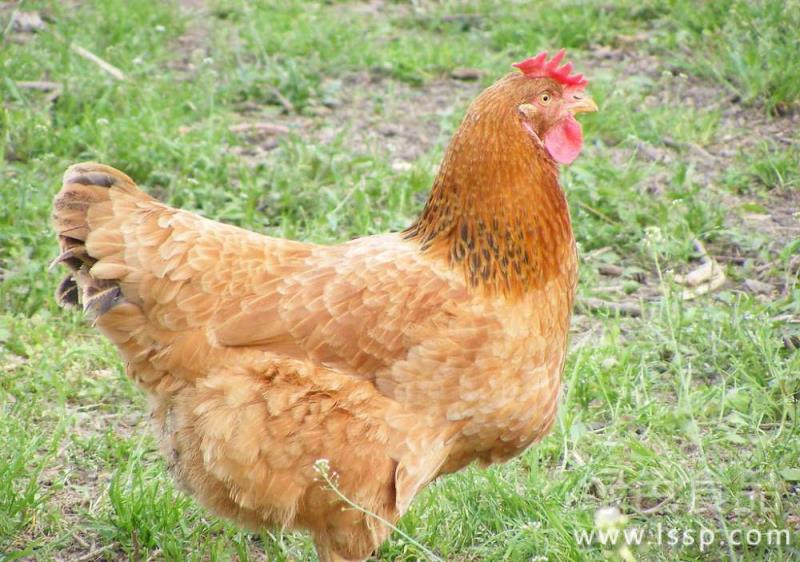
Chicken proventriculitis has many complications and a high mortality rate. How can it be comprehensively prevented and treated?
Proventriculitis has many complications and causes high mortality. Comprehensive prevention and treatment methods for chicken proventriculitis.
-
Impatiens variety introduction, a comprehensive guide in one article
1. Top-headed impatiens, also known as cut-top impatiens. It is a variety of Impatiens balsamina. Flowers are terminal on the main stem or branch tips. Flowers are large and double. Branches spread out, forming a bushy plant. 2. Dwarf impatiens is a variety of Impatiens balsamina. The plant is relatively short, with a height of 20-30 cm. 3. Dragon-claw impatiens is a variety of Impatiens balsamina. The side branches are winding and extend horizontally. 4. Impatiens walleriana, also known as glass emerald. It is a common species in the same genus. A perennial herbaceous plant, mostly grown as an annual or biennial. Plant height 20-30 cm. Stems are semi-transparent, fleshy, thick, and much branched. Leaves are ovate
-
Comprehensive Analysis of Key Points of Garlic Sowing Techniques
Garlic is an essential seasoning in daily life. In recent years, garlic has become a worldwide vegetable, and its price is relatively high. Now the garlic sowing season has arrived again. The following is a brief introduction to garlic sowing techniques for the reference of farmer friends. 1. Select good varieties. At present, the varieties planted more in our county mainly include Songcheng garlic, Songcheng white garlic and Cangshan garlic, etc. Songcheng white garlic is the preferred variety for export, and Cangshan garlic belongs to a mid-to-late maturing variety used for both scapes and bulbs. Select garlic seeds with medium size, few cloves, no mildew and no insect damage
-
Intercropping melons and peppers in cotton fields yields high comprehensive benefits
Xinchang Town in Shishou City, Hubei Province, located in the middle reaches of the Yangtze River, is a major cotton-producing area, with 23,250 mu of cotton planted year-round. In recent years, the town has actively optimized its planting structure, explored and applied the model of intercropping melons (or peppers) in cotton fields, achieving multiple harvests per year and multiple income sources from one field, improving the overall benefits of cotton fields, and blazing a successful trail in planting structure adjustment. In the past, the town planted cotton alone, generally producing 87 kg of lint cotton per mu, with an output value of 940 yuan. According to a 2002 survey, however, the town's cotton-melon (pepper) intercropping model produced output values of 315
-
Detailed Explanation of the Harm Caused by Duck Influenza and Comprehensive Prevention and Control Methods
Duck influenza is a highly lethal infectious disease caused by type A influenza virus that can infect ducks of all breeds and all ages, and it is currently the most serious disease harming the duck farming industry. 1. Epidemiological characteristics People used to generally believe that waterfowl were only carriers of influenza virus and did not become ill. However, since the mid-1990s, the fact that ducks infected with highly pathogenic influenza virus became ill and died broke the traditional understanding of duck influenza. Ducks are not only highly susceptible to influenza, but can also horizontally transmit it to terrestrial poultry and become a source of infection for their influenza. This is a trend that should be taken very seriously at present.
条件筛选