Chicken proventriculitis has many complications and a high mortality rate. How can it be comprehensively prevented and treated?
The main features of chicken proventriculitis are stunted growth, emaciation, uneven size, enlarged proventriculus, and erosion of the proventricular papillae. The disease has an early onset, a long course, and a high incidence rate, and mortality is closely related to secondary infections. Early clinical symptoms are not obvious, and in the later stages secondary infections with Escherichia coli, Mycoplasma, Newcastle disease, coccidia, enteritis and other diseases occur, causing the mortality rate to rise.
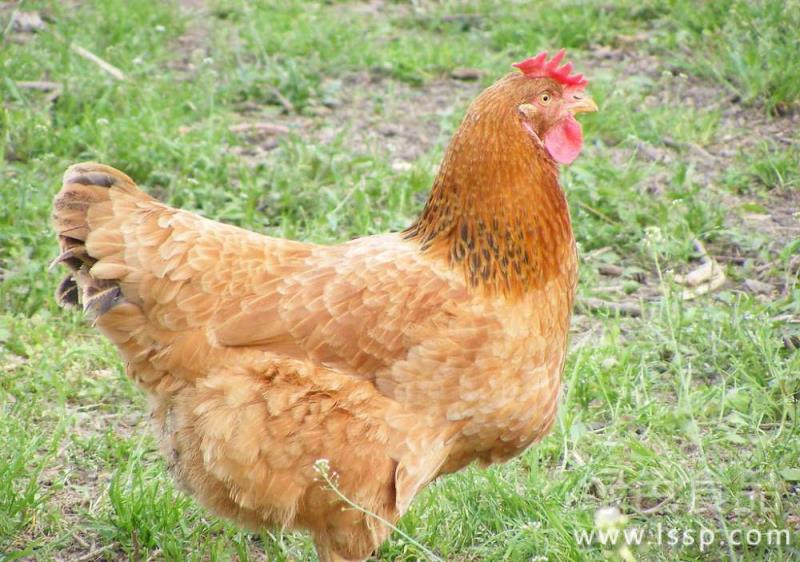
Chicken
Clinical symptoms
In the early stage of infection, the chickens are listless, with the head drawn in and tail drooping, ruffled and untidy feathers, reduced feed and water intake, and delayed growth. Weight gain is slow, and the egg production rate declines. Most sick chickens pass white, white-green, or yellow-green loose droppings, and some pass green droppings; the droppings contain undigested feed, and the feathers around the vent are soiled with droppings. When secondary infections occur in the later stage, there are obvious respiratory symptoms, including coughing, open-mouth breathing, and rales; in large flocks, snoring sounds can be heard, and there is swelling of the eyes and tearing. In the middle and late stages of the disease, the respiratory symptoms disappear, and the sick chickens are depressed, averse to cold, stand still with eyes closed, are easily startled, have a shrunken neck and drooping tail, drooping wings, and ruffled and untidy feathers. They often lie on the ground unable to rise, and their feed and water intake decreases. In some sick chickens, there is fluid accumulation in the crop and swelling of the neck; the sick chickens progressively become emaciated, and a small number of sick chickens may develop lameness and eventually die of exhaustion.
Comprehensive prevention and control measures
Feed quality control. The main causes of chicken proventriculitis are mycotoxins in the feed and some unqualified animal-derived raw materials, such as meat-and-bone meal. Therefore, the key to preventing and controlling chicken proventriculitis is to prevent mycotoxin poisoning and the use of some unqualified animal-derived raw materials. Let the chickens eat fresh feed. When feed freshness cannot be guaranteed, Likang can be added to the feed at a ratio of 0.1%, which can detoxify and remove toxins, support intestinal health, protect the liver and kidneys, and prevent chicken proventriculitis.
Avoid stress in chickens. Among various factors, changing feed and injecting infectious bursal disease vaccine have a great impact on the chicken intestine, and chickens are prone to diarrhea. For healthy chickens, suddenly changing feed, injecting vaccines, and other practices that alter the original intestinal environment can easily cause diarrhea and other problems. Therefore, during the feed-changing period and after inoculation with infectious bursal disease vaccine, use intestinal-regulating drugs for prevention, maintaining the health of the chicken gastrointestinal tract to reduce the incidence of proventriculitis.
Early diagnosis and early treatment. If the disease has been present for a long time, the best treatment opportunity will be lost, and the loss will outweigh the gain. When chickens are found to eat slowly and pass feed-containing droppings, do not respond to long-term treatment, and yet there is no high death-and-culling rate, it should be considered that the chickens are infected with proventriculitis. Use drugs that can increase feed intake, repair damaged digestive tract mucosa, resist bacteria and inflammation, and enhance immunity. At the same time, it is necessary to promote the excretion of toxins from the chicken body and protect the liver and detoxify. Generally, comprehensive medication treatment with compound vitamin B, cod liver oil, cimetidine, Ganlitui, Xianweikang and other drugs is often chosen.