-

Introduction to several common propagation methods for lotus root
-- Lotus seed propagation. Since lotus seeds are covered with a hard shell, first crack the sunken end of the shell, then soak it in water at 26-30°C to promote germination. Once the sprout grows, it must still be kept in water to prevent dehydration and shriveling. When it reaches 4 leaves and 1 runner, it can be planted out in the field. Because lotus seed propagation grows slowly in the early stage, seedlings must be raised in a protected area 1 month in advance to form lotus root of commercial value in the same year. -- Whole lotus root propagation. Plant the entire main lotus root together with its daughter lotus roots and granddaughter lotus roots at a certain row and plant spacing. The planting method is to insert the top end
-
Detailed Explanation of Integrated Prevention and Control Techniques for Common Pig Diseases
The integrated prevention and control techniques for common pig diseases target major epidemic diseases that plague the development of the pig farming industry in the Beijing suburbs, such as porcine foot-and-mouth disease, swine fever, porcine parvovirus, swine enzootic pneumonia, and swine Escherichia coli. Practical and feasible integrated prevention (treatment) techniques have been researched and formulated. The core techniques are: integrated epidemic prevention techniques for large-scale pig farms; immunization and antibody monitoring techniques for important pig farm epidemic diseases; rational drug use for pigs and disinfection techniques for the pig farm environment and the interior and exterior of pigs. Over the years, promotion and application in more than 2,000 large-scale pig farms in the Beijing suburbs have achieved good results, reducing pig death and culling
-

How to Identify Panama Disease in Bananas: A Detailed Guide to Symptom Recognition
The bananas commonly seen in supermarkets are also prone to the disease known as "Panama disease," which has earned the nickname of banana cancer. Panama disease has no cure, severely impacting banana farmers' income and also affecting the stability of supply for Taiwan bananas sold to Japan. At one point, Taiwan's banana planting area dropped from 50,000 hectares to 9,000 hectares. Let's take a look below.
-

What Types of Cycads Are There? Introduction to Common Varieties
Cycads are a rare plant group in the world, with 24 extant species. Those commonly seen in gardens include: Cycas rumphii, Cycas szechuanensis, Cycas panzhihuaensis, Cycas micholitzii, Cycas multipinnata, Zamia cycads, and others
-

What types of yellow allamanda are there? A detailed introduction to common yellow allamanda varieties
Yellow allamanda belongs to the genus Allamanda in the family Apocynaceae. This genus has 15 species, distributed in tropical America. The common species and cultivated species introduced and grown in China include: yellow allamanda, willow-leaved allamanda, double-flowered willow-leaved allamanda, small-leaved willow-leaved allamanda, white allamanda, and purple allamanda. Yellow allamanda is an evergreen shrub. Leaves are 3-5 in whorls, ovate-lanceolate, with entire margins
-
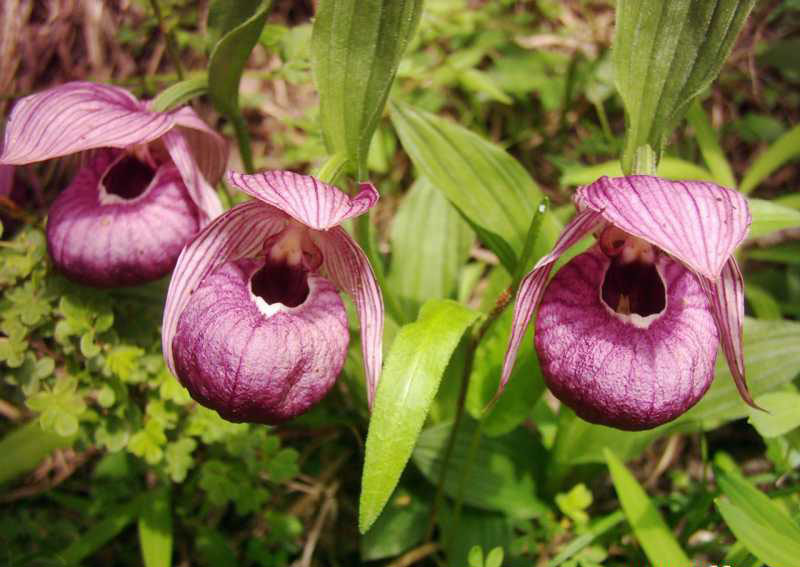
What are the common cultivated varieties of Paphiopedilum?
Paphiopedilum is also known as the slipper orchid. Its flower shape is unusual: every petal has stripes or spots, and the lip is modified into a rounded pouch that closely resembles the front of a slipper, which is how it got its name. Most Paphiopedilum species are terrestrial orchids, while a few are epiphytic. Paphiopedilum flowers come in rich colors, the blooms are long-lasting, and some species flower in all four seasons. There are more than 10 species native to China.
-

What varieties of Spatholobus suberectus are there? Detailed introduction to common varieties
What varieties of Spatholobus suberectus are there
-

What are the common misconceptions in flowerhorn cichlid keeping?
Misconceptions in flowerhorn cichlid keeping
-
What are natural enemy insects? An introduction to common natural enemy insects such as green lacewings
What are natural enemy insects, what characteristics do they have, what do they mainly eat? Using natural enemy insects to control pests is a special control method that can reduce environmental pollution and maintain ecological balance. The mass rearing and use of natural enemy insects in China have achieved remarkable
-

How to Propagate Daylilies? A Detailed Guide to Common Propagation Methods
Propagation Methods for Daylilies
条件筛选