-

Detailed Guide to Winter Jasmine Propagation Techniques: Common Methods and Key Points
Winter jasmine (Jasminum nudiflorum) grows rapidly and is very suitable for making bonsai. Select a thick, sturdy old winter jasmine stump, plant it in a cylindrical pot, expose the roots and claws, bind it moderately, and let the trunk droop; within just a few years, an elegant and graceful cascade-style bonsai can be formed. Alternatively, select a small stump about the thickness of a thumb, wrap the lateral roots around a rock, and bury it in soil
-
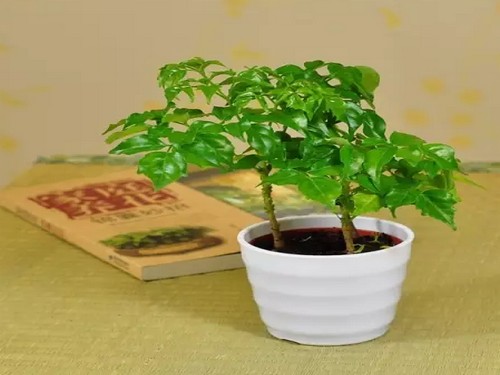
How to Propagate the Radermachera (China Doll)? A Detailed Guide to Common Propagation Methods
The main propagation methods for the Radermachera are seed propagation, cutting propagation and layering propagation. High-quality Radermachera seedlings are mainly propagated from seed, generally using plug trays with about 50 cells, sowing 10-15 seeds per cell. When the seeds germinate, they usually do not need to be covered with anything. However, to ensure the humidity needed for germination
-
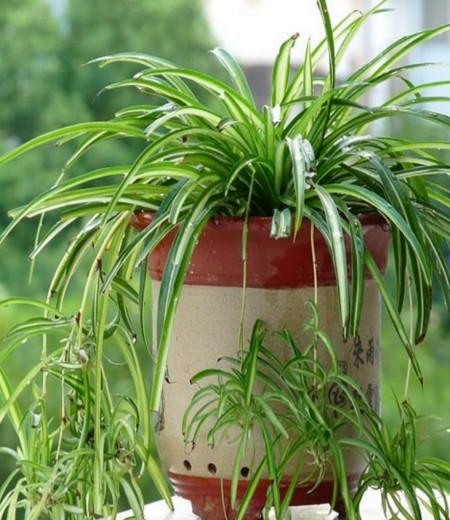
How to Propagate Spider Plants? A Detailed Guide to Common Propagation Methods
Spider plants can be propagated by cuttings, division, and sowing. Cutting and division propagation can be done anytime from spring to autumn. Spider plants are highly adaptable and have a high survival rate, so they are generally very easy to propagate. For cuttings, simply take a 5-10 cm stolon with new shoots and insert it into the soil; roots will form in about a week
-
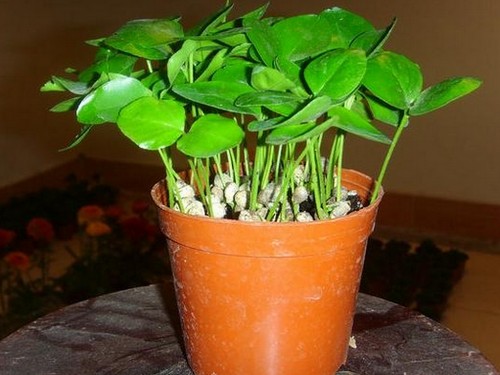
How to propagate orange jasmine (Murraya paniculata)? A detailed introduction to common propagation methods
Orange jasmine (Murraya paniculata) is an aromatic plant that can keep a rich, long-lasting fragrance indoors. Its branches and leaves are elegant, and it is an evergreen plant, so placing it indoors creates a very strong ornamental effect. People often use it for indoor decoration, making the whole room look fresh and pleasant, and this plant, orange jasmine, plays no small part in that.
-
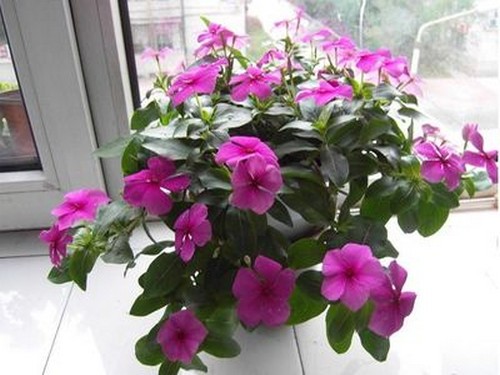
How to Propagate Catharanthus roseus? A Detailed Guide to Common Propagation Methods
Catharanthus roseus has a long flowering period, bright colors and graceful form. In recent years, cultivated varieties have produced increasingly larger flowers, making it very suitable as a potted ornamental plant with unexpected effects in home decor. Catharanthus roseus prefers warm, sunny conditions and moist, fertile sandy loam. In hot summers, it should not be exposed to strong sunlight.
-
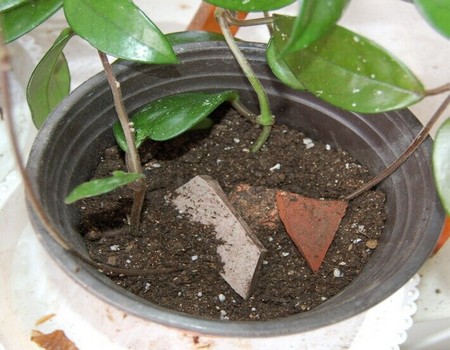
How to Propagate Hoya? A Detailed Guide to Common Propagation Methods
Growing hoya is about as easy as it gets, with a very high payoff. Although some varieties grow slowly, most are vigorous and bloom easily. The external characteristics of hoya vary greatly; some look like small shrubs, while others are like Spider-Man with large leaves. Unlike common plants, hoya always blooms on the same peduncle.
-
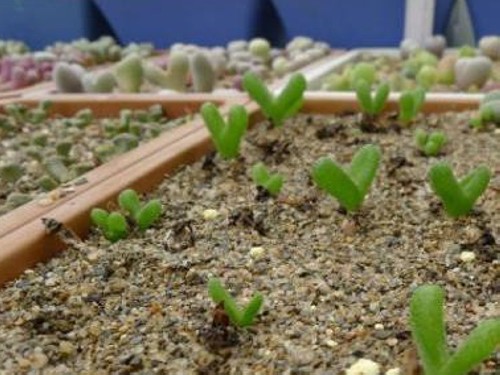
How to propagate society garlic? Introduction to common propagation methods
Society garlic (Tulbaghia violacea) belongs to the Amaryllidaceae family as a perennial herbaceous plant, a bulbous flower, with a plant height of 30-50 cm, bearing cylindrical small bulbs, and forming clumps as mature plants. Apart from the flower color differing from Chinese chives (Chinese chives generally have white flowers, while this flower is purple), its other characteristics are all similar to Chinese chives.
-
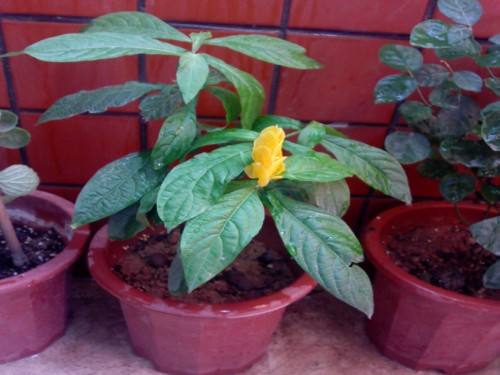
How to Propagate Golden Shrimp Plant? A Detailed Guide to Common Methods and Techniques
Golden shrimp plant (Pachystachys lutea) is an evergreen subshrub of the family Acanthaceae, with swollen stem nodes, opposite leaves, and long oval leaves with prominent veins. It gets its name from the yellow spike inflorescences at the tips of its stems, whose bracts are layered in overlapping tiers and from which small white flowers emerge, resembling the body of a shrimp. In the south it is used for bedding displays. In warm regions it can be planted in gardens, while in the north it is grown as a greenhouse potted flower
-
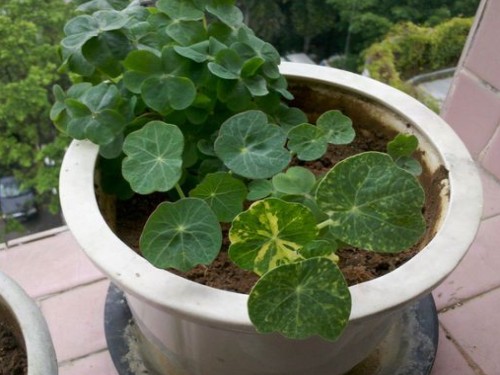
How to Propagate Nasturtium? A Detailed Guide to Common Propagation Methods
Nasturtium (Tropaeolum majus) is a perennial trailing herbaceous flowering plant in the family Tropaeolaceae, genus Tropaeolum. The stem is fleshy and hollow, light grayish-green, with alternate simple leaves and long petioles, peltate and circular with entire, wavy margins. Flowers are borne terminally on slender, zygomorphic peduncles that emerge from the leaf axils, in yellow, red, orange, purple, creamy white, and bicolor. The fruit is pale whitish-green
-

Common pests and diseases of magnolia and orchid planting, fresh-keeping, storage and transportation techniques
Common pests and diseases of magnolia and their control techniques
条件筛选