-

The Latest Complete Guide to Growing and Caring for Chinese Pistache (Qingxiangmu)
Qingxiangmu (Chinese pistache, Pistacia chinensis) belongs to the genus Pistacia in the Anacardiaceae family. It tolerates drought and poor soil, has a well-developed root system and strong resistance, and is a pioneer tree species for afforestation and greening in dry-hot river valley areas, as well as the main fuelwood species there. Qingxiangmu has a beautiful tree shape and a fresh fragrance, and offers a variety of edible and medicinal functions.
-
Can Qingxiangmu (Chinese pistache) actually be kept in the bedroom?
Qingxiangmu is also known as Qingxiang tree, thin-leaved Pistacia chinensis, fragrant leaf, etc. It is an evergreen shrub or small tree of the genus Pistacia in the family Anacardiaceae. It gets its name because when the leaves are picked or rubbed, they give off a fresh fragrance resembling a mix of Sichuan pepper and citrus. In recent years, it has become increasingly popular as a small foliage potted plant.
-
How is Chinese pistache best pruned? A detailed guide to pruning methods
Chinese pistache is an evergreen shrub or small tree in the cashew family (Anacardiaceae), genus Pistacia, also known as Qingxiang tree, fine-leaved pistache, fragrant leaf, etc. Its leaves are fine and dense and emerald green, new leaves are red, and the branches are slender and quite lovely. Together with its fresh fragrance, it has in recent years become a small ornamental foliage potted plant,
-
A Detailed Guide to the Latest Maintenance and Management Methods for Chinese Pistache Bonsai
Because the leaves of Chinese pistache contain a relatively high level of volatile aromatic oils, they can release a rare and unusual olive fragrance into the air, and the leaves can also adsorb and absorb large amounts of harmful gases such as SO2 and coal smoke from the air. As an indoor bonsai, placed on a desk, windowsill, balcony, and other such places,
-
Is the wood of the deciduous tree Chinese pistache expensive? What is the latest price roughly? How much does a sapling cost per tree? What are the planting techniques and methods?
Chinese pistache, also known as kai wood, kai tree, yellow bead tree, medicine tree, medicine wood, xi wood, kong wood, cockscomb fruit, is a deciduous tree reaching 25-30m tall. So is Chinese pistache wood expensive? What is the latest price roughly? How much does a sapling cost per tree? What are the planting techniques and methods?
-
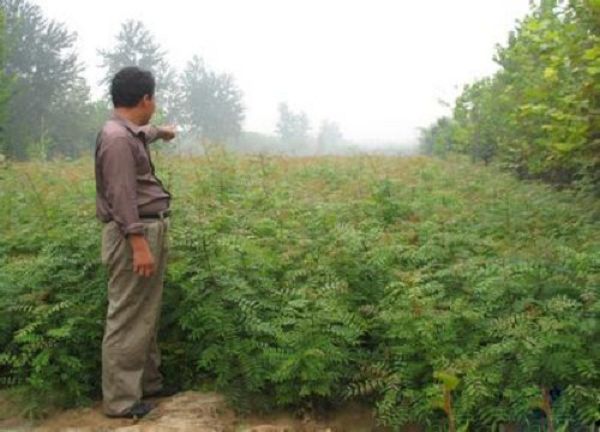
A Detailed Guide to the Maintenance and Management Methods of Chinese Pistache Bonsai
Maintenance and Management of Chinese Pistache Bonsai
-
-
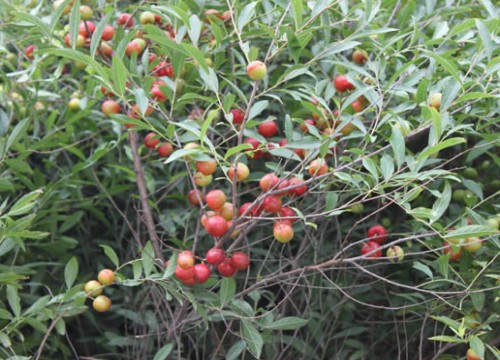
How to grow Chinese pistache in pots? Detailed explanation of sowing methods and cultivation and propagation techniques
In recent years, whenever late autumn comes, there are always people keen to travel elsewhere to admire red leaves. In fact, our native red-leaf tree, the Chinese pistache, has leaves even more brilliantly beautiful than those of the smoke tree, sweetgum, and maple from other places. So, how do you sow seeds to make a Chinese pistache bonsai?
-
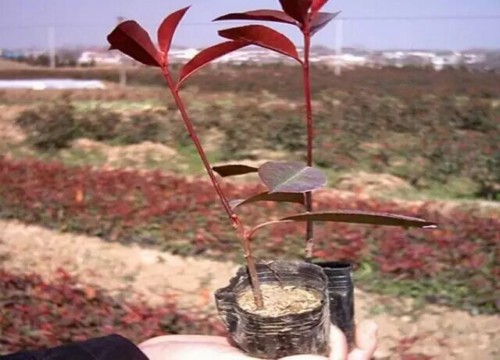
Detailed Explanation of Key Techniques for Raising Chinese Pistache (Pistacia chinensis) Bonsai Seedlings
In recent years, influenced by the market and seedling-raising techniques, demand for Chinese pistache (Pistacia chinensis) seedlings has continued to rise. In order to effectively carry out base construction and form a large-scale production and processing industry chain for Chinese pistache as soon as possible,
-
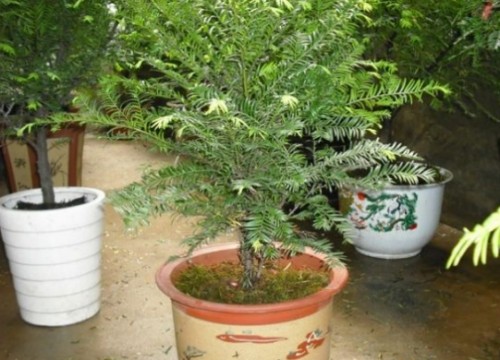
How to shape a Chinese pistache bonsai? A full analysis of practical techniques
The wood of the Chinese pistache is hard in texture and fine in grain, and can be used for construction, farm tools, furniture and carving. Its crown is tall and rounded, and its leaves are slender and graceful; after autumn the leaves turn bright red and the fruits are blue and red intermixed, so it can also serve as an ornamental greening tree for cities. Its young leaves can be made into tea, and its bark and stems can be used as medicine
条件筛选