Frequent leaf drop in Chinese pistache is related to watering, light, and environmental changes
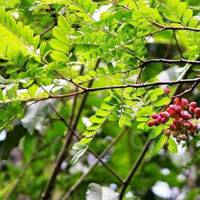
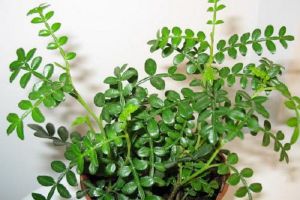
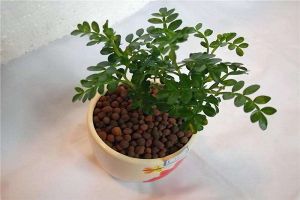
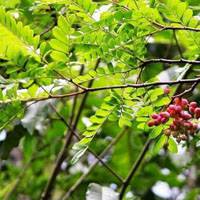
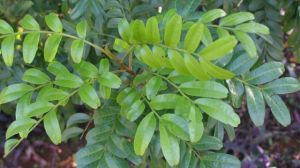
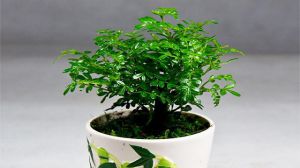
Chinese pistache (Pistacia chinensis) is an evergreen shrub or small tree in the Anacardiaceae family, genus Pistacia. Its leaves give off a light fragrance when rubbed, and it is often grown at home as a bonsai or foliage plant. If you run into leaf drop while caring for it, there is no need to panic right away. Plants naturally shed a small number of old leaves that turn yellow during metabolism, which is normal. As long as new leaves are still sprouting normally, the plant is in reasonably good overall condition.
If the number of fallen leaves is large and the pace is fast, it is most likely related to routine care. Overwatering is the most common cause. Chinese pistache fears waterlogging, and soil that stays wet for a long time prevents the roots from breathing properly, which over time easily leads to root rot and leaf drop. Conversely, forgetting to water for a long time or air that is too dry can also cause leaves to dry up and fall off from lack of water.
Environmental factors cannot be ignored either. Chinese pistache likes light, and keeping it in a dark corner for a long time can easily cause leaf drop due to insufficient light. In winter, temperatures that are too low or direct exposure to cold wind can also cause leaves to freeze and drop. In addition, a plant that has just been brought home or just repotted needs time to recover and adapt, and a small amount of leaf drop during this period is fairly common. Moving it around frequently will instead make the leaf drop worse.
To reduce leaf drop, the key is stable care habits. Keep the potting soil loose and breathable, and follow the principle of not watering until the soil is dry, and watering thoroughly when you do. Place it in a spot with bright, indirect light and good ventilation. Fertilize lightly rather than heavily to avoid burning the roots with concentrated fertilizer. Once you identify the specific cause and adjust accordingly, the plant will usually gradually recover its vigor.
Related Reading