A Detailed Guide to the Maintenance and Management Methods of Chinese Pistache Bonsai
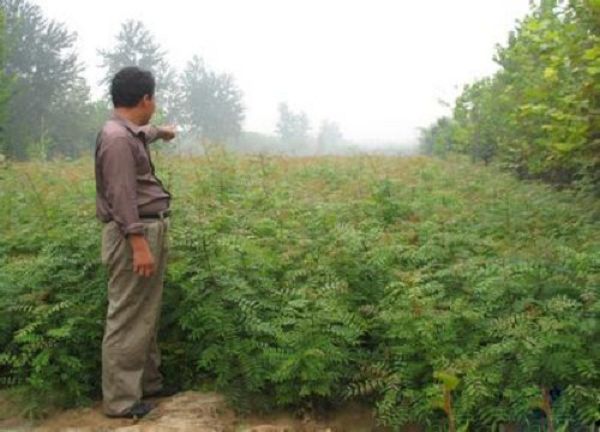
Because the leaves of Chinese pistache (Pistacia chinensis) contain a relatively high level of volatile aromatic oils, they can release a rare and peculiar olive fragrance into the air, and the leaves can also adsorb and absorb large amounts of harmful gases such as SO2 and coal smoke from the air. As an indoor bonsai, placed on a desk, windowsill, balcony, or similar spot, it can effectively purify and freshen the air, which is beneficial to people's physical and mental health.
As long as you follow the methods below, after several years (usually 6 to 8 years) of cultivation, shaping, and careful maintenance of the Chinese pistache, you can produce a bonsai with an excellent canopy for viewing.
Chinese pistache likes light, loves warmth, and fears severe cold; seedlings tolerate sun. A finished bonsai should be placed in a spot with ample sunlight, good ventilation, and moisture. In summer, it must not lack water or be exposed to scorching sun, and in winter it should be moved into a greenhouse or a well-sealed balcony inside a building to overwinter. Usually, take care to keep the potting soil moist.
During the growing period, fertilizer and water management should be strengthened, applying a thin cake fertilizer or rotted human waste once every 20 to 30 days. In every growing season, attention should be paid to pinching the tops of the plants to limit height, promoting the plants' development toward a short and sturdy form.
The bonsai should be pruned promptly in autumn and winter. According to different viewing requirements, use methods such as thinning, short pruning, and renewal pruning to cut off excess side branches, parallel branches, crossing branches, overly dense branches, leggy branches, and dead branches, highlighting the main trunk and filling out the viewing branches, so that it has a higher artistic style.
Chinese pistache is dioecious, so when making a bonsai, attention should be paid to matching female and male plants in proportion. It is also possible to graft male buds onto female branches and combine this with artificial pollination to increase the fruit-setting rate and seed-setting rate, so that the same bonsai can simultaneously achieve the multiple effects of viewing leaves, flowers (female and male inflorescences), fruit, and the tree stump.
Chinese pistache has strong stress resistance, tolerates drought and barren soil, and is not strict about soil requirements; it is deep-rooted, strongly resistant to wind, and has strong sprouting ability; it is relatively resistant to sulfur dioxide, hydrogen chloride, and coal smoke. The volatile aromatic substances contained in the leaves and bark have a strong insect-repelling and insect-killing effect, and it rarely suffers from diseases and insect pests.