-

How to plant Boston ivy? Planting methods and techniques illustrated
Boston ivy (Parthenocissus tricuspidata) is a climbing plant in the grape family (Vitaceae). If you do not give it something to climb on while it grows, its stems and leaves can only spread over the ground, like a brocade quilt draped over the earth, which is why Boston ivy is also called "ground brocade." It can use the suckers on its branches to firmly attach to the surfaces of walls, rocks and other objects.
-

How to plant Boston ivy? Growing methods and precautions, never let water accumulate
Boston ivy is a plant with very strong vitality. It is well suited to extensive management, and it can be grown well without much effort. Of course, the premise is mastering the correct techniques to bring out the effects and uses of Boston ivy. So how do you plant Boston ivy? Let's look at the growing methods and precautions for Boston ivy.
-

Boston ivy pest and disease control methods: 3 diseases and 1 pest, prevention starts with daily care
Although Boston ivy is very easy to grow and highly adaptable to its environment, it can sometimes be troubled by pests and diseases. Once prevention and treatment are not done well, it can easily cause the plant to wither and die, and the efforts of many years of cultivation will be wasted
-
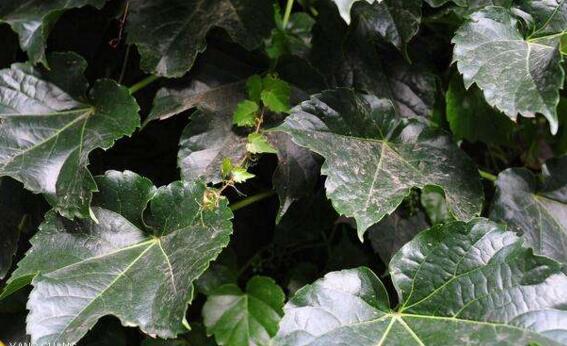
How Does Boston Ivy Reproduce? A Complete Guide to Cuttings, Sowing, and Layering
Gardeners who have grown Boston ivy know that its planting method is very simple, but one aspect is easily overlooked and not well understood by some gardeners, and that is propagation. When we want to grow a few more pots, how does Boston ivy reproduce? Below, let us learn together about the complete guide to Boston ivy propagation methods.
-

-
Can Boston ferns be grown hydroponically? Read this and you'll understand
Boston ferns can be grown not only in soil but also hydroponically, and the hydroponic method is even simpler. The above is an introduction to whether Boston ferns can be grown hydroponically; below we'll look at the planting methods and cultivation techniques for Boston ferns
-
Boston Fern: Detailed Guide to Planting Methods and Cultivation Techniques
Generally placed indoors in bright, indirect light for growing; it must not be exposed to direct strong sunlight, but it also should not be kept in a dark place. The optimal growing temperature is 15-25°C, and in winter it can overwinter safely at temperatures above 10°C. Although it is drought-tolerant, it still needs plenty of moisture, and should not be too wet or too dry; the potting soil should be kept constantly moist.
-
Are Boston fern and sword fern the same kind of fern?
Boston fern and sword fern are not the same kind of fern. The Boston fern has upright rhizomes and relatively ordinary fronds, and is a trailing foliage plant. The sword fern's fronds are covered with scales and made up of irregular leaflets, but its overall appearance is still similar to the Boston fern. The only biggest difference lies in
-
A Detailed Guide to Propagating Boston Fern by Division
When to Divide Boston Fern Boston fern can be divided in spring, summer and autumn; divisions in early spring, in April-May, can be done together with repotting. How to Divide Boston Fern In early summer, the stolons growing from the plant grow rapidly and produce small plantlets with roots
-
Is the Boston fern suitable for growing indoors?
As mentioned above, the Boston fern is not only non-toxic but also able to purify the air, so it is very suitable for growing indoors, helping people absorb harmful gases and playing a role in ensuring air quality and human health. Therefore, the Boston fern is especially suitable for placing in a newly renovated home. In addition
条件筛选