Boston Ivy Planting Methods and Care Tips Explained in Detail
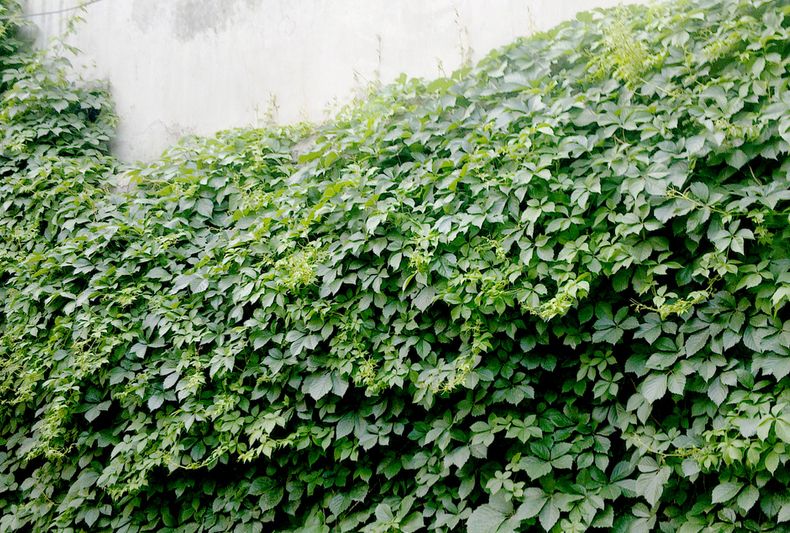
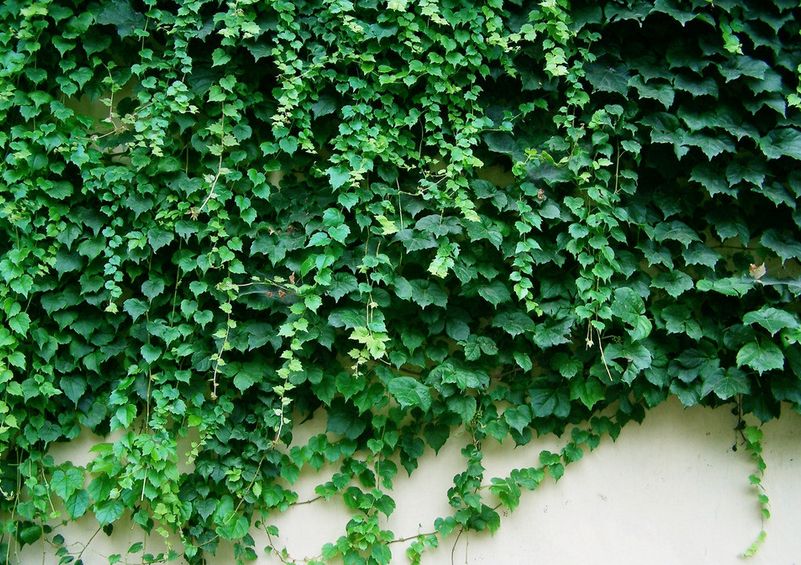
Boston ivy is a very common plant in daily life. We often see a whole wall covered with plants, and that is Boston ivy. Boston ivy is also known as kunshilong, fengteng, xiaochongerwocao, hongsicao, hongge, pashanhu, hongputaoteng and bashanhu, and belongs to the grape family (Vitaceae). It blooms in summer, with small, yellow-green flowers, and purple-black berries. It often climbs on walls or rocks and is widely found across our country. The roots and stems of Boston ivy can be used as medicine, with the effects of breaking blood stasis and reducing swelling and toxins; the fruit can be used to make wine.
Boston Ivy Cutting Method
Boston ivy is generally planted by the cutting method. Take an adult Boston ivy plant, and in early summer, in May or June, cutting propagation can be carried out.
Dig a hole about 15 cm deep at the base of the wall, insert the cut Boston ivy branch, with a branch length of about 30-40 cm. After inserting, cover it with soil, water once every two days, and it can sprout in just over half a month.

Boston Ivy Sowing Method
For propagation by sowing, the seeds are naturally the key. In September, when the Boston ivy fruit turns ripe purple, it can be picked, and the peel and fruit pulp removed cleanly. Store it in semi-dry sand. Sowing can be carried out in March of the following year.
Boston Ivy Planting -- Points to Note
1. Seed sand storage and germination. September in autumn is the season when Boston ivy berries ripen. At this time, we need to pick them when the berries appear purple-blue, then wash and dry them in the shade, then use a small amount of carbendazim solution to disinfect the surface, and after draining, wet sand stratification and storage can be carried out.
2. Seedling management. After the cotyledons of Boston ivy emerge from the soil, the surface film needs to be uncovered by day and covered by night on sunny days, while in rainy weather it needs to be covered all day to raise the soil temperature and promote uniform emergence. It can also prevent and control some diseases and pests, and Boston ivy planting also requires frequent sprinkling of water to keep the soil moist.