-

What are the care tips for Boston fern
Fertilizer: The fertilizer concentration for Boston fern should not be too high, otherwise it can easily damage the roots. The best fertilizing method is to first add well-rotted barnyard manure when potting (repot once every 1 year in spring), and during the peak growing season, apply a diluted fertilizer as a top dressing. When fertilizing, avoid getting the fertilizer solution on the leaves. If they are accidentally contaminated
-
Detailed Explanation of Pest and Disease Control Techniques and Methods for the Boston Fern
The Boston fern (Nephrolepis auriculata) suffers from few pests and diseases during cultivation, but sometimes, due to poor management, the following problems can still be encountered: for example, in overly damp places there will be slugs causing damage; when ventilation is poor, scale insects may appear; in addition, nematodes sometimes cause damage as well, producing brown round spots on the leaves and affecting their ornamental value. These problems
-
How to Propagate the Boston Fern? A Detailed Guide to Common Propagation Methods
Division Division is the most commonly used propagation method. Every spring in April-May, when repotting, cut the rhizome lengthwise into several sections, with 2-3 nodes per clump, keeping the roots and leaves, and plant them separately. Tuber propagation means cutting off a tuber with a portion of stolon attached, transplanting it into loose, well-draining soil, or directly sowing the tuber.
-
Cultivation Methods and Key Care Points for the Boston Fern
Optimal Growing Temperature for the Boston Fern. During the day, the optimal temperature for Boston fern growth is generally 24 to 26°C. Take care to avoid harsh direct sunlight, but it can be placed in a bright spot with indirect light to grow. At night, the optimal temperature for Boston fern growth is 15 to 21°C.
-
How to grow Boston ivy? Mastering these care methods makes it easy
Boston ivy is usually propagated by cuttings, but practice has proven that seed propagation is also a good method, with a germination rate of up to 80%, and seedling management is also relatively convenient. For propagation and cultivation, use cuttings, layering and sowing. Cuttings can be taken from after leaf fall until before bud break. Collect seeds in October; they can be sown in winter or the following spring
-
How to Grow Boston Ivy and the Best Time to Plant It
How to Grow Boston Ivy, When to Plant Boston Ivy
-
How to Grow Boston Ivy: A Detailed Guide to Planting Methods
How to Grow Boston Ivy, Boston Ivy Planting Methods
-
What should be noted when growing Boston ferns at home?
Notes on growing Boston ferns at home. Boston fern: it is a pendulous fern species that likes warm, humid and semi-shaded environments and dislikes extreme heat. It can be grown indoors in bright indirect light and must not be exposed to direct strong sunlight, otherwise the leaves tend to turn yellow or the leaf margins dry up; however, it should not be grown in a dark place either.
-
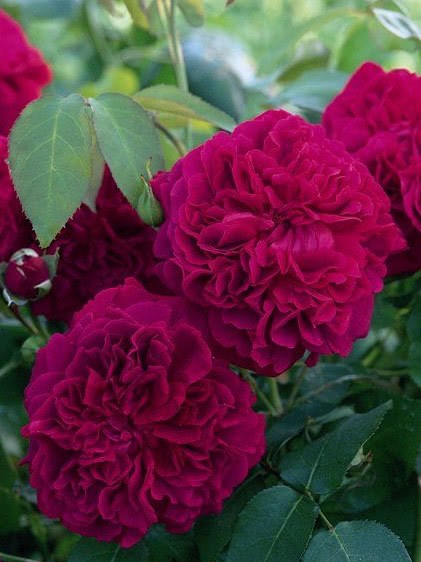
Climbing roses are more spectacular than Boston ivy; plant one in your yard for a novel and elegant look
If you have a yard at home, you surely want it surrounded by flowers and greenery. In the past, people loved Boston ivy; plant one behind a high wall or in a courtyard, and as it keeps spreading and winding around, it gives a very elegant European style! But things are different now,...
-
How to care for the Boston fern? A detailed guide to its ecological habits and growing environment requirements
Ecological habits of the Boston fern. The Boston fern likes warm, humid and semi-shaded environments, and also likes good ventilation; it dislikes intense heat. Boston ferns are generally placed indoors in bright, indirect light for cultivation; they cannot take direct strong sunlight, but they also cannot be kept in dark places. The optimum growing temperature is 15-25°C
条件筛选