-

In early winter, laying ducks are prone to "reverse molting", so farmers should beware of a drop in egg production rate
"Reverse molting" in laying ducks refers to female ducks raised in spring that enter the laying period in November, when the temperature gradually turns colder, and the day-night temperature difference is too large or nutrition is insufficient, causing ducks that have just started laying to stop producing and go on "vacation". If laying ducks begin "reverse molting", they start to molt, and once molting begins they will not lay eggs again until the following spring. If duck "reverse molting" can be controlled during this period, the laying period can be greatly extended and the economic benefits of duck farming increased. When ducks show signs of "reverse molting" such as eggs becoming smaller, eggshells becoming thinner, delayed laying time, wet feathers after drinking water and coming ashore, and crowding into the duck house, measures should be taken promptly
-
How to prevent rice sheath blight? Beware of high temperature and high humidity weather
Sheath blight, also known as banded leaf blight, has a great impact on the growth and development of rice. It not only weakens the absorption capacity of the root system, but also affects the photosynthesis of leaves, resulting in an increase in empty and shriveled grains, a decrease in 1000-grain weight and a decline in yield. Therefore, attention should be paid to the prevention and control of sheath blight in production. The following introduces the main symptoms, occurrence characteristics and control methods of this disease for reference. Main symptoms When rice leaf sheaths are infected, small dark green water-soaked spots with blurred edges appear near the water surface, later expanding into oval or cloud-like shapes, with the center grayish green
-
After the first harvest of oyster mushrooms, beware of bacterial diseases
During the fruiting stage, oyster mushrooms are susceptible to infection by harmful bacteria, so bacterial diseases such as soft rot and spot disease often occur. On December 13, the reporter saw in some mushroom sheds in Zhujiaya Village, Tianliu Town, Shouguang City that the two ends of some mushroom bags after the first harvest of oyster mushrooms showed dark brown watery rot, making it difficult for the second flush to fruit. The reporter's analysis suggests that this situation is soft rot caused by bacterial infection. When oyster mushroom soft rot occurs, the mycelium degenerates, the surface of the substrate bag darkens, softens, and becomes water-soaked and rotten, accompanied by a foul odor. To summarize the causes of the disease in their sheds
-
Beware of Vitamin B Deficiency in Pigs in Winter
Symptoms: When vitamin B2 (riboflavin) is deficient, sick pigs grow slowly, vomit, develop skin rashes, and lose hair, etc. When vitamin B3 (pantothenic acid) is deficient, sick pigs have poor appetite, poor growth, diarrhea, coughing, hair loss, and poor coordination, especially showing a "goose-step" gait. When vitamin PP (niacin) is deficient, sick pigs completely lose appetite, become emaciated, have severe diarrhea, cracked skin covered with black scabs, nervous disorders, and anemia. Prevention and treatment: When preparing pig rations, pay attention to fully supplying bran and green
-

Spring greenhouse cultivation of roses: beware of one disease and one pest
March and April are an important stage when roses in the greenhouse move from recovery into rapid growth, and also a period when various pests and diseases are relatively active. During this time, special attention should be paid to the prevention and control of downy mildew and red spider mites. Downy mildew is a greenhouse disease, prone to occur after the roses leaf out, and occasionally seen in open fields
-
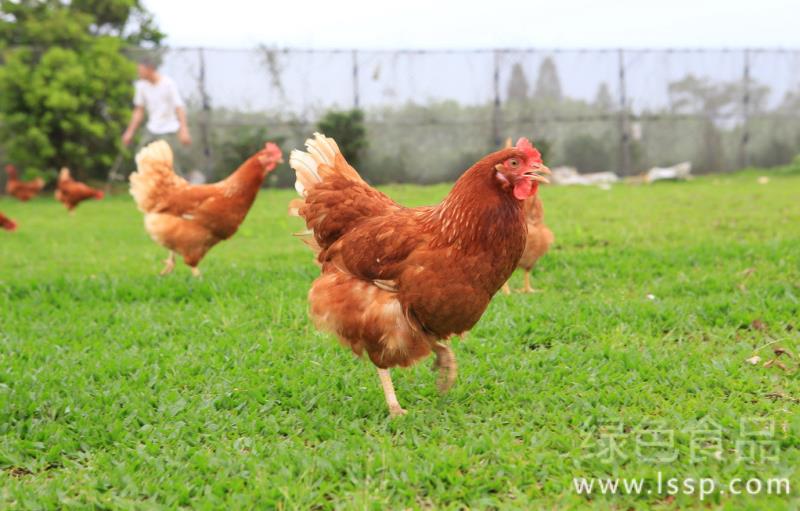
Key points for broiler farming during the plum rain season: beware of muggy, humid conditions triggering disease
Muggy, humid conditions trigger broiler disease: key points for broiler farming during the plum rain season
-
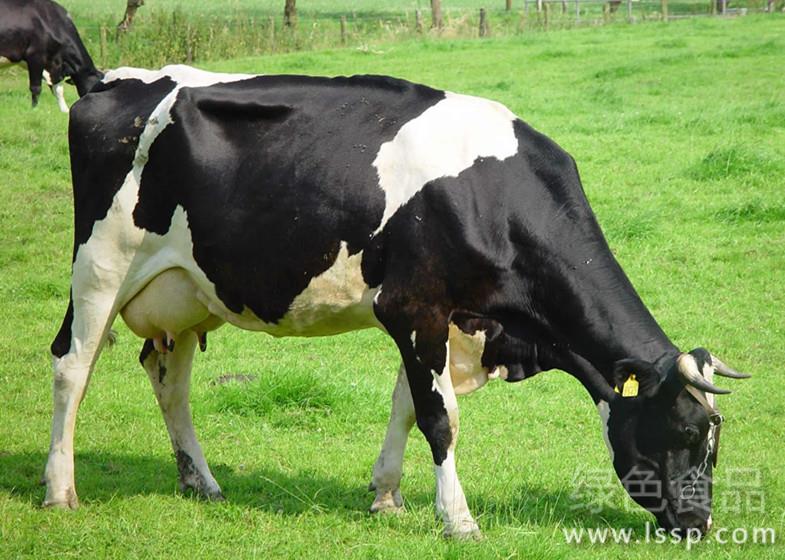
How to raise dairy cows well in summer? Beware of feed spoilage and bacterial growth
How to raise dairy cows well in summer when feed spoils and bacteria multiply
-
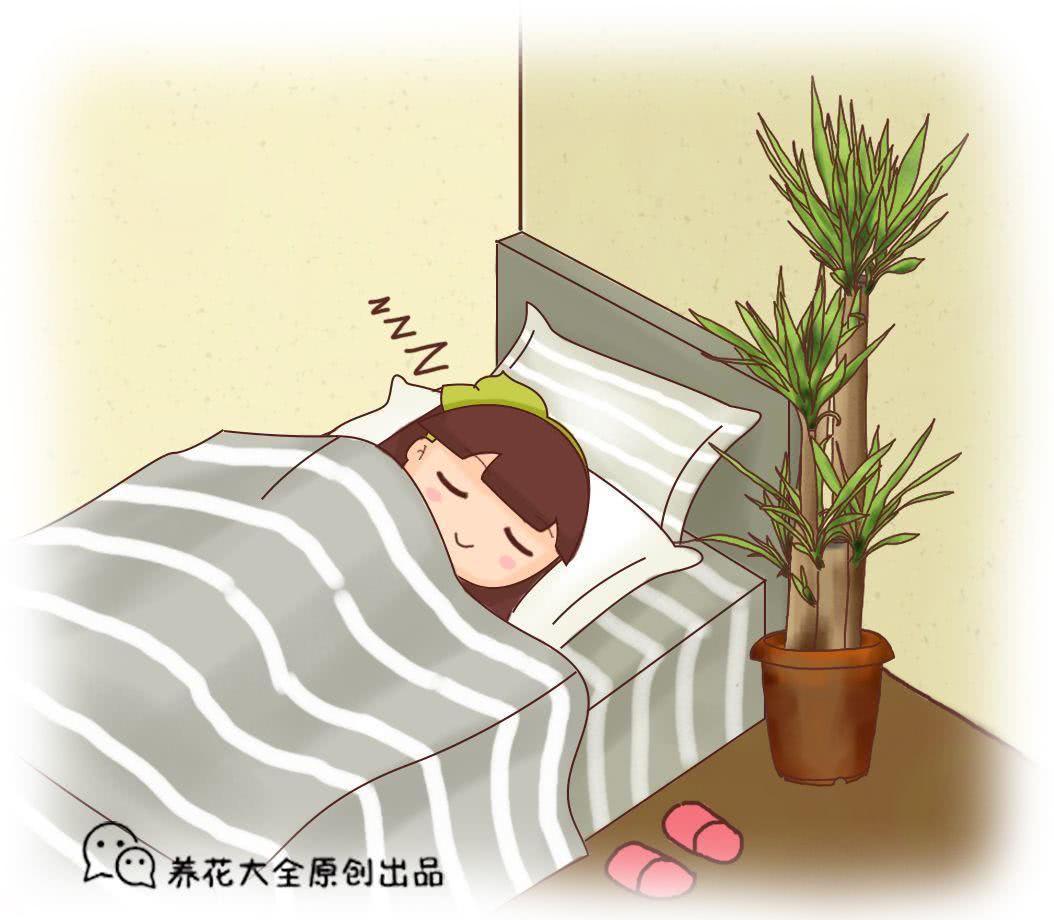
Don't keep narcissus at home however you like; when the weather is dry, beware of poor sleep at night
The weather has been especially dry lately, and many flower lovers like to put a potted plant in the bedroom. It not only looks nice, but can also add a little humidity to the air~ But the bedroom is a place for rest and relaxation, so you must not place just anything there, especially poisonous plants or ones with irritating smells...
-

If you keep caring for your pothos this way in this season, beware of being left with nothing but an empty pot
Gardeners who grow pothos at home all know that pothos is a plant that loves water and tolerates shade, so in our day-to-day care, we should not only water them more. But do be careful: if you are still frequently giving your pothos at home a...
-
Beware of excess nitrogen and insufficient potassium when planting zucchini in spring
Guard against too much nitrogen and too little potassium. Zucchini's demand for nitrogen, phosphorus and potassium is greatest for potassium, followed by nitrogen, and least for phosphorus. Spring temperatures are relatively high, and if there is too much nitrogen fertilizer, zucchini can easily grow leggy. Therefore, when topdressing in spring, be sure to apply less nitrogen fertilizer and focus on high-potassium compound fertilizer. Guard against high temperature and drought. Zucchini is not tolerant of high temperatures, and high temperature...
条件筛选