-

Xinyang residents, beware: do not buy these six common vegetables
Vegetables are something we eat all the time, so what should we pay attention to when buying them? How should we buy vegetables? Which vegetables should not be bought? Let's find out below...
-
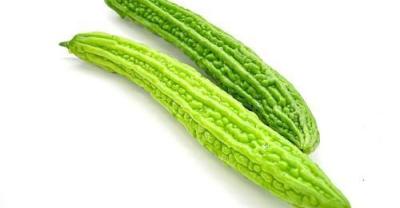
8 vegetables that must be cooked thoroughly before eating, beware of poisoning
Many people believe that vegetables taste better and are more nutritious when not cooked thoroughly. In fact, this view is incorrect. Doctors say that some vegetables themselves contain toxic...
-

How to prevent rice sheath blight? Beware of high temperature and high humidity weather
Sheath blight, also known as banded leaf blight, has a great impact on the growth and development of rice. It not only weakens the absorption capacity of the root system, but also affects the photosynthesis of leaves, resulting in an increase in empty and shriveled grains, a decrease in 1000-grain weight and a decline in yield. Therefore, attention should be paid to the prevention and control of sheath blight in production. The following introduces the main symptoms, occurrence characteristics and control methods of this disease for reference. Main symptoms When rice leaf sheaths are infected, small dark green water-soaked spots with blurred edges appear near the water surface, later expanding into oval or cloud-like shapes, with the center grayish green
-
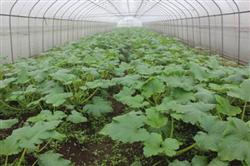
Beware of excess nitrogen and insufficient potassium when planting zucchini in spring
Guard against too much nitrogen and too little potassium. Zucchini's demand for nitrogen, phosphorus and potassium is greatest for potassium, followed by nitrogen, and least for phosphorus. Spring temperatures are relatively high, and if there is too much nitrogen fertilizer, zucchini can easily grow leggy. Therefore, when topdressing in spring, be sure to apply less nitrogen fertilizer and focus on high-potassium compound fertilizer. Guard against high temperature and drought. Zucchini is not tolerant of high temperatures, and high temperature...
-
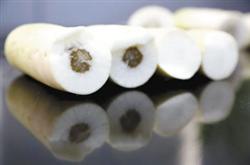
There are three things to beware of when growing radishes; pay attention to these points
The skin of the radish root develops horizontal thread-like black lines and becomes rough; in severe cases, the internal tissue discolors and spoils. The main causes are boron deficiency, excess chloride ions; a high groundwater table and poor drainage; and the application of inadequately decomposed fertilizer. Therefore, planting in low-lying land should be avoided; chlorine-containing compounds should not be applied or should be applied sparingly, and boron fertilizer should be applied in greater amounts....
-
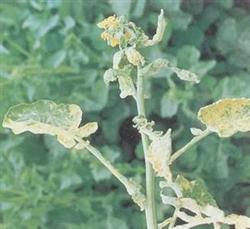
Beware of viral disease in rapeseed seedlings: detect and treat early
The characteristics of viral disease occurrence in rapeseed seedlings in seedbeds are as follows: 1. In seedbeds where farmyard manure such as pig manure, cow manure and chicken manure was applied during land preparation, the rapeseed seedlings do not develop the disease. 2. In seedbeds where no farmyard manure was applied and only ammonium bicarbonate was applied, the rapeseed seedlings develop the disease severely. 3. For the same variety and the same fertilizer rate, rapeseed seedlings in seedbeds with high fertility do not develop the disease, while rapeseed seedlings in seedbeds with low fertility do develop the disease.
-
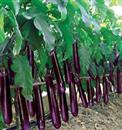
Facility eggplant cultivation management: beware of common mistakes
In winter, when cultivating eggplant in facilities, vegetable growers still make some mistakes in the management process, which should be improved. Mistake one: not planting grafted seedlings in new greenhouses. Many vegetable growers believe that in newly built greenhouses there are few root-knot nematodes and few pathogens of Verticillium wilt, Fusarium wilt and bacterial wilt, so high yields can still be obtained without planting grafted eggplant seedlings, but...
条件筛选