How to raise dairy cows well in summer? Beware of feed spoilage and bacterial growth
The most suitable growing temperature for dairy cows is 4—24°C. Summer has high temperatures and is also a season of vigorous microbial reproduction, green grass is difficult to keep fresh, silage and hay are prone to mold and spoilage, and dairy cows are susceptible to mold poisoning or digestive diseases, hence the saying "dairy cows are hard to raise in summer." However, as long as measures are appropriate, dairy cows are still easy to raise in summer.
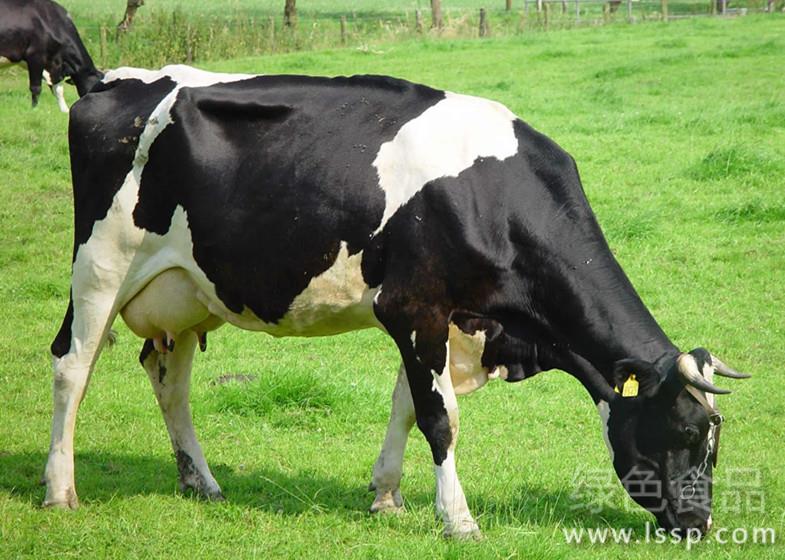
Dairy cows
1. Regulate the temperature inside the barn: when the temperature is relatively high, open the barn doors and windows to increase air flow; then use well water to wash the cows' feed troughs, manure ditches and walls; install electric fans, spread out the cattle, keep the distance between cow beds greater than 120cm, and give the dairy cows direct showers to absorb body heat and cool down and relieve the summer heat.
2. Pay attention to reducing humidity: the barn should be dry, without standing water, and well ventilated. The relative humidity in the barn and at the tethering area should be below 80%.
3. Adjust the diet nutrition: green feed and concentrated feed should be "less but finer," that is, the feed should contain somewhat more energy, crude protein, etc., but not too much, and a certain amount of crude fiber. In summer, increase the amount of concentrated feed by 20%; for example, if soybean cake normally accounts for 20% of the concentrated feed, in summer it can be increased to 25%—30%.
4. Improve feeding methods: appropriately increase the number of feedings, or supplement feed at night, or change concentrated feed to porridge feed; this can make up for insufficient intake by dairy cows due to loss of appetite in high temperatures and increase milk production.
5. Provide enough cool, clean drinking water: if dairy cows do not drink enough water, their appetite will decrease, which not only affects milk production, but also dries out the mucous membranes in the cows' bodies, reducing their disease resistance. Long-term insufficient drinking water causes metabolic disorders in dairy cows and can be fatal in severe cases. The drinking water amount for lactating cows can be supplied at 3—5 times the daily milk yield, and in summer let the dairy cows drink freely.
6. Build shade sheds for shade: in hot summer, to prevent direct sunlight, the dairy cows can be moved into shade sheds. The most ideal shade shed is long from east to west and short from north to south, with a single-slope roof, lower in the south and higher in the north, a shed height of 2.8—3 m, and good ventilation on all sides to form cross-ventilation, thereby lowering the barn temperature. The dairy cows can also be tethered under tree shade.
7. Do a good job of environmental sanitation: summer temperatures are high, and harmful bacteria grow and reproduce more actively; therefore, environmental sanitation should be done well and disease prevention and control strengthened. Before feeding, watering and milking, wash the dairy cows with cold water; for individual cows that are afraid of heat, wash their heads and chests with cold water, which both cools them down and maintains hygiene. Manure should be removed promptly, and the barn should be disinfected once a week with 5% Lysol or 2% sodium hydroxide solution; plant ash and lime powder can also be spread regularly for disinfection, deodorization and moisture removal, reducing disease.
8. Prevent mosquito and fly interference: in summer there are many mosquitoes, flies and other pests, which bite the dairy cows, interfere with their rest, are detrimental to milk production, and also spread diseases. The barn can be sprayed with mosquito- and fly-repellent liquid to eliminate mosquitoes and flies, so that the dairy cows have a comfortable living environment.