-
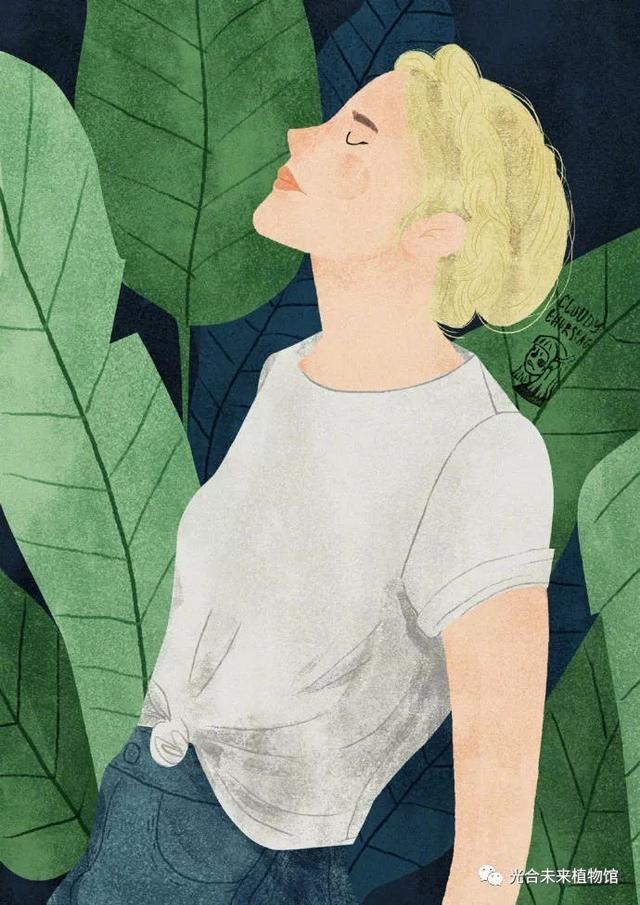
Photosynthesis Future Greening Case Study: Healing Nature-Deficit Disorder with Greenery Between Dimensions
The deeper you connect with plants, the more you believe that plants are medicine - the medicine that urban dwellers and modern people all need. Those who follow Photosynthesis Future may have noticed that our official WeChat account has recently updated many new projects, green plant walls...
-

What exactly is the relationship between tea and disease? Understand it before you drink tea
Data published by institutions such as Case Western Reserve University in the United States, the National Cancer Center of Japan, and Curtin University of Technology in Australia on "research on tea and cancer" shows that people who regularly drink tea have a disease incidence rate more than 60% lower than those who do not drink it often. The price of tea...
-
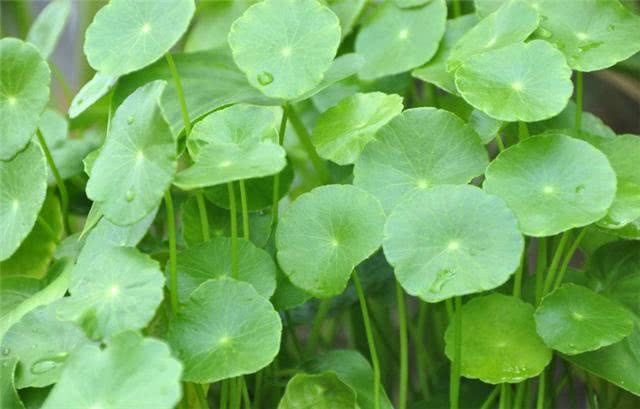
Big difference between morning and evening fertilizing for flowers; fertilize at the wrong time and the roots will rot
There are more and more flower lovers, and most people nowadays grow their own flowers and plants. When it comes to growing flowers, besides for ornamental purposes, it is mainly about adding a bit of fun to your life, making you feel happy both physically and mentally, and it is also good for your health...
-
The relationship between Dongkui bayberry and the nutrient element zinc
Although zinc is a trace element for plants, if Dongkui bayberry is deficient in zinc, it will affect its growth. This is because the zinc element has multiple effects on Dongkui bayberry, such as: 1. The role of zinc (1) Zinc is related to the synthesis of auxin in the tree body. That is to say, when the Dongkui bayberry tree body needs to synthesize auxin, it cannot lack zinc...
-
What is the difference between the paper written by the ancient Egyptians and the paper you write?
How many days are left until the release of the Species Calendar 2019? Today is the last day of the Q&A session! If you want to learn about the work (gōu) details (zǐ) of Calendar Girl and her friends, don't miss the "Calendar Girl's Big News" at the end of the article.
-
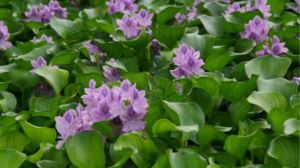
What is the difference between water lettuce and water hyacinth? A quick guide to telling them apart
Leaf differences: Water lettuce leaves grow in clusters, are obovate-cuneate, with rounded blunt tips and slightly wavy edges; water hyacinth leaves are basal, forming a rosette, with rounded blunt tips and entire margins. Flower differences: The water lettuce inflorescence grows in the leaf axils, has a spathe, and is white; the water hyacinth has a spike inflorescence, ovate, and lilac in color.
-
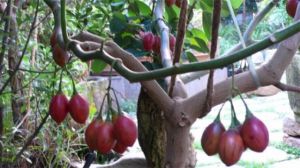
What is the difference between tree tomato and tomato? Learn to easily tell the two apart
Leaf difference: Tree tomato leaves are alternate, ovate or ovate-cordate; tomato leaves are pinnately compound or pinnately parted. Flower difference: Tree tomato cymes are nearly axillary, the corolla is rotate and pink; tomato flowers are yellow with a rotate corolla. Fruit difference: Tree tomato fruit is ovate, smooth on the surface, orange-yellow or tinged with red; tomato berries are oblate or nearly spherical, orange-yellow or turning red.
-
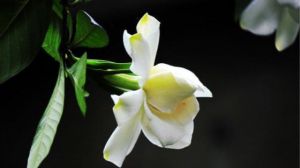
What is the difference between water gardenia and yellow gardenia? A quick guide to tell them apart
Leaf differences: Water gardenia leaves are opposite or in whorls of 3, and the leaf blades are oblanceolate; yellow gardenia leaves are leathery, oblong-lanceolate or seal-shaped lanceolate, with entire margins. Flower differences: Water gardenia flowers are solitary, with 5 to 6 white petals; yellow gardenia flowers have a white or creamy yellow corolla and are salverform.
-
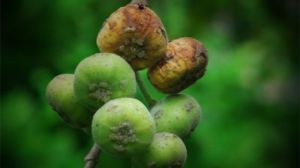
What is the difference between Ficus hispida and Ficus microcarpa? A quick guide to telling the two plants apart
Leaf differences: Ficus hispida leaves are opposite, thickly papery, and ovate-oblong; Ficus microcarpa leaves are thinly leathery, dark green, and narrowly elliptic. Fruit differences: Ficus hispida figs are axillary, top-shaped, and yellow when ripe; Ficus microcarpa figs grow in pairs in the leaf axils, are yellow or slightly red, and are flattened spheres.
-
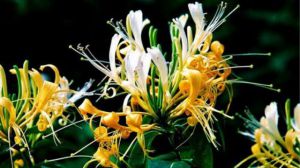
What is the difference between Sophora tonkinensis and Japanese honeysuckle?
Leaf differences: Sophora tonkinensis leaves are thickly papery, elliptical, with the leaf tip shortly acuminate or bluntly rounded; Japanese honeysuckle leaves are papery, ovate or oblong-ovate. Flower differences: Sophora tonkinensis has a raceme, with a white corolla and oblong petals; Japanese honeysuckle has the peduncle growing in the leaf axil, with a white corolla that eventually turns yellow.
条件筛选