The relationship between Dongkui bayberry and the nutrient element zinc
Although zinc is a trace element for plants, if Dongkui bayberry is deficient in zinc, it will affect its growth. This is because the zinc element has multiple effects on Dongkui bayberry, such as: 1. The role of zinc (1) Zinc is related to the synthesis of auxin in the tree body. That is to say, when the Dongkui bayberry tree body needs to synthesize auxin, it cannot lack zinc...
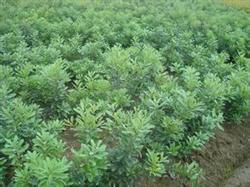
Although zinc is a trace element for plants, if Dongkui bayberry is deficient in zinc, it will affect its growth. This is because the zinc element has multiple effects on Dongkui bayberry, such as:
1. The role of zinc
(1) Zinc is related to the synthesis of auxin in the tree body. That is to say, when the Dongkui bayberry tree body needs to synthesize auxin, it cannot lack the zinc element.
(2) Although the zinc element does not directly participate in photosynthesis, it affects photosynthesis and the formation of chlorophyll.
(3) Among the more than 80 enzymes in the tree body, zinc is contained.
(4) It affects the three-dimensional structure of deoxyribonucleic acid (RNA), a component of genetic material, and therefore also affects protein synthesis.
(5) The zinc element is related to cell division.
(6) An appropriate amount of the zinc element can improve the stress resistance of the tree body.
(7) Zinc can regulate the balance, absorption and utilization of phosphorus in the tree body.
2. Manifestations of zinc deficiency
After Dongkui bayberry is deficient in zinc, the tree body is short, the new shoots are clustered, the internodes are short, the branches are thin and weak, and the leaves are small. These symptoms are similar to those of boron deficiency. However, unlike boron deficiency symptoms, they include: the terminal buds of the branches and shoots do not die, the leaves are small and deformed, there is interveinal chlorosis or yellow-white discoloration, and the leaves also have irregular spots. The leaves of the new shoots gradually fall off from the base upward, leaving only a few small leaves at the top, or even all the leaves on the whole branch fall off, forming bare branches.
3. Causes of zinc deficiency
(1) The soil is too sandy, the soil is barren, and both the water-holding capacity and the fertilizer-holding capacity are relatively poor.
(2) There is too little soil organic matter, and the PH value is relatively high.
(3) Too much phosphorus causes an imbalance in the ratio of phosphorus to zinc in the tree body, thereby reducing the activity of the zinc element.
(4) Dongkui bayberry tree bodies planted on south-facing slopes are prone to developing zinc deficiency symptoms due to exposure to strong sunlight.
4. Methods of correction
(1) The orchard site should avoid the application of large amounts of lime, and no phosphate fertilizer should be applied.
(2) According to the zinc deficiency situation of the tree body, zinc sulfate can be applied at 1 to 5 kilograms per mu.
(3) Using a 0.3% to 0.5% zinc sulfate solution, spray continuously 3 times or more at intervals of 10 to 15 days, which can rapidly supplement zinc.