-
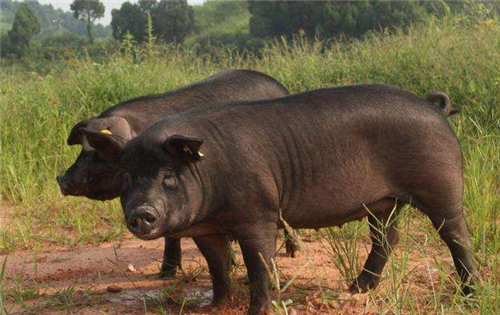
Swine pasteurellosis occurs frequently in autumn and winter when temperatures alternate between cold and warm with large differences, so timely prevention and treatment are needed
Swine pasteurellosis occurs frequently in autumn and winter when temperatures alternate between cold and warm with large differences, so timely prevention and treatment are needed
-

The subtle relationship between oxytocin and sows, pig farmers need to understand
The subtle relationship between oxytocin and sows
-
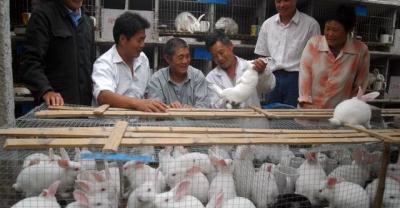
40 years of beekeeping with Italian bees: a brief discussion of the dispute between Chinese bees and Italian bees
The dispute between Chinese bees and Italian bees has, at some unknown point, become a focal point of argument among beekeepers and honey eaters, fought over bitterly, yet it seems to be a battle that will never have a win...
-
Big differences between poultry farming in northern and southern China: 18 points worth saving
To better understand the differences between poultry farming in northern and southern China, avoid disorderly and blind market competition, and find the value of service personnel, the following is a comparison of northern and southern...
-

What is the relationship between yellow fat pork and feed? An analysis of the causes
Yellow fat pork, also known as yellow rind pork, refers to pork carcass fat that is brown or yellow, with the internal organs normal and unchanged and no off-odor, and it is generally believed to be caused by feed. Yellow fat pork is different from jaundiced pork; jaundiced pork is caused by disease, resulting from blocked bile excretion. In jaundiced pork, not only does the fat turn yellow, but the skin, mucous membranes, joint capsule fluid, tissue fluid, vascular intima, serosa, tendons, etc. all appear yellow, and the internal organs also show pathological changes. Yellow fat pork fades or loses its yellow color after hanging for 24 hours, whereas the yellow color of jaundiced pork does not fade. Yellow fat pork is mostly caused by feeding pigs fishmeal, fish oil
-
How to Tell the Difference Between True Colds and False Colds in Dogs
True colds in dogs are systemic symptoms characterised mainly by inflammation of the mucous membrane of the upper respiratory tract. Colds generally occur most often in early spring, late autumn and when the climate changes abruptly. The cause is mostly sudden exposure to cold stimulation, such as being hit by a draught in winter, sleeping outdoors in the cold season, getting caught in the rain, or not drying a dog's coat promptly after bathing. The main symptoms of a dog with a cold are: the sick dog is depressed, has reduced or no appetite, the conjunctiva is congested and red, and the eyes are photophobic and run with tears. There is coughing, the nasal discharge is purulent, breathing speeds up, body
-
What is the relationship between the farming of the four major Chinese carps and meteorological conditions?
Fish live in water, but they are also closely related to meteorological conditions. Temperature: fish are ectothermic animals, and the water temperature is their body temperature. The water temperature directly affects their life metabolism. The suitable temperature range is 10 to 33°C, and the optimal temperature is 25 to 30°C. Below 10°C they begin to hibernate. At 10 to 15°C they begin to feed and grow slowly. At 15 to 20°C their appetite increases and they grow faster. At 20 to 30°C they grow fastest. Above 30°C their growth slows again. Therefore, when feeding, pay attention to
-
Differences Between Fowl Plague and Fowl Cholera and How to Tell Them Apart
When fowl cholera is epidemic, chickens, ducks and geese often become ill and die at the same time, whereas Newcastle disease affects only chickens. Symptoms: In acute cases of fowl cholera the crop is full of food, whereas in Newcastle disease it is full of gas and fluid; chronic cases show nervous symptoms such as a twisted head and neck, while fowl cholera has no nervous symptoms and a short course. Necropsy: In fowl cholera a large amount of pale yellow fluid accumulates in the pericardial sac, with hemorrhage on the epicardium and grayish-white necrotic spots on the surface of the liver, and yellow caseous exudate is often found on the surface of the air sacs and intestines; whereas in Newcastle disease the liver has no necrotic spots,
-
Differences Between Three Soft-Shelled Turtle Diseases and Their Prevention and Treatment Methods
In the process of soft-shelled turtle farming, some farmers cannot clearly distinguish white spot disease, white spot fungus disease and saprolegniasis, and blindly and indiscriminately use drugs when treating turtle diseases, thus affecting the effectiveness of disease prevention and treatment. Therefore, based on recent years of practice at soft-shelled turtle farms, the author summarizes the differences between the above diseases and comprehensive prevention and treatment methods as follows. I. Differences between white spot disease, white spot fungus disease and saprolegniasis in soft-shelled turtles 1. Different pathogens: the pathogen of white spot disease is Aeromonas hydrophila, Aeromonas sobria, etc.; the pathogen of white spot fungus disease is Mucor, which belongs to
-
What is the relationship between diseases of eels raised in earthen ponds and the water environment?
The water environment is the decisive factor in eel farming. The water environment not only determines whether eels can be farmed, but also directly affects the level of production and ultimately the economic benefits of farming. Therefore, only by improving the water environment can eels be farmed well. The following analysis focuses on the relationship between eel diseases and the water environment from the following aspects. 1. pH level. The pH value in water is an important comprehensive water quality indicator, and it directly affects the physiological condition of eels. When the biological, chemical or physical components in the water body change, they will all be reflected in the pH value. Eels in earthen ponds require the pond water
条件筛选