-
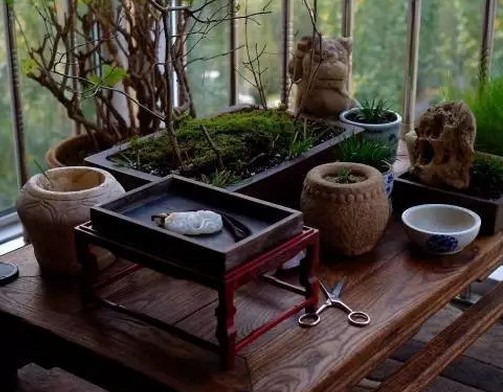
Planting Methods and Cultivation Techniques for Acorus calamus Bonsai
The ancient scholar Zhang Tingjiao said that Acorus calamus (sweet flag) has the spirit of mountains and forests, not the air of wealth and nobility. It has a clean form, not a filthy one. Its pure qi rises beyond the dust of the world, its spiritual essence dwells among water and stone. This is a quiet treasure, this is a longevity treasure; those who appreciate it should cherish it.
-
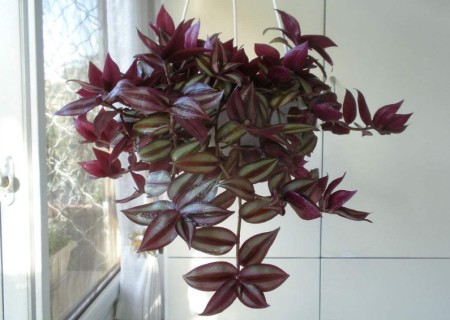
How to grow purple spider plant (Tradescantia zebrina)? Care methods and precautions
In traditional Chinese culture, purple is a symbol of royalty, as in the Forbidden City and "purple air coming from the east," and purple further signifies nobility and elegance, just like the purple spider plant. Many gardening enthusiasts rather enjoy growing this potted plant; whether grown for its foliage or its flowers, it always brings brilliant splendor.
-
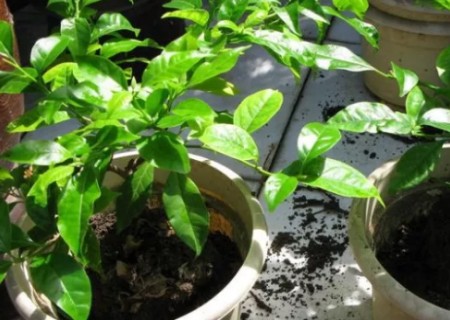
What to Do When Bougainvillea Drops Leaves After Transplanting? Causes and Remedies
We all know that bougainvillea, from propagation by cuttings to growing into a potted plant with a certain ornamental value, needs to go through the transplanting process. Transplanting is meant to let it grow in a better environment, and whether the transplanting method is scientific and reasonable will directly affect the plant's survival and growth state. In the previous article
-
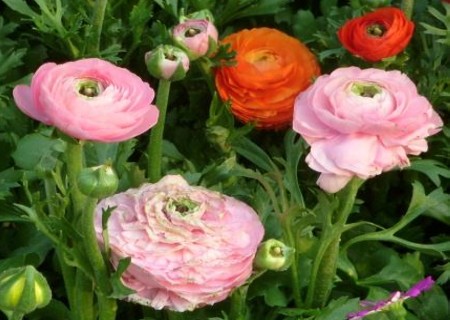
How to grow Ranunculus asiaticus? Sharing my planting and care experience
Ranunculus asiaticus is a bulbous flowering plant of the genus Ranunculus in the family Ranunculaceae. It prefers a cool climate and is better suited to growing at temperatures of 15-25C. Because the south mostly has a hot and humid climate, this flowering plant is generally hard to come by there.
-
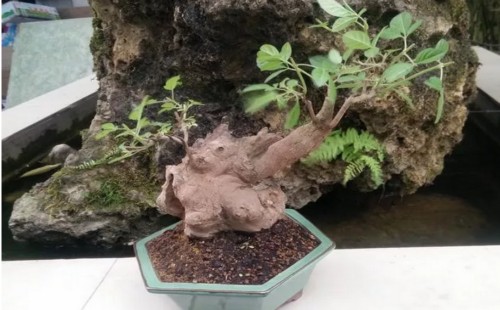
Care Methods and Techniques for Vitex Bonsai After Transplanting
After the old Vitex (Vitex negundo) stumps are collected and brought back, they generally need to be pruned and shaped in time, and once the basic form is established, they should immediately be grown out for root development. They can be transplanted into a large flower pot or grown in the ground, but for ease of management, they are generally still transplanted into a large flower pot. Whether the care and management work after transplanting the Vitex bonsai is done properly
-
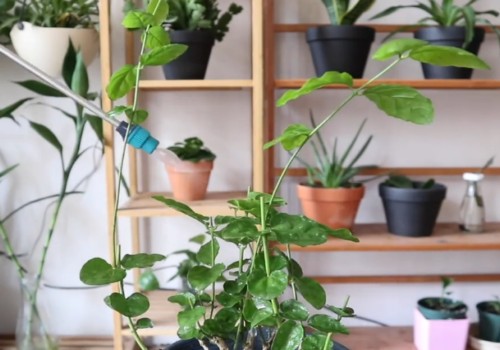
Care methods for jasmine after bare-root planting and successful establishment
Jasmine is a plant with strong vitality. Even when planted with bare roots, as long as you follow a scientific approach, it can still be grown successfully. However, because bare-root planting carries high risks, even after the plant has successfully adjusted to the pot, you still need to pay attention to care and management. Otherwise, the plant can easily show poor growth, or even die, and all your previous efforts will be wasted.
-
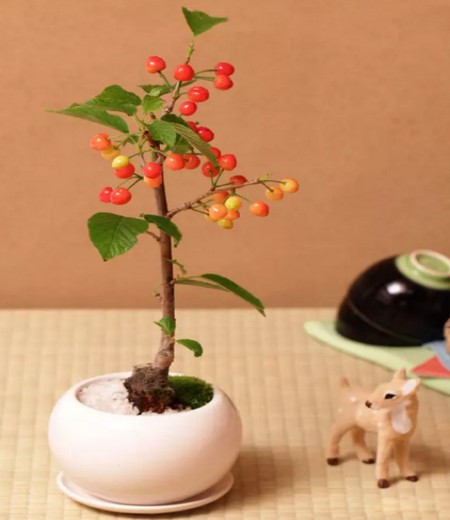
Detailed Explanation of Cherry Bonsai Planting Methods and Techniques
Cherry seedlings should be cultivated in loose, fertile, well-drained sandy loam soil. For pot cultivation, the growing medium is prepared by mixing 4 parts leaf mold, 3 parts garden soil, and 1 part each of fine coal cinder granules, sawdust, and fine sand particles. Place some decomposed organic fertilizer at the bottom of the pot as a base fertilizer. Spring is the best time for planting.
-
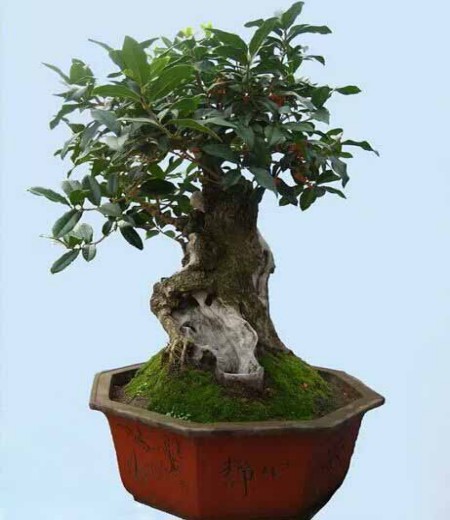
Detailed guide to osmanthus bonsai planting techniques, teaching you how to grow a good bonsai
Potted osmanthus should be planted in spring or autumn, preferably on a cloudy or rainy day. Choose a ventilated, well-drained and warm location; either full sun or partial shade is fine. When transplanting, make sure to form a soil ball around the roots to ensure the survival rate. The planting soil should be slightly acidic; alkaline soil is to be avoided
-
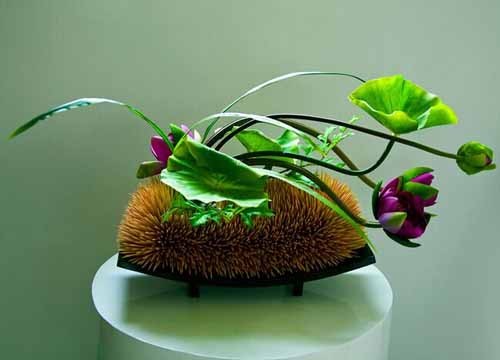
How to plant potted lotus? Learn the correct planting method
For potted lotus, the pot soil is best taken from pond sludge dug in early winter and used after freezing, or select clayey field soil, and plant the lotus rhizomes in early April to early March. Usually 3 nodes are taken as 1 plant, and the buds in the nodes as well as the terminal bud should be complete and undamaged. When planting, first spread 1-2 cm of coarse sand on the bottom of the pot, then fill with 10 cm of soil
-
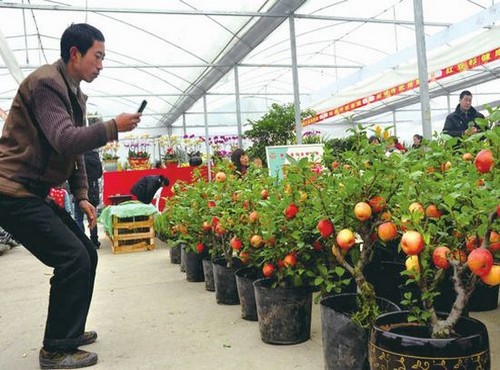
How to Grow Apple Bonsai? Detailed Explanation of Key Planting Techniques
Apple trees can be shaped into various bonsai forms according to the shape of the trunk, such as straight-trunk style, curved-trunk style, double-trunk style, slanting-trunk style, lying-trunk style, and exposed-root style. For young trees, the trunk can be wired and shaped to make it winding and graceful, combining rigidity and softness. For trunks lacking an aged appearance
条件筛选