-
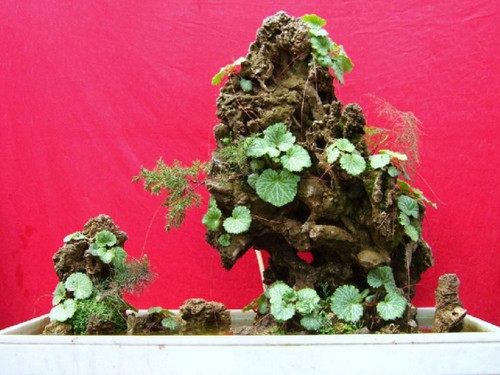
What are the care methods for a water-absorbing stone bonsai?
No home is elegant without stone. Water-absorbing stone has good water-absorbing properties and can grow all kinds of small trees, flowers, grass, green moss and other vegetation. Its shape is beautiful and unique with high ornamental value. It can be placed in a living room or office, and it is also a fine gift for relatives and friends. The material of water-absorbing stone is taken from the natural environment and formed through special geological changes.
-
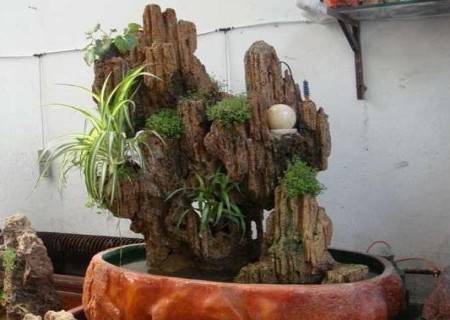
What are the considerations for placing a water-absorbing stone bonsai?
Water-absorbing stone is a kind of stone with a loose texture but extremely strong water absorption capacity. It can not only grow moss, but is also very easy to process, making it the main material for water-absorbing stone bonsai. A finished water-absorbing stone bonsai is not only elegant in appearance, but can also be used to plant flowers, grasses, and plants on this kind of stone.
-
Monstera deliciosa care methods and its air-purifying, formaldehyde-absorbing benefits
Use Klasmann 5-40mm grade imported peat that is loose, well-draining and well-aerated. Break up the peat, add water and mix well (standard for adding water: after mixing, squeeze a handful of peat tightly and water should seep out between your fingers), then plant in pots. For potted Monstera deliciosa, a mix of equal parts leaf mold, garden soil and river sand is usually used as the growing medium.
-
How to grow pothos: it can absorb formaldehyde and improve air quality
Pothos is easy to propagate, vigorous and easy to grow. From the offices of the White House in the United States to ordinary poor households, its presence can be seen everywhere. It belongs to the easier-to-grow category of foliage plants. As a plant from the tropics and subtropics, pothos prefers a hot and humid environment, with the optimal growth temperature between 20°C and 30°C
-
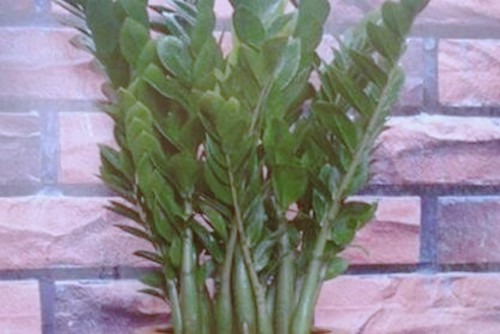
How do you care for the money tree, the best plant for absorbing formaldehyde? Six tricks to make it thrive without yellowing
The money tree is a landscaping plant we are all fairly familiar with, but its scientific name is not money tree, it is Zamioculcas zamiifolia (ZZ plant). If someone asks you next time what Zamioculcas zamiifolia is, you will know it is the money tree. The money tree is unanimously recognized as the best plant for absorbing formaldehyde. So how do you grow a money tree so it thrives? What should you do if the leaves turn yellow?
-
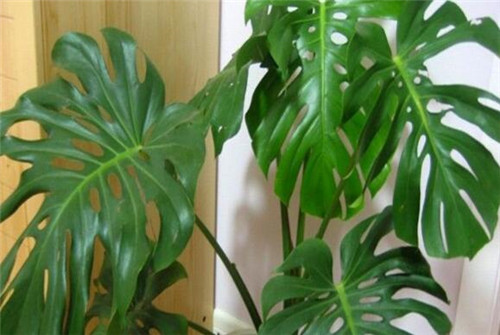
How to grow the formaldehyde-absorbing Swiss cheese plant so its leaves split? Growing methods and precautions
The name Swiss cheese plant may be unfamiliar to friends who do not grow green plants. It is very popular in tropical regions and is generally cultivated in greenhouses. The Swiss cheese plant is also called ceriman, wire netting plant, and so on. As a plant of the Araceae family, it has its own unique charm
-
The Complete Guide to Making and Caring for Water-Absorbing Stone Bonsai
How to Care for Water-Absorbing Stone, The Complete Guide to Making Water-Absorbing Stone Bonsai
-
Recommended plants that absorb dust and kill bacteria, a good helper for green living
Recommended plants that absorb dust and kill bacteria, a good helper for green living
-
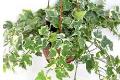
What plants absorb formaldehyde? A roundup of common green plant varieties
What plants absorb formaldehyde
-
条件筛选