Which plants and flowers absorb formaldehyde?
Newly renovated rooms generally contain formaldehyde, which is bad for your health, so we all care about which plants and flowers can absorb formaldehyde. Below is a brief introduction.
Which plants and flowers can absorb formaldehyde
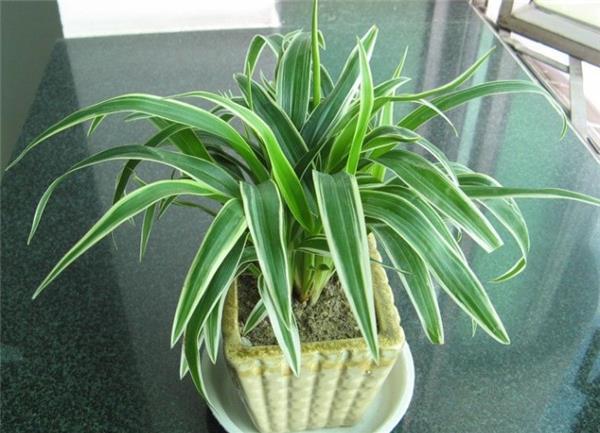
1. Spider plant
Spider plants can eliminate more than 80% of the harmful gases released by indoor decoration materials, and their ability to absorb formaldehyde is extremely strong. Generally, keeping 1W64;2 pots of spider plants in a room can absorb almost all the toxic gases in the air, so the spider plant is also known as the "green purifier." Moreover, spider plants are easy to grow and highly adaptable, and are one of the most traditional hanging plants for the home, evergreen all year round.
2. Ivy
Ivy can absorb formaldehyde and also break down two harmful substances, namely formaldehyde found in carpets, insulation materials and plywood, and xylene hidden in wallpaper that is harmful to the kidneys. It is the most ideal variety for indoor and outdoor vertical greening, an evergreen vine with slender, soft stems and branches, bearing aerial roots, and able to climb onto other objects.
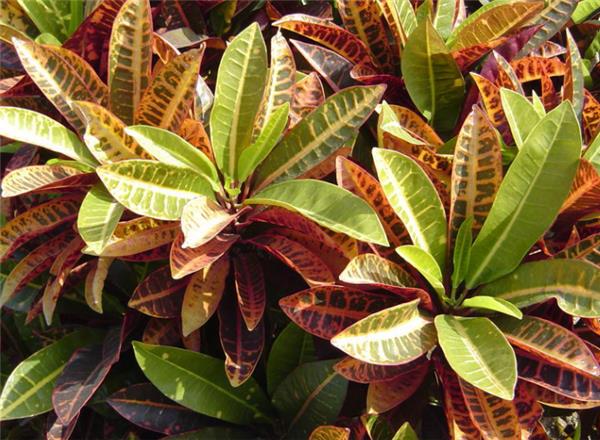
3. Croton
An evergreen shrub or small tree that can absorb formaldehyde from the air, both beautifying the environment and making it healthier. Because croton prefers fertile, clayey soil with good water retention, and likes high temperatures, humidity and a sunny environment, and is not cold-tolerant, croton is best kept indoors for 2-3 weeks for viewing at most, and after a while it needs to be placed on the balcony to get some sun.
4. Fernleaf hedge bamboo
Fernleaf hedge bamboo can purify the air well, and its formaldehyde absorption effect is very good, making it suitable for newly renovated rooms. Fernleaf hedge bamboo has elegant foliage and branches, and potted plants can grow very tall. It is suitable for larger living rooms or courtyards, while small pots can be placed in the study and bedroom. This plant likes moisture but fears waterlogging. After potting, water thoroughly the first time, and afterward just keep the soil moist.
5. Dragon tree
Its branches and leaves are robust and dense, and it can absorb harmful substances such as formaldehyde from the air, and also has a very grand decorative effect. It is suitable for placement near a window in a room, such as the study, living room or balcony, and small plants can also be placed by the window in the bedroom.
6. Rubber plant
The rubber plant is like a green vacuum cleaner, able to absorb carbon monoxide, carbon dioxide, hydrogen fluoride, formaldehyde and more, and can also absorb fine dust from the air. Its thick, fleshy leaves give a feeling of abundance and richness. Small rubber plants can be placed on the window desk in the study or bedroom, while large ones are suitable for the corner of the living room or a large conference hall.
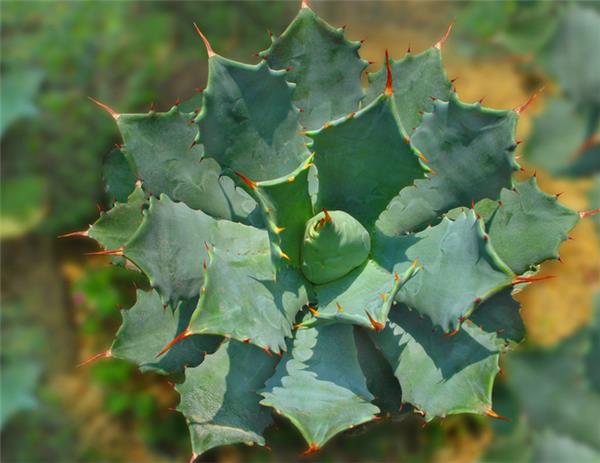
7. Agave
In a 10 sq m space, one pot of agave can eliminate 70% of benzene, 50% of formaldehyde and 24% of trichloroethylene. Agave is suitable for placement in the living room, study and garden, in places where it can get plenty of sunlight. It should be noted that the sap of agave is toxic, so it must be placed somewhere children and pets cannot reach.
8. Golden pothos
Golden pothos is an ideal household air purifier, easy to grow and very cheap. In a new home, several pots can be grown in every room to remove harmful gases. Every square meter of golden pothos leaves can remove 0.59 mg of formaldehyde and 2.48 mg of ammonia.
9. Begonia
It likes a warm, humid and shady environment, fears direct strong light, and requires well-drained sandy soil. It is not only good at absorbing formaldehyde, but its flowers, leaves, stems and roots can all be used as medicine, with effects such as clearing heat and reducing swelling, promoting blood circulation and dispersing blood stasis, cooling the blood and stopping bleeding, and regulating menstruation and relieving pain. It can treat sore and swollen throat, vomiting blood, irregular menstruation and stomach ulcers, and also has a good edible effect.
10. Chrysanthemum
Chrysanthemum can break down two harmful substances, namely formaldehyde found in carpets, insulation materials and plywood, and xylene hidden in wallpaper that is harmful to the kidneys. Not only that, it is also highly ornamental, with many potted varieties or garden flowers to choose from.
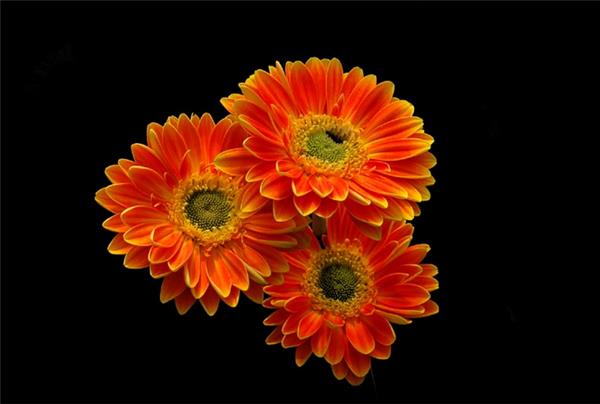
11. Gerbera (also known as African daisy)
It likes a warm, sunny and well-ventilated environment, is a semi-cold-tolerant flower, and prefers fertile, loose sandy loam rich in humus. This plant is not only good at absorbing formaldehyde, but also highly ornamental, and many varieties can even be used as cut flowers.
Friendly reminder: four precautions for using plants and flowers to purify the indoor environment
1. Avoid overly strong fragrance. Some flowers and plants have too strong a scent, which can make people uncomfortable or even cause adverse reactions. Examples include night-blooming jasmine, tulips and lantana.
2. Avoid allergies. Some flowers can cause allergic reactions in people. For example, Chinese rose, mock orange, lantana, hydrangea, geranium and redbud, when people touch or stroke them, often cause skin allergies, and even red rashes and unbearable itching.
3. Avoid toxicity. Some ornamental flowers and plants are toxic, and placement should be noted for narcissus, poinsettia, oleander, yellow azalea and yuanzhuanghong.
4. Avoid injury. For example, cactus-type plants have sharp spines, and families with children, or children's rooms, should try not to place them. In addition, for safety, plants in children's rooms should not be too tall, and flower pot stands with poor stability should not be chosen, so as to avoid harm to children.
When people touch or stroke them, they often cause skin allergies, and even red rashes and unbearable itching.3. Avoid toxicity. Some ornamental flowers and plants are toxic, and placement should be noted for narcissus, poinsettia, oleander, yellow azalea and yuanzhuanghong.
4. Avoid injury. For example, cactus-type plants have sharp spines, and families with children, or children's rooms, should try not to place them. In addition, for safety, plants in children's rooms should not be too tall, and flower pot stands with poor stability should not be chosen, so as to avoid harm to children.