The Complete Guide to Making and Caring for Water-Absorbing Stone Bonsai
As the saying goes, "A home without a room is inelegant." Since ancient times, people have been very fond of placing a few exquisite and elegantly antique bonsai in their homes, and water-absorbing stone bonsai is one of them. This bonsai, made by combining water-absorbing stone with other plants, is indeed very quaint and elegant, and is deeply loved by people. But bonsai need careful tending to become even more beautiful, so how do you care for water-absorbing stone, and how is this water-absorbing stone bonsai actually made? Below we will take a look at water-absorbing stone care and its bonsai making.
More home plant cultivation: Golden-Edged Serissa Cultivation Methods, Multi-Headed Houseleek Cultivation Methods, Potted Money Tree Cultivation Methods
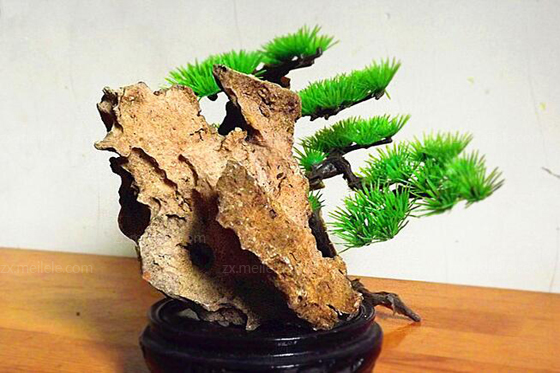
¤ How to Care for Water-Absorbing Stone
In daily life, water-absorbing stone bonsai are very numerous, because water-absorbing stone is combined with different plants to make bonsai, which means there are many points to note when caring for water-absorbing stone. So how should water-absorbing stone be cared for?
1. Plant Habits
Different plants have different living habits; this is the law of nature, so when caring for water-absorbing stone, we must first adopt different cultivation and care methods according to different plants. Usually water-absorbing stone is cultivated together with asparagus fern, golden-edged spider plant, saxifrage, copper coin grass and maidenhair fern, so during care it is necessary to follow the growth habits of these plants. Sun-loving plants should be given more sunlight and placed in a sunny, ventilated spot indoors; shade-loving plants should be protected from light; warmth-loving plants should be kept at a warm room temperature; cold-loving plants should be kept cool, and so on.
2. Watering and Changing Water
Water-absorbing stone bonsai is actually a kind of rock bonsai, and the water in it is very important, especially since water-absorbing stone is also a water-absorbing rock. During daily cultivation, it is essential to maintain a sufficient and clean water supply, change the water frequently, keep the water in the bonsai clean, and avoid water pollution. At the same time, it is also necessary to frequently spray clean water over the entire water-absorbing stone, both to moisten the water-absorbing stone and to provide sufficient water to the surrounding plants, avoiding the situation where plants wither.
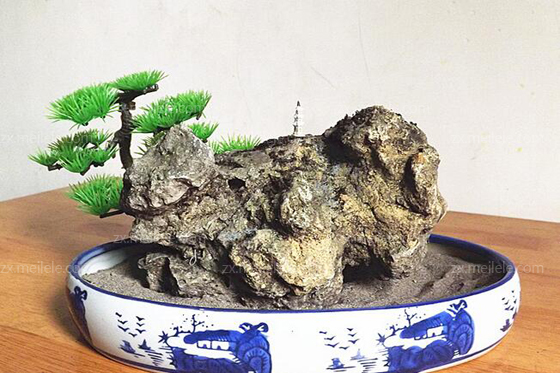
3. Proper Fertilization
Although many plants are grown on the water-absorbing stone, the soil on this rock is actually rather little; after all, as a rock bonsai, the soil has always been relatively scarce. This also means the bonsai plants do not get enough nutrients to grow and are prone to withering, so in daily cultivation it is necessary to fertilize frequently to provide plants with a sufficient nutrient supply. Usually, applying some thin liquid fertilizer is enough. When fertilizing, be careful to soak the water-absorbing stone thoroughly with the fertilizer water, then rinse it clean with clear water; the effect will be better.
¤ The Complete Guide to Making Water-Absorbing Stone Bonsai
Many people have actually made water-absorbing stone bonsai, but the final results are not very good, because everyone has not mastered the correct method for making water-absorbing stone bonsai. So what is this method?
1. Chiseling and Carving the Mountain Body: Observe and design the overall outline of the water-absorbing stone, think it over repeatedly, conceive and deliberate, then use the relevant knives to chisel and carve the outline of the water-absorbing stone mountain body, making the rock look more distinct in its rises and falls and richer in rhythm, so that the bonsai outline made afterward will be clearer and more attractive.
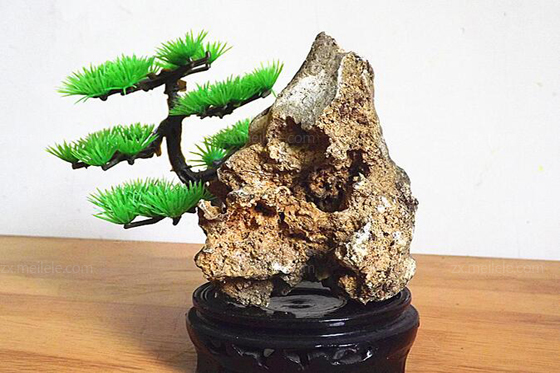
2. Cutting, Sawing and Bonding: A single piece of stone usually cannot be made into a bonsai, so in most cases many stones need to be pieced together. Saw and cut the stones, connect them, and then bond them, so that the rock mountain made comes out with the effect you envisioned.
3. Arranging Veins and Staggering: Each stone material is different. To achieve a unified effect, it is necessary to treat the veins on them by picking, hollowing, tapping and sawing, and then piece them together in a staggered arrangement, so that the stone veins have natural and consistent lines and the landscape is unified.
Summary: Water-absorbing stone bonsai are still quite common among people's home bonsai today. They are grand and quaint; placed indoors, they not only decorate the home but also add a touch of quaint cultural and artistic color to the entire home environment, making them very captivating.
(Note: This article is an original article; reproduction is prohibited without permission. Malicious reproduction will definitely be pursued legally. If you like it, please share it a lot.)
[You May Be Interested In]
☑ Four-Season Begonia ☑ Curtain Rod Installation ☑ Grape Hyacinth ☑ Three-in-One Floor Mat ☑ Old Clothes Makeover
☑ 3D Painting Wholesale ☑ Dianthus Flower Pictures ☑ Jacquard Four-Piece Bedding Set ☑ Ribbon Embroidery Wholesale ☑ PVC Floor Mat