-
-

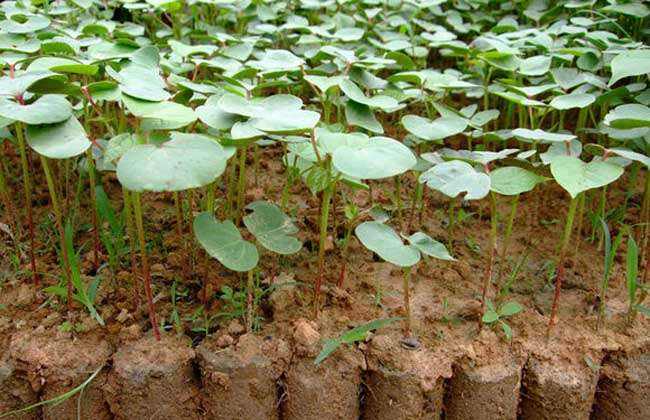
Soilless hydroponic vegetables landscape photography: Tuchong works appreciation
Photography: Yuanzhen Prince
-

How to prevent and control rice red blight? These 4 methods work fast
After good early growth, rice enters the reproductive growth stage of the middle and late periods. Strengthening field management at this stage has a great relationship with the yield and quality of rice. So, how can field management in the middle and late stages of rice growth be done well? 1. Timely field drying. Field drying should generally be carried out when rice is not sensitive to water reaction, that is, it is more suitable from the late tillering stage to the early young panicle differentiation stage. The following principles should be followed during operation: fields with sufficient and vigorous seedlings should be dried appropriately earlier; where the mud foot is deep and there is excessive growth, drying should be heavier, otherwise lighter; fields with poor water retention should not be dried heavily; saline-alkali paddy fields generally cannot be dried.
-
How to prevent rice field eel diseases in spring? Garlic and salt solution works well
After overwintering, rice field eels begin to become active in spring when the temperature rises. At this time, they are very susceptible to saprolegniasis, skin rot disease, bacterial septicemia and other diseases, which can lead to death. If a clarified solution made by soaking fresh garlic and high-quality salt at an 80-100 fold dilution is promptly splashed into the breeding pond, once every 3-5 days, for 2-3 consecutive applications, splashing 2-3 kg per square meter of breeding pond each time, evenly sprinkled on the water surface, the rice field eels will not be infected by the above diseases, and the breeding survival rate will be high.
-
New wheat bran works well as livestock feed after alkaline treatment
As soon as wheat is harvested and threshed, there is new wheat bran to feed livestock (cattle, horses, donkeys and mules). Many farmers are used to feeding new wheat bran directly to livestock, but this feeding method is actually not good. Because when livestock eat untreated new wheat bran, the oral mucosa is often punctured by the wheat awns and becomes inflamed. Therefore, when using new wheat bran to feed livestock, it must first be soaked in 0.3%-0.5% quicklime water for 4 hours to alkalize and soften the new wheat bran, and then rinsed with clean water before feeding. In this way, livestock not only avoid mouth punctures when eating it, but also digest it easily, gain calcium
-

-
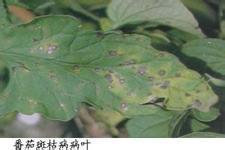
Early prevention and control of autumn tomato leaf spot disease works well
Leaf spot disease: In the early stage of the disease, spray with a 500-fold dilution of 70% mancozeb wettable powder, or a 500-fold dilution of 50% carbendazim wettable powder, once every 7 days, for 3~4 consecutive sprays.
-
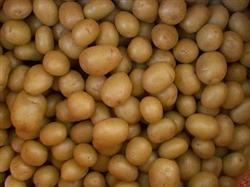
Small whole seed potatoes work well for planting
Planting autumn potatoes is currently an effective measure for drought resistance and loss compensation. Autumn potatoes are generally sown from mid-August to early September. Because seed potatoes produced in most of China's seed potato production areas are on the large side, cutting into pieces is commonly used for potato planting in order to reduce costs and save on seed quantity. But in recent years, using small...
-
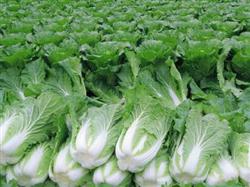
How to apply topdressing to napa cabbage? Fertilizing according to the growth stage works well
Napa cabbage has high yield and a large fertilizer demand. On the basis of applying sufficient base fertilizer, do not rush to apply topdressing. Topdressing should be determined according to different growth stages and seedling conditions. Generally, no topdressing is applied at the seedling stage. If the base fertilizer is insufficient, the first application can be made at the 3-4 true leaf stage, applying 10 kg of ammonium sulfate per mu, broadcast on both sides of the seedlings, and watered immediately, which is called...
-
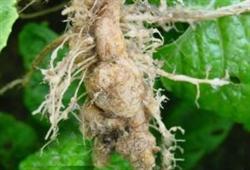
What medication works well to prevent and control clubroot in napa cabbage
Clubroot in napa cabbage refers to the formation of tumors of varying sizes and shapes on the roots of the cabbage; the tumors are smooth in the early stage and become cracked and rough later, and after cracking they are prone to infection by pathogens. Clubroot not only harms cabbage but also harms many crops in the cruciferous family. Clubroot can affect napa cabbage at the seedling stage, and in severe cases the plants die. This disease...
条件筛选