-
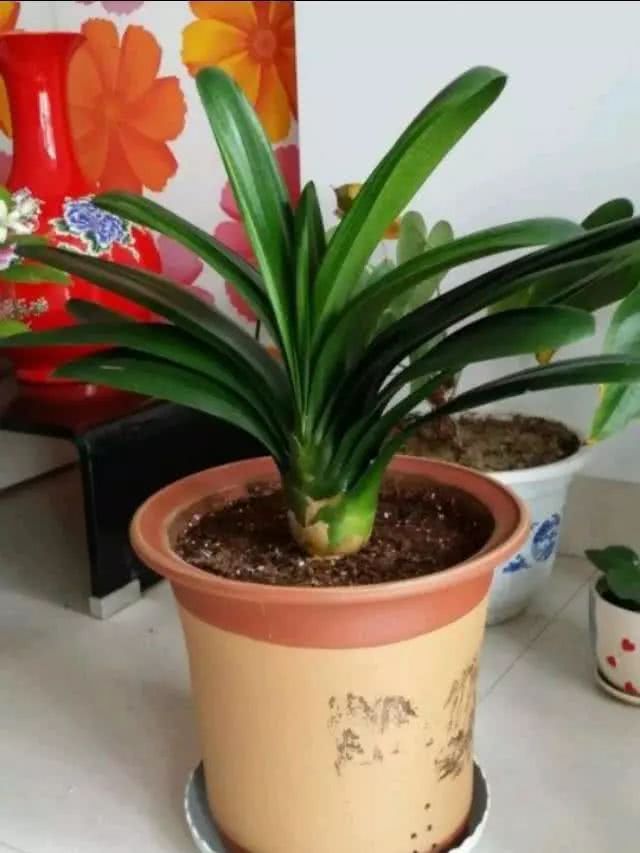
Is your Clivia growing slowly? Pay attention to these points when repotting in spring, and it will bloom with a pot full every year
Does Clivia need repotting every year? In fact, for Clivia plants that are regularly given liquid fertilizer during the growing season, in general they are repotted only once every two to three years. During these two to three years, the soil in the pot (the middle and lower portions) has basically rotted...
-
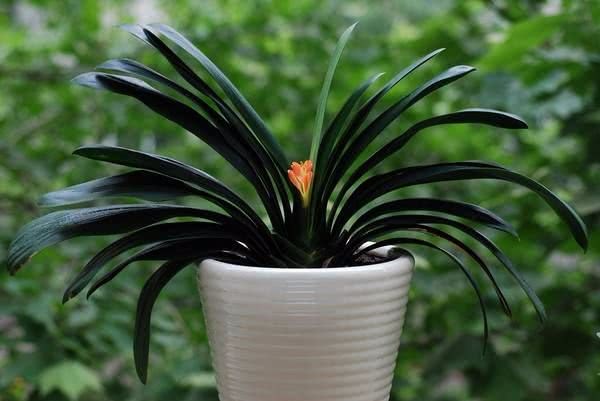
What to do when a clivia gets stuck while blooming? Just grab a piece of string and pull it apart
The most frustrating problem when a clivia blooms is that it can't come out, stuck in the middle, unable to shrink back and unable to grow out! A stuck flower scape on a clivia is no small problem. In mild cases it affects the clivia's growth, and in severe cases the flower stalk rots and the roots rot, then...
-

Add a little of something common in the kitchen when growing flowers, and the flowers will bloom in a pot-busting display
I believe many flower-growing friends have put in a lot of effort to make their home flowers and plants bloom more beautifully and better. But sometimes, despite great effort, the flowers still bloom sparsely. What to do? Don't worry, today the editor...
-

What to do when Kalanchoe leaves turn black? Teaching you the correct way to handle it
In fact, this kind of black leaf is closely related to black spot disease. Once the disease occurs, we can clean up the withered branches and leaves after autumn, and after pruning, place it in a spot with good light and ventilation. When new leaves grow out, we can use carbendazim or chlorothalonil solution to treat it, spraying once every seven to ten days; spraying three or four times can solve this symptom.
-
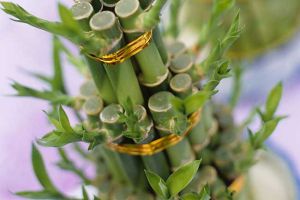
What to do when lucky bamboo leaves go soft? Causes and remedies
When this happens, there are mainly three reasons. First, there is a problem with the root system, mainly too much or too little water. The corresponding solution is naturally to adjust watering. Second, the sunlight may be too strong, and under it the leaves droop and look soft. In that case, the plant needs to be shaded appropriately, which may relieve it. The third is too little fertilizer, or not repotting for a long time. Then nutrients cannot reach the leaves, and they may go soft. Besides repotting on schedule, you also need to fertilize, generally "light fertilizer applied frequently".
-
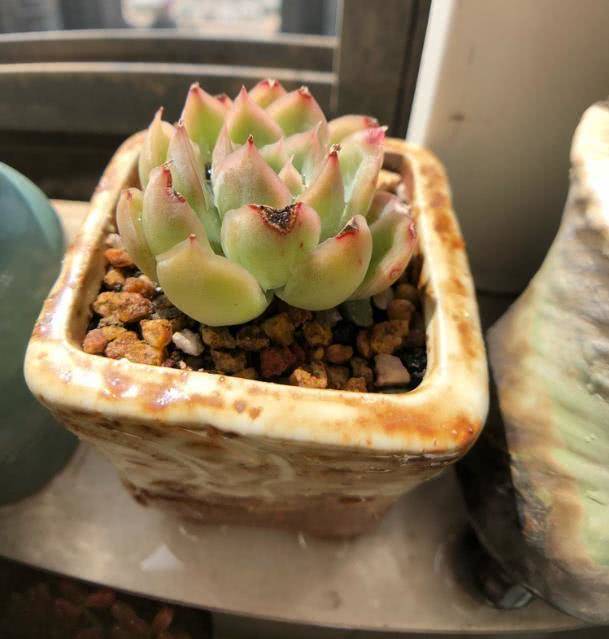
When these 3 situations occur with succulents, you must repot them quickly, otherwise they will be very hard to keep alive
If a succulent's leaves still appear dry and soft even after watering, then we can consider whether it needs repotting. Especially for succulents that are growing too vigorously, their rate of water transpiration is very fast. If the pot used for growing the succulent...
-
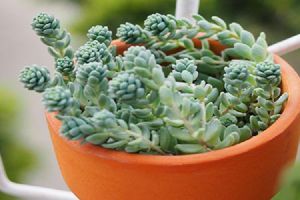
When Does the Jade Plant Bloom? A Detailed Guide to Its Flowering Period
In fact, this plant does bloom. As long as you care for it well, it will produce flowers in summer and autumn. The jade plant (Crassula ovata) is a wonderful plant for everyone, but many people who grow it discover that it does not bloom very often. Actually, it does flower; if it does not bloom, that only means your care may be lacking in some respects.
-
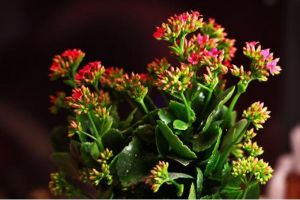
What to Do When a Kalanchoe Has Root Rot? Cause Analysis and Rescue Methods
After it develops root rot, here is what you can do. First, take it out of the pot and cut away the rotted tissue. Next, apply a disinfecting agent to the wounded areas. Then, prune away some useless or dry, yellowing branches and leaves. Finally, do cuttings, and after a few days just care for it normally.
-
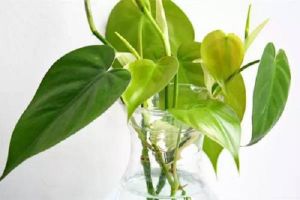
What to Do When Pothos Leaves Split? Causes and Solutions
While growing pothos, we may notice that its leaves have split, but we do not know the specific reason. Today we will explain this in detail. Generally, there are four causes, including normal metabolism, waterlogging, over-fertilizing, and root rot. For these four causes, we can respectively adopt four methods: gradual care, placing it in a windy spot to dry out, flushing away excess fertilizer, and trimming the roots and replanting.
-
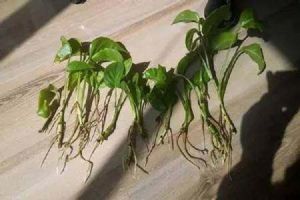
What to Do When Pothos Leaves Wilt? Find the Cause and Fix It in Time
Sometimes we notice that the plant we are growing looks lifeless, with all its leaves drooping. At times like this, what methods should we use to restore it to its former vibrant state? We need to pinpoint the cause and treat the problem accordingly. If it is caused by pests or disease, then kill the pests; if it is caused by improper watering or fertilizing, then adjust the way you water and fertilize; if the environment it is kept in does not suit it, then adjust it in time and give it good growing conditions.
条件筛选