-
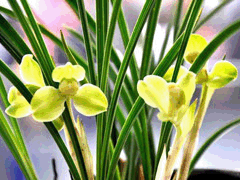
Orchids thrive when they get ground energy: how to create such an environment on a balcony
Those that get "ground energy" grow vigorously: creating a balcony environment
-
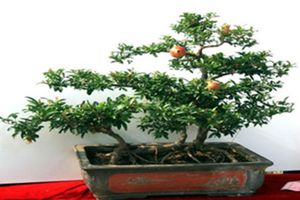
What to Do When Kumquat Tree Leaves Turn Yellow? Cause Analysis and Solutions
If the yellowing is a natural phenomenon, just pick off the leaves, there is no need to worry too much. If it is because the temperature is too low, it should be moved indoors. Soil in the pot that is too wet or too dry is both bad, so use breathable soil and water appropriately. If it is diseased, do not use medicine at too high a dose.
-
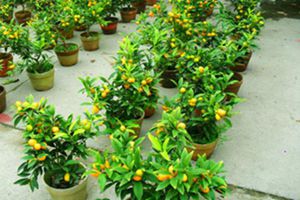
What to Do When a Kumquat Tree Drops Its Leaves? Cause Analysis and Solutions
This kind of leaf drop may be caused by insufficient nutrients; for example, when nitrogen is lacking, its leaves will fall. When caring for it, the owner should fertilize it appropriately. If tap water is used to water the tree, its iron content will decrease, which can also lead to leaf drop. When it suffers from pest damage, yellow spots will also appear on the leaves and they may even fall. At this point, we need to identify the cause accurately and promptly make changes to conditions that do not suit its growth.
-
When succulents bloom, cut off the flower stalks promptly, otherwise the whole plant can easily wither and die
Recently many plant lovers have exclaimed: my succulent is blooming! Then they start to worry: is it actually good for a succulent to bloom? Here, Huahua will talk about what's what when succulents bloom
-
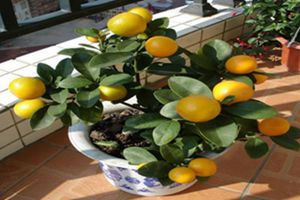
When Is the Best Time to Fertilize Kumquats? A Detailed Guide to the Correct Fertilization Timing
You can fertilize it in autumn, winter and spring. In winter, give it more fertilizer to lay the foundation for fruiting the following year. In spring, fertilize early so its branches grow stronger. During the fruiting period, use nitrogen fertilizer together with phosphorus and potassium fertilizer, so that both the fruit and the branch tips get nutrients.
-
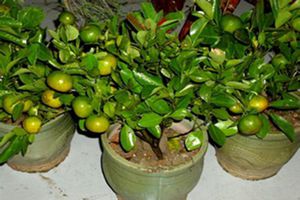
When is the best time to prune a kumquat? Master the best pruning time
This tree can be pruned in all seasons except winter, and different thinning methods should be adopted at each growth stage: during its growth period, the main task is trunk training; during the fruiting period, you should help it prune the crown; during the harvest period, cut its height to below 250 cm; during the aging period, you should cut it back.
-
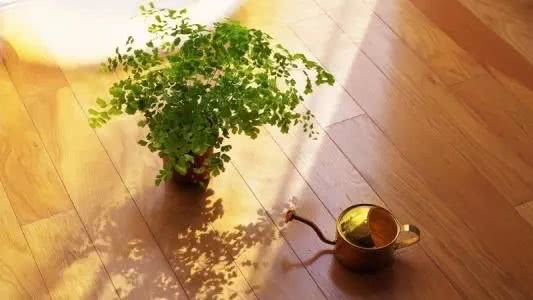
Keep these points in mind when growing plants indoors: they stay evergreen, don't attract pests, and don't get yellow leaves
The healthy growth of potted plants depends on correct care methods and techniques; it's not enough to just know how to water and fertilize. Many people like to keep a few plants at home, but when caring for them, be sure to pay attention to these points! 1. Propagation...
-
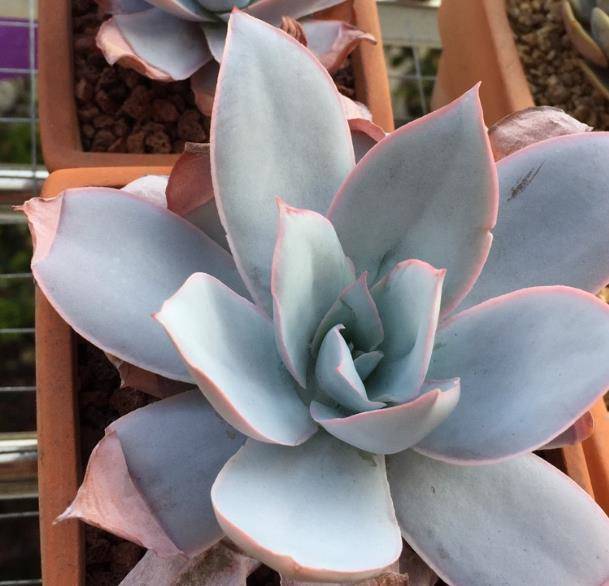
Always battling pests when growing flowers? Do these things well to effectively avoid pest infestations
Newly purchased flowers and plants should not be placed together with your other flowers at home before they have been thoroughly disinfected and inspected, to prevent pests from spreading to other plants. New plants should be isolated for a period of time and carefully observed, and only after confirming there are no problems...
-
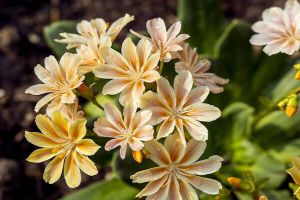
When Does Lewisia Bloom? A Detailed Guide to Its Flowering Period
The petals of Lewisia are mostly light pink, with delicate vein-like textures on the surface. Because the flowers are small and dainty, they are extremely endearing when in bloom, and the plant does not have a fixed number of flowering cycles. Grown at home, it lets you frequently enjoy the beauty of flowers interspersed with foliage, which is why it has become a top choice for many people's home plants. However, its exact blooming time is not fixed; it generally begins to bloom gradually around June and basically finishes by October.
-
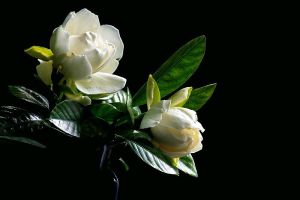
What to Do When Gardenia Leaves Develop Black Spots? Causes and Solutions
When this happens, the most likely cause is a disease problem, specifically "leaf spot disease." So, besides removing the diseased leaves, you also need to spray them with medicine. Another cause is poor air circulation combined with poor light, which allows some harmful bacteria to produce mildew. In that case, ventilation and plenty of light are essential. Yet another cause is too much water, with overly severe water accumulation, which can also lead to this situation. The corresponding fix is to regulate the amount of water and drain it promptly.
条件筛选