Keep these points in mind when growing plants indoors: they stay evergreen, don't attract pests, and don't get yellow leaves
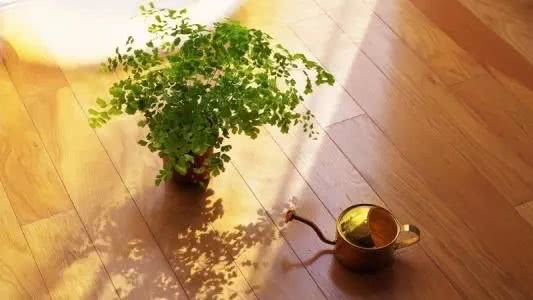
The healthy growth of potted plants depends on correct care methods and techniques; it's not enough to just know how to water and fertilize. Many people like to keep a few plants at home, but when caring for them, be sure to pay attention to these points!
1. Propagation
In fact, indoor plants are relatively easy to propagate. For example, common spider plants and pothos can simply have some of their stems and leaves cut off, inserted into soil, and placed in a shaded, ventilated spot. Keep the potting soil moist, and they will quickly take root and sprout.
2. Cleaning
Indoor dust tends to be fairly heavy. After a plant has been grown for a period of time, dust will accumulate on the leaves. At this point, use clean water or a soft-bristled brush to wash the leaves clean. Regular cleaning will also make the plant grow faster. If your plant hasn't grown for several years, it's time to check it~
3. Repotting
Indoor potted plants are generally repotted only once every 2~3 years. Repotting is usually done in spring, when the temperature is just right and recovery is quicker. When repotting, cut off old roots, rotten roots, and dead leaves, place the plant in a new pot, water it thoroughly, and just wait for it to recover. If you're not sure whether your potted plant needs repotting, you can check whether the roots have grown out. If there are relatively few roots, it doesn't need repotting.
4. Fertilizing
Indoor plants have little demand for fertilizer. The amount of fertilizer applied normally does not increase their growth rate. You can apply fertilizer once every 2~3 weeks during the growing season so they grow faster. For soil that already has base fertilizer mixed in, just ensure basic nutrients are available normally; too much fertilizer can also cause fertilizer burn.
5. Watering
When plants aren't grown well, it's often a watering problem. If you're not sure whether a plant needs watering, you can insert a small wooden stick into the potting soil. If the stick is wet when pulled out a few minutes later, there's no need to water; if it's dry, water immediately. Of course, watering also needs to be based on the plant's needs. Different plants have different requirements, and this point needs attention.
6. Pests and diseases
Improper care of indoor plants, poor ventilation, or overwatering can all cause pests and diseases. Be sure to control water promptly and pay attention to ventilation. In addition, fallen leaves left in the flowerpot for a long time can also lead to pests and diseases. If a plant is infected with mealybugs or scale insects, you can wipe the affected areas with alcohol, or spray common insecticides. If there are ants at home, clean them up promptly too, because ants are the keepers of aphids!
7. Pruning
Pruning is naturally done to make plants look better and more ornamental. If you see a branch segment on a plant that has grown relatively long and affects the overall appearance, you can pinch it off. After pinching it off, more branches will grow, so don't worry about pinching it bare. If you see diseased leaves and dead branches, clear them away too, otherwise they will accumulate and cause bacterial infection. Also, the stems you pinch off can be used for cuttings to propagate.