Always battling pests when growing flowers? Do these things well to effectively avoid pest infestations
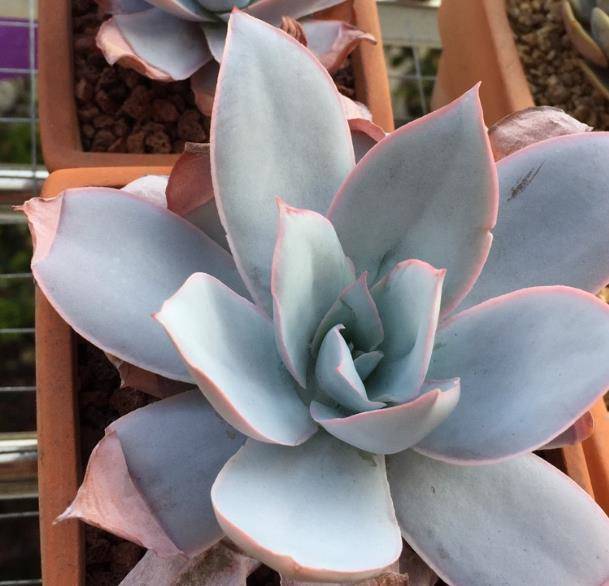
Newly purchased flowers and plants should not be placed together with your other flowers at home before they have been thoroughly disinfected and inspected, to prevent pests from spreading to other plants. New plants should be isolated for a period of time and carefully observed, and only after confirming there are no problems can they be put back. Dead leaves or rotted roots must be removed as early as possible to prevent pest problems.
The prevention and control of pests and diseases can be considered the top priority in the daily care of flowers. In this respect, you must achieve early prevention and control, nip problems in the bud, and promptly eliminate pests and diseases to ensure the continued survival of the flowers. General methods for preventing and controlling flower pests and diseases: maintain the environmental hygiene of the flower growing area to reduce damage. Protect the plants; do not let them crack or become damaged, and guard against the invasion of pathogens. Strengthen daily management, keep water and fertilizer appropriate, air circulation good, temperature suitable, and light moderate, so that the plants grow vigorously and the breeding and spread of pests and diseases are controlled.
Whether repotting or pruning flowers and plants, pay attention to regularly disinfecting the soil, tools, and so on, to avoid flower infections caused by a lack of disinfection, which can then become an opportunity for pest invasion. When applying fertilizer, be careful not to apply organic fertilizer that is not fully decomposed, especially eggshells that still contain egg white or freshly peeled fruit skins, as these easily attract all kinds of insects and cause unnecessary pest infestations for the flowers.
For succulents, the common pests are fungus gnats and scale insects. There are many ways to kill fungus gnats, and the following methods have all been proven effective through the experience of flower enthusiasts. Sticky trap method: this is a symptomatic treatment method, that is, buy a few yellow sticky traps and hang them near the potted plants. It does have an effect, but it does not kill them very thoroughly. Spraying method: this method not only treats the symptoms but can also root out the problem. However, quite a few flower enthusiasts are rather resistant to this method; after all, using chemicals on a balcony is more or less unpleasant. There are many pesticides to choose from, and two are mainly recommended here.
If there are very few fungus gnats, controlling the moisture of the potting soil and keeping things ventilated and dry can basically keep fungus gnats under control. But if they have become widespread, then it is best to use pesticides. Although it is inconvenient on a balcony, we can move the flowers outdoors to apply the pesticide and then move them back indoors. So far, using pesticides is the most reliable means of killing fungus gnats. Although changing the soil can also work, the project is a bit large, and repotting requires a certain recovery time for the plants.
Here are a few more methods for preventing and controlling pests. Mash tomatoes with water, strain out the residue to take the juice, mix 3 parts of the original juice with 2 parts water evenly, then add a small amount of laundry detergent and spray it on the plants; this can effectively prevent and control spider mites. Soak orange peel in 10 times its amount of water for 24 hours, and use the liquid to spray rose and Chinese rose plants; this can effectively prevent and control aphid damage. Often placing orange peel on the surface of the potting soil of Chinese roses and roses can prevent ants.
This is a gathering place for succulent plant lovers, sharing succulent care tips. You are welcome to follow and exchange ideas.