-
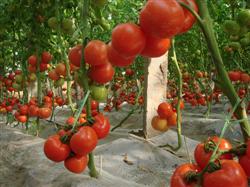
Which fertilizers should not be used for growing vegetables?
Which fertilizers should not be used for growing vegetables? Here is an introduction to the fertilizers that should not be applied when growing vegetables, for reference: Ammonium nitrate and other nitrate nitrogen fertilizers generally should not be applied to vegetables. After nitrate nitrogen fertilizers are applied to vegetable fields, they can multiply the nitrate content in vegetables. Nitrate is easily reduced to nitrite in the human body...
-
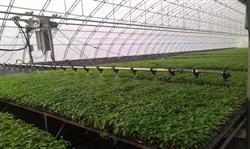
How should fungicides be used to improve their efficacy?
How can fungicides be used to improve their efficacy? Please introduce the methods. To improve the efficacy of fungicides, you can refer to the following suggestions: Mix the concentration properly. Different fungicides have specific requirements for their use concentration. When mixing the concentration, you must strictly follow the "instruction manual" and must not increase or decrease it at will. ...
-
How should fungicides be applied to improve their efficacy?
What methods can improve the efficacy of fungicide application? Please provide guidance. Fungicide application can refer to the following methods: Reasonably configure the concentration. Different fungicides have special requirements for their use concentration. When configuring the concentration, you must strictly follow the "instruction manual"; do not arbitrarily increase or decrease it. Select the correct spraying...
-
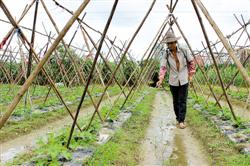
What precautions should be taken when using glyphosate?
What should be noted when applying glyphosate? Please provide guidance. When applying glyphosate, note the following: 1. Glyphosate is a non-selective herbicide; when spraying, never let it contaminate crops, to avoid herbicide damage. 2. For perennial vicious weeds such as cogon grass (Imperata cylindrica) and purple nutsedge (Cyperus rotundus), apply a second dose 1 month after the first application to...
-
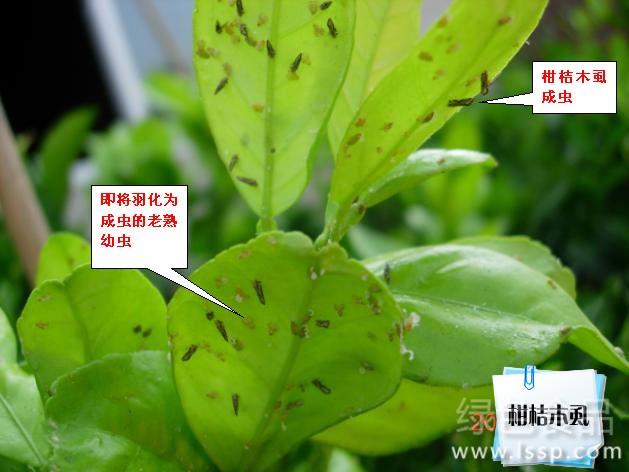
The Asian citrus psyllid is the only vector of citrus greening disease (Huanglongbing); how should it be controlled?
The psyllid is the only vector of citrus greening disease: how to control the psyllid on citrus
-
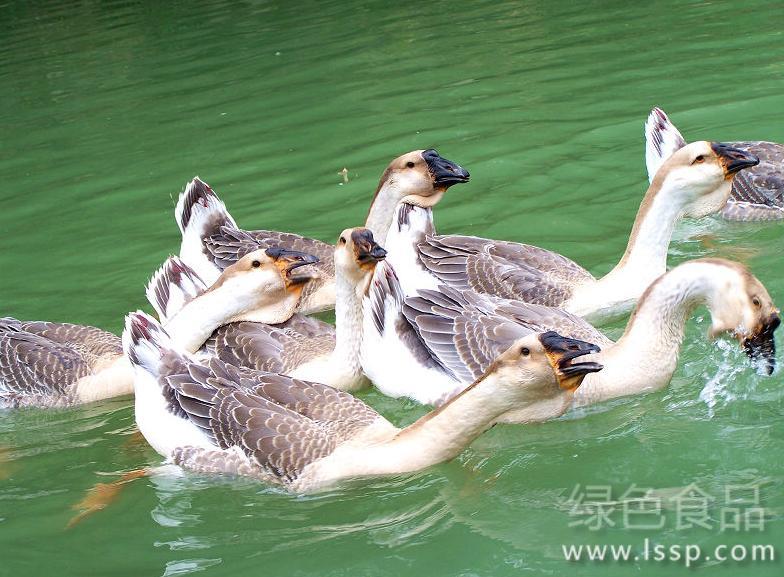
Summer is a time of high incidence for poultry diseases, how should geese flocks be managed?
Summer is a period of high incidence for poultry diseases; how to manage geese flocks well
-
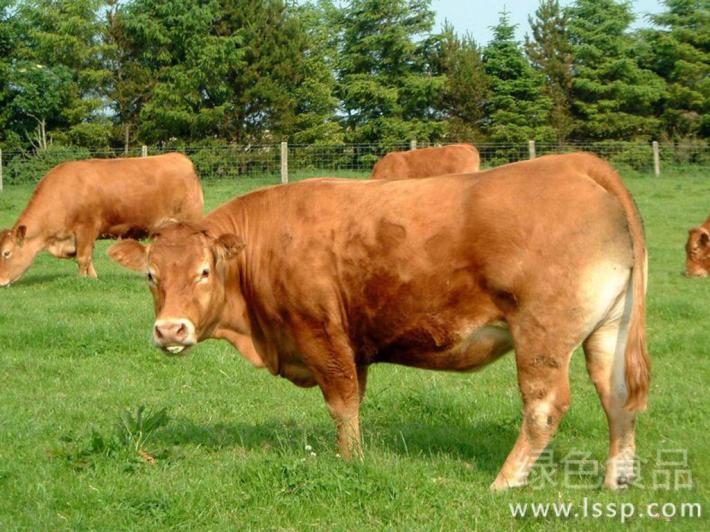
How should beef cattle be managed during fattening to gain weight quickly and produce good quality?
To make beef cattle gain weight quickly and produce good quality, how should fattening beef cattle be managed well?
-
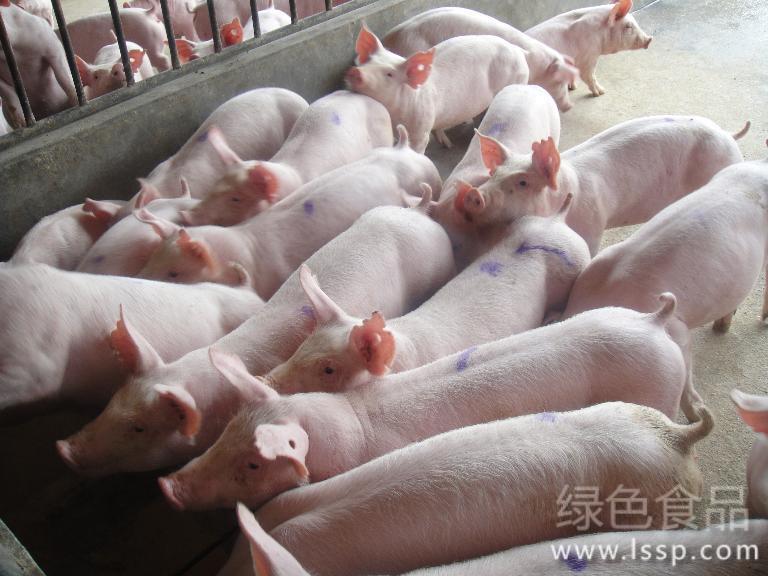
Swine fever, commonly known as "rotten intestine fever," is widely distributed and highly harmful; how should it be prevented and controlled?
Swine fever is widely distributed and highly harmful; how to prevent and control swine rotten intestine fever
-
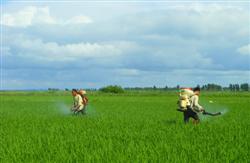
What should be noted when applying foliar fertilizer to crops?
What should be noted when applying foliar fertilizer to crops? Please advise. Note the following ten points when applying foliar fertilizer to crops: 1. Foliar fertilization has the advantages of a small dosage, strong targeting, rapid absorption, obvious effects and low cost, and is especially effective for crops with few roots. The author now summarizes the ten key points of crop foliar fertilization from practical application...
-
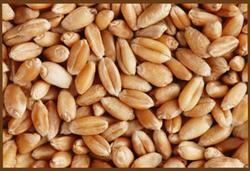
How much chlorpyrifos and phoxim should be used to dress wheat seed?
How much chlorpyrifos and phoxim is suitable for dressing wheat seed? Please advise: 40% phoxim emulsifiable concentrate is registered for wheat seed dressing to control soil-dwelling pests, using 180-240 ml of the formulation per 100 hectares of seed, diluted with water and sprayed onto the wheat seed while mixing. For dressing seed with chlorpyrifos to control soil-dwelling pests in wheat, use 200 ml of 48% chlorpyrifos emulsifiable concentrate per 100 kg of wheat seed...
条件筛选