Swine fever, commonly known as "rotten intestine fever," is widely distributed and highly harmful; how should it be prevented and controlled?
Swine fever, commonly known as "rotten intestine fever," is one of the infectious diseases that seriously harm the pig farming industry. The swine fever virus is an RNA virus belonging to the genus Pestivirus in the family Flaviviridae. Swine fever is an acute, febrile, highly pathogenic infectious disease caused by an RNA virus, with wide distribution and severe harm. Swine fever spreads rapidly, with high morbidity and high mortality. Pigs are the only host of swine fever. The main source of infection for this disease is diseased pigs and virus-carrying animals; direct contact between susceptible pigs and diseased pigs is the main way the virus spreads. The virus is often carried out of the body with the feces and urine of diseased pigs, and secretions from the mouth, nose, and eyes, contaminating pens, feed, drinking water, and equipment.
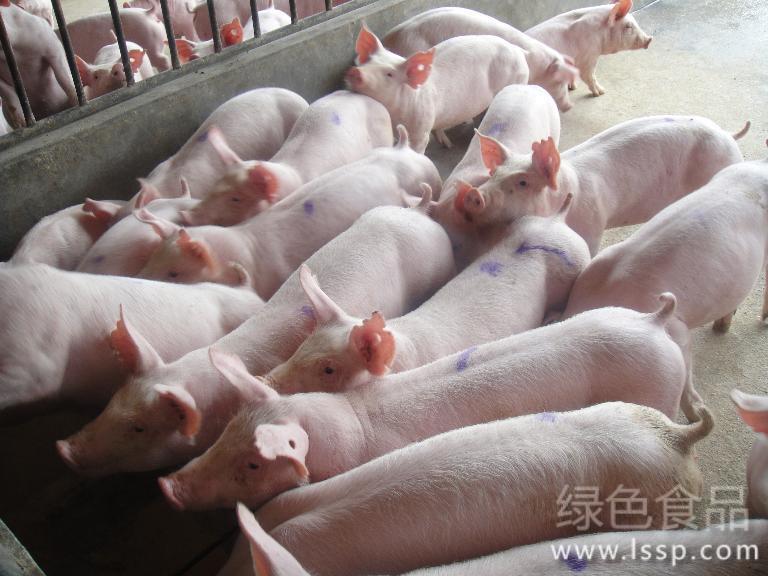
Pig
When swine fever first infects a susceptible herd, it breaks out acutely. Subsequently, subacute and a small number of chronic cases gradually appear. In the later stage of swine fever, secondary infection with Salmonella choleraesuis and Pasteurella multocida often occurs, complicated by paratyphoid and swine pasteurellosis.
Diseased pigs have elevated body temperature, rapid breathing, and lethargy. Visible signs include: numerous patchy hemorrhagic spots on the skin at the base of the ears, the outer thighs, the underside of the abdomen, and the buttocks, appearing purplish-red.
There is no specific drug for swine fever. For herds that have not yet developed the disease, emergency inoculation with anti-swine fever serum should be given to protect the pigs. Pigs that have already developed the disease should be isolated and culled.
Prevention of swine fever:
(1) Isolation of diseased pigs: Diseased pigs, sick pigs, and pigs without clinical symptoms should be raised separately to reduce the spread of pathogens.
(2) Strengthen disinfection: Pig houses need comprehensive and thorough disinfection, and it is best to alternate the use of different disinfectants.
(3) Strengthen feeding management: Give pigs nutritious and easily digestible feed, and do good health care work.
(4) Insist on self-breeding and self-raising: Strictly control the source of infection, purify the pig farm, and when introducing breeding stock, strictly prevent the introduction of the virus.
(5) Formulate an immunization program: The immunization program should be formulated according to the pig farm's own circumstances, injection conditions, and maternal antibodies.