-
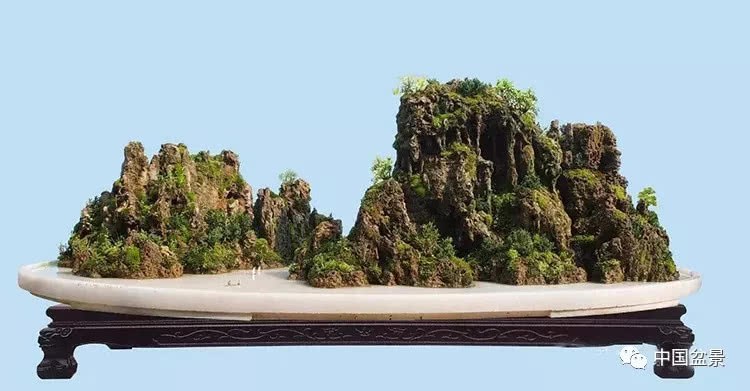
Bonsai creation should emphasize realism and spiritual resonance, learning from nature.
Han Qi Landscape Bonsai - Lishan Spring Dawn ...
-
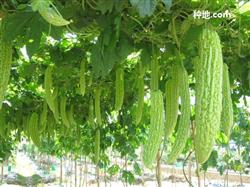
What should be noted when cultivating bitter melon?
What should be noted when cultivating bitter melon? Please advise. Bitter melon is a short-day plant that likes warmth, light, heat and moisture, and does not tolerate shade. It is not strict about day length, and longer light periods favor its good growth. It has high requirements for soil moisture and air humidity, but does not tolerate waterlogging; it has wide adaptability and can be cultivated in many soils in both northern and southern China...
-
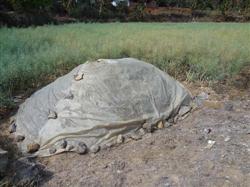
Why should chemical fertilizers and organic fertilizers be applied in combination?
Uncomposted organic fertilizer carries a large number of pathogenic microorganisms and parasitic roundworm eggs. After being applied to farmland, some of them attach to crops and cause direct contamination, while some enter the soil and cause indirect contamination. In addition, after uncomposted organic fertilizer is applied to the soil, it must undergo fermentation before it can be absorbed and used by crops,...
-
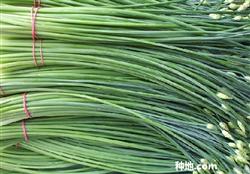
What precautions should be taken when growing chive flowers?
How should chive flowers be cultivated? What should be noted when cultivating chives? When cultivating chive flowers, note the following: (1) Strengthen fertilizer and water management: chive flowers enter their peak production period from May to October of the second year of planting. To meet the nutrient needs of continuously harvesting flower stems, apply imported potassium sulfate compound fertilizer per mu every week...
-
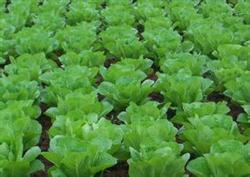
What precautions should be taken when mixing foliar fertilizers with pesticides?
1. Choose foliar fertilizers suited to the vegetable variety. For vegetables harvested mainly for their leaf heads, leaf rosettes, or young tender stems and leaves, choose foliar fertilizers rich in nitrogen; for vegetables harvested mainly for their fleshy roots and tubers, such as radishes and potatoes, choose foliar fertilizers rich in potassium. For those harvested for their fruits, pods, or beans...
-
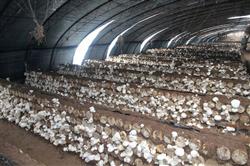
What should be noted when growing White Lingzhi mushrooms (Pleurotus nebrodensis) in soil-covered ground beds?
The White Lingzhi mushroom (Pleurotus nebrodensis) is a culinary mushroom variety with relatively low yields; generally, three-dimensional wall-style cultivation can achieve a biological conversion rate of 30-40%. To increase the yield of White Lingzhi mushrooms, a soil-covered ground bed cultivation model can be adopted; with proper management, this method produces very high yields. According to the author's extensive trials, the biological conversion rate of ground-bed-cultivated White Lingzhi mushrooms can reach 80-100...
-
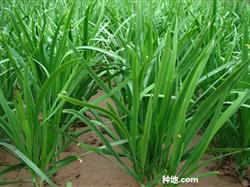
What should be noted when transplanting garlic chives?
How should a garlic chive field be managed? Please advise. After garlic chives turn green again, the withered leaves and weeds on the above-ground part should be cleared away early, the bed surface leveled, and the bed ridges tidied, so that the base of the plants can better receive sunlight, raise the soil temperature, and promote sprouting. When the soil thaws and new shoots emerge, a topdressing of diluted manure water can be applied once to promote new tender shoots. After 3 to 4 days, cultivate and loosen the soil once...
-
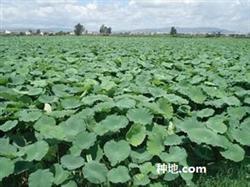
How should lotus root be managed after planting?
How should lotus root be managed after planting? Is there an introduction? Main management points for lotus root in the middle and late stages: 1. Weeding, removing leaves, and removing flowers. Before the lotus leaves close the rows, weed together with fertilizing, pull up the weeds and immediately tuck them into the mud under the lotus root heads as fertilizer. About 1 month after planting, the floating leaves gradually wither and should be removed promptly...
-
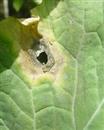
What three things should be noted in spring management of dryland rapeseed?
Sclerotinia rot of rapeseed is a major disease harming rapeseed, and its control must be taken seriously to reduce the damage and minimize losses. Symptoms: when the disease occurs, the lesions on rapeseed leaves are round or irregular, grayish brown or yellow-brown in the center, dark bluish in the middle, with a yellow halo on the outer edge. When dry, the lesions rupture and perforate; under humid conditions...
-
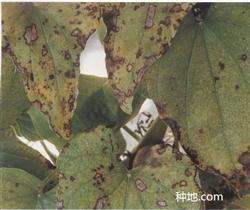
What causes yam plant death, and how should it be prevented and controlled?
Yam plant death has now been found to be very serious. What causes yam plant death and how should it be treated? The main causes of severe yam plant death are fusarium wilt, anthracnose and brown rot. These three diseases are mainly spread through rainwater and irrigation, and the current period of high temperatures and frequent rain also creates conditions for the occurrence of these three diseases....
条件筛选