-
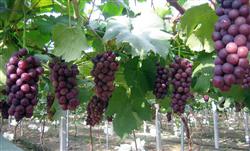
Grape Growing Techniques: How Should You Fertilize to Make Grapes Sweeter?
How should you fertilize to make grapes sweeter? Please explain the fertilization methods. To make grapes sweeter, you can refer to the following fertilization methods: 1. Focus on base fertilizer. Around October, that is, late autumn, is the best time to apply base fertilizer to grapes. When applying base fertilizer, pay attention to applying organic fertilizer together with microbial bacterial fertilizer, applying 4000 jin to 5000 jin of decomposed organic fertilizer per mu, and 2 to 3 kg of Jinbaobei microbial bacterial fertilizer; in addition, do not neglect the combination of chemical fertilizers (mainly nitrogen and phosphorus fertilizers), applying 15 to 20 kg of urea or 30 to 40 kg of ammonium sulfate per mu. The base fertilizer should be buried into the soil together with deep plowing. This fertilization method of organic fertilizer plus microbial bacterial fertilizer plus chemical fertilizer not only provides quick-acting nutrients to the grapes, but also improves the soil micro-ecological environment and plays a role in improving the soil. Reason: The beneficial microorganisms in Jinbaobei microbial bacterial fertilizer, through the secondary metabolites produced by their own life activities, activate the soil, increase the number of soil aggregates, enrich the soil, increase the absorption rate of grape roots, and make full preparations for the flowering and fruiting of grapes.
-
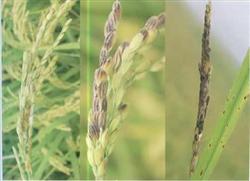
Why does rice produce empty and blighted grains, and how should it be prevented and controlled?
Why does rice produce empty and blighted grains, and how should it be prevented and controlled? Please give a detailed introduction. Under normal conditions, the rate of empty and blighted rice grains is generally 10%-20%, and in severe cases can reach 40%, which greatly affects rice yield. 1. Causes of formation. The rate of empty and blighted rice grains is mainly affected by 3 factors. 1. Climatic...
-
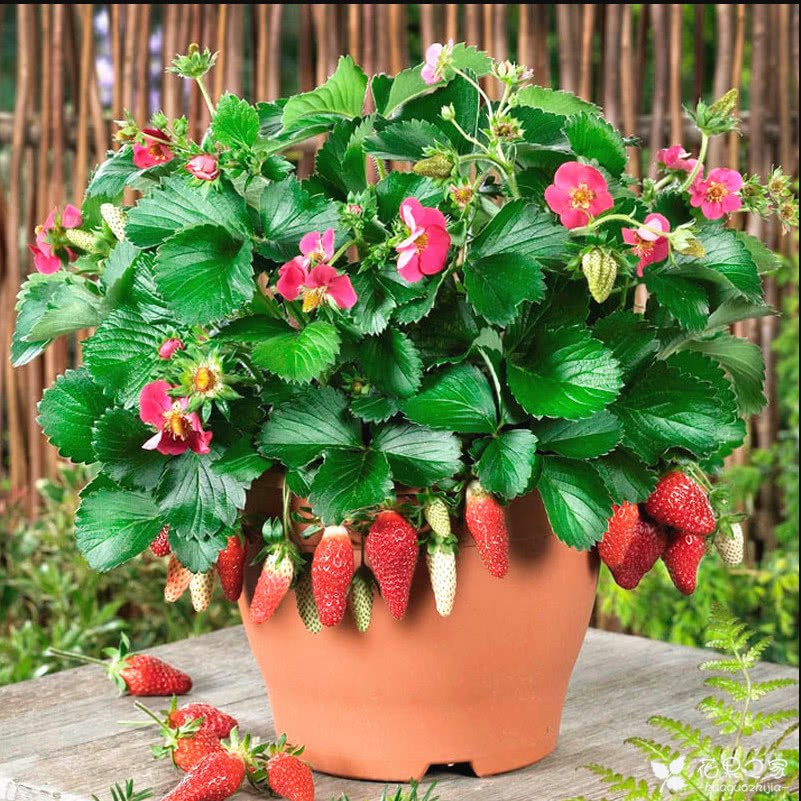
How often should you water strawberries? Four-season watering methods and amounts for potted strawberries
When growing potted strawberries, we all have this question: how often should potted strawberries be watered, and how much water at a time? Because we do not understand the growth habits of potted strawberries, they often die from too much or too little watering...
-
How should calcium magnesium phosphate fertilizer be applied for the best results?
How should calcium magnesium phosphate fertilizer be applied for good results? Please advise. The main production areas of calcium magnesium phosphate fertilizer are in China. Because its raw materials are widely available and its production process is simple, it has developed rapidly in recent years in the phosphate mining areas of southern China. The fertilizer looks like a grayish-white, blackish-green or brown glassy fine powder, and its composition is fairly complex, mainly Ca3(PO...
-
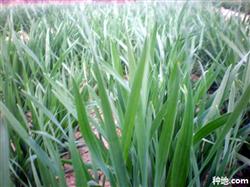
How should phosphate fertilizer be applied during wheat cultivation?
How should phosphate fertilizer be applied when growing wheat? Please advise: in wheat production, some places either emphasize nitrogen and neglect phosphorus, or apply phosphorus the wrong way, which reduces the yield increase. Scientific phosphorus application in wheat should pay attention to the following points: 1. Look at the soil organic matter content. In soil with organic matter content below 1.5%, the yield-increasing effect of phosphorus application is...
-
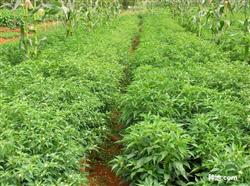
What should be noted when applying urea?
How should phosphorus fertilizer be applied rationally when growing chili peppers? Please advise: during the growth and development period of chili peppers, apply phosphorus and potassium fertilizer once a month at the roots, each time applying 40-50 kg of superphosphate or calcium magnesium phosphate fertilizer per mu, and 15-20 kg of potassium chloride or potassium sulfate. After thoroughly stirring and mixing the phosphorus and potassium fertilizers evenly, broadcast them around the roots of the chili pepper plants...
-
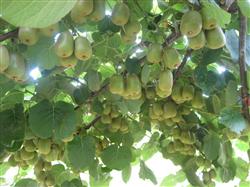
What should you pay attention to for kiwifruit in summer? Key points of cultivation techniques
What should you pay attention to for kiwifruit in summer? Please note that kiwifruit in summer should be protected against the following: Preventing wilting. During the high-temperature period in summer, kiwifruit leaves wilt, mainly for two reasons: first, high temperature and drought, mostly occurring from 12 noon to 4 pm on sunny days. They recover in the morning and evening, and it usually occurs over a large area. When this happens...
-
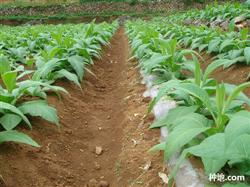
What situations should be prevented during tobacco cultivation?
What situations should be prevented when growing tobacco? Premature flowering is the phenomenon where the tobacco plant flowers early before reaching the height and leaf count normal for the variety. The root cause of premature flowering is that the tobacco plant's growth is hindered while its development proceeds too quickly. Factors that lead to premature flowering include climatic drought, especially water shortage during the rapid growth period; transplanting too early, prolonged low temperatures or seedlings being too old...
-
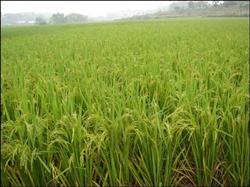
How should pests and diseases be controlled in the late growth stage of rice?
How should pests and diseases in the late stage of rice be controlled? Please provide guidance methods. Pests and diseases cause serious damage in the late stage of rice. The control methods can refer to the following: 1. Sheath blight: The disease has recently been rising faster. In a general survey of each town on September 10, the average rate of diseased hills was 13.7%, and the rate of diseased plants was 3.3%. The disease situation has clearly accelerated compared with the previous period...
-
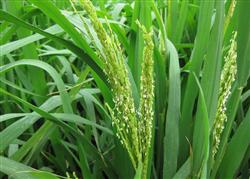
How should water be managed during the heading and grain-filling stage of rice?
How should water be managed during the heading and grain-filling stage of rice? Please explain. Mid-to-late July is when rice enters the heading and grain-filling stage, and scientific water management is quite critical for increasing rice yield and achieving high yields. For reference, see below: 1. The heading and flowering stage is a period when rice is relatively sensitive to water, second only to the late booting stage in sensitivity...
条件筛选