A Detailed Guide to Rosemary Pest and Disease Control
1. Diseases.
The common diseases of rosemary are root rot, gray mold, etc.
Control methods: Rosemary diseases occur mainly because the air environment is too humid. Once disease is found, move the plant outdoors promptly to a ventilated, cool place.
2. Pests.
The main pests of rosemary are red spider mites and whiteflies.
Control methods: Strengthen management, with prevention as the priority, ensure reasonable watering and ambient temperature, and manage promptly. Once pests are found, handpick them and spray a medicinal mist to kill the insects.
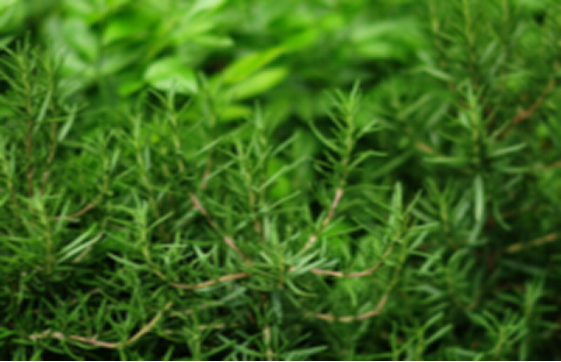
The above is an introduction to rosemary cultivation methods, as well as common problems and solutions for growing rosemary at home. For more plant knowledge, please follow Four Seasons Plant Network.
How do you grow rosemary?
1. Light and temperature.
Rosemary likes a warm and suitable environment. In the south it can be grown year-round, while in the north it is mostly grown in pots, which makes it easier to move indoors for warmth in winter. Rosemary likes sunlight and needs no less than 8 hours of sunlight per day; in summer, when temperatures are high, it can be shaded appropriately.
2. Soil.
Rosemary grows well in slightly alkaline soil. When cultivating it, you can add some quicklime to acidic soil to make the soil suitable for rosemary growth, and the stronger the soil alkalinity, the stronger the rosemary's fragrance.
3. Watering.
Rosemary is fairly drought-tolerant. When watering, water when the soil is dry; generally water once every two days, watering thoroughly each time. In winter, reduce watering to enhance cold resistance and prevent freezing.
4. Fertilizing.
Rosemary has low fertilizer requirements and is fairly tolerant of poor soil; generally, herb plants do not need fertilizing. During the growing season, nitrogen and phosphorus fertilizer can be applied in appropriate amounts as needed to promote growth.
5. Pruning.
To maintain the shape of a potted plant, rosemary can be pruned three months after it survives planting. Generally, prune overly dense and overly long branches, and prune dead and diseased branches promptly; this ensures ventilation and air circulation and lets the plant grow healthily.
The above is an introduction to rosemary cultivation methods. Next, the editor will explain home care for rosemary pest and disease control.
Cleverly Using Plant Antagonism to Control Flower Pests and Diseases
No spraying pesticides? Ecological growing? Organic vegetables? Use plant antagonism to cleverly treat pests and diseases, so what you plant together with what plant is the most important!
The strong smell of garlic keeps pests from coming near, and it is especially useful for controlling aphids; it is also effective against bark beetles that eat rose bark.
Sage can prevent cabbage white butterflies from laying eggs on plants and can also make carrots taste better. It can repel harmful flying insects.
Basil can protect tomatoes from pest damage, promote growth, and improve flavor. It can also control whiteflies, flies, aphids, etc.
Chives can promote the growth of legume plants and make them taste better. They can also prevent melons and roses from getting diseases and repel pests.
Rosemary has the effect of enhancing the flavor of beans and can also control cabbage white butterflies and cutworms. It also has an antibacterial effect.
Strawberries and cruciferous plants and legumes are mutually beneficial, and strawberries have the effect of protecting them from cabbage white butterflies and cutworms.
Because pests and wild birds dislike the scent of lavender, it has the effect of protecting plants and is also effective against nematodes.
The secretions of marigold can repel nematodes that cause root rot and prevent them from harming crops. It is also effective against whiteflies.
Also, be sure to remember~ Are there unlucky combinations that hinder growth? Of course!
1. Alliums NO!! Cabbage, legumes
2. Fennel NO!! Tomato, legumes
3. Raspberry NO!! Potato, blackberry
4. Rosemary NO!! Potato, strawberry
5. Strawberry NO!!! Cabbage, thyme, mint, rosemary